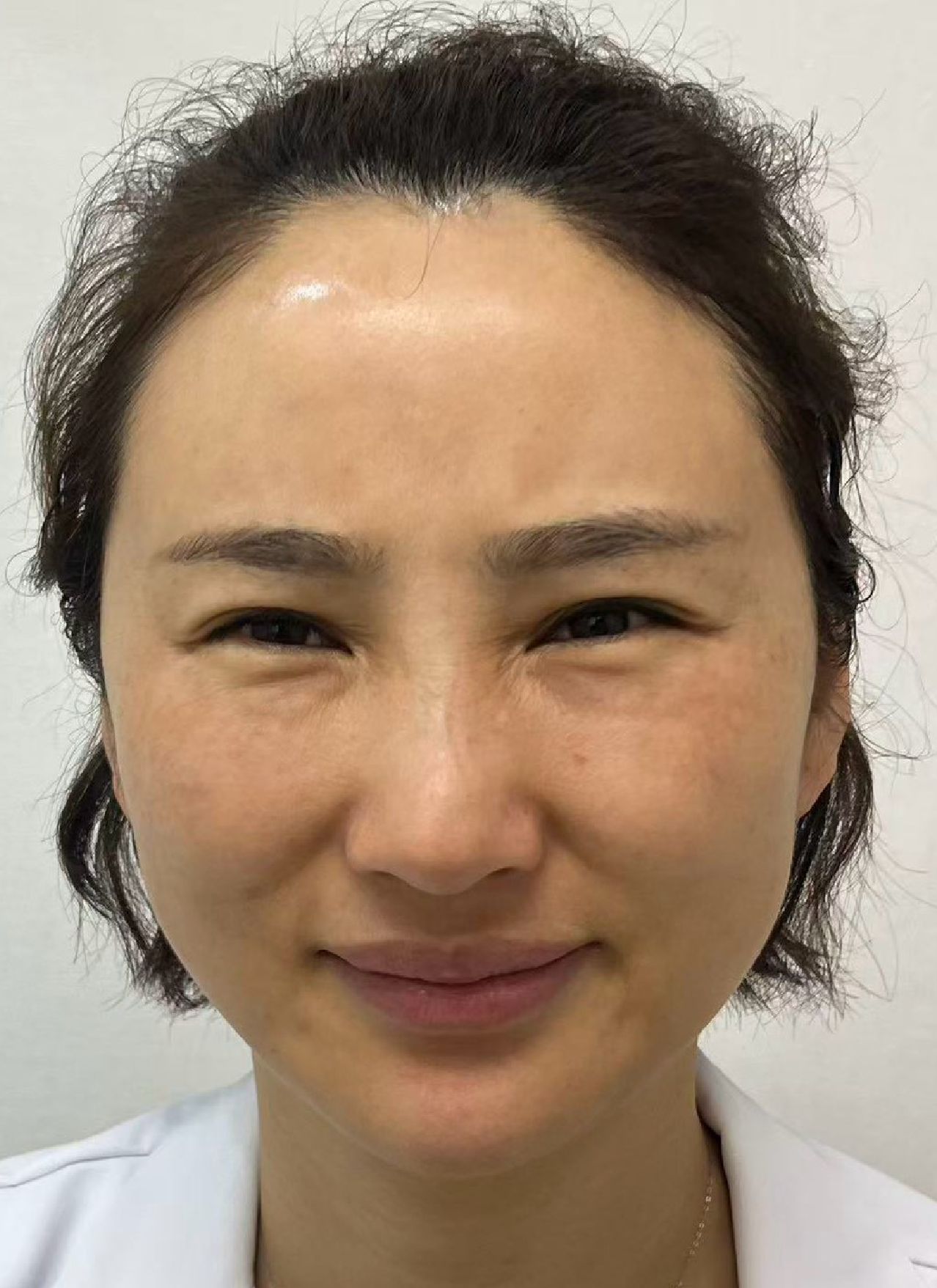
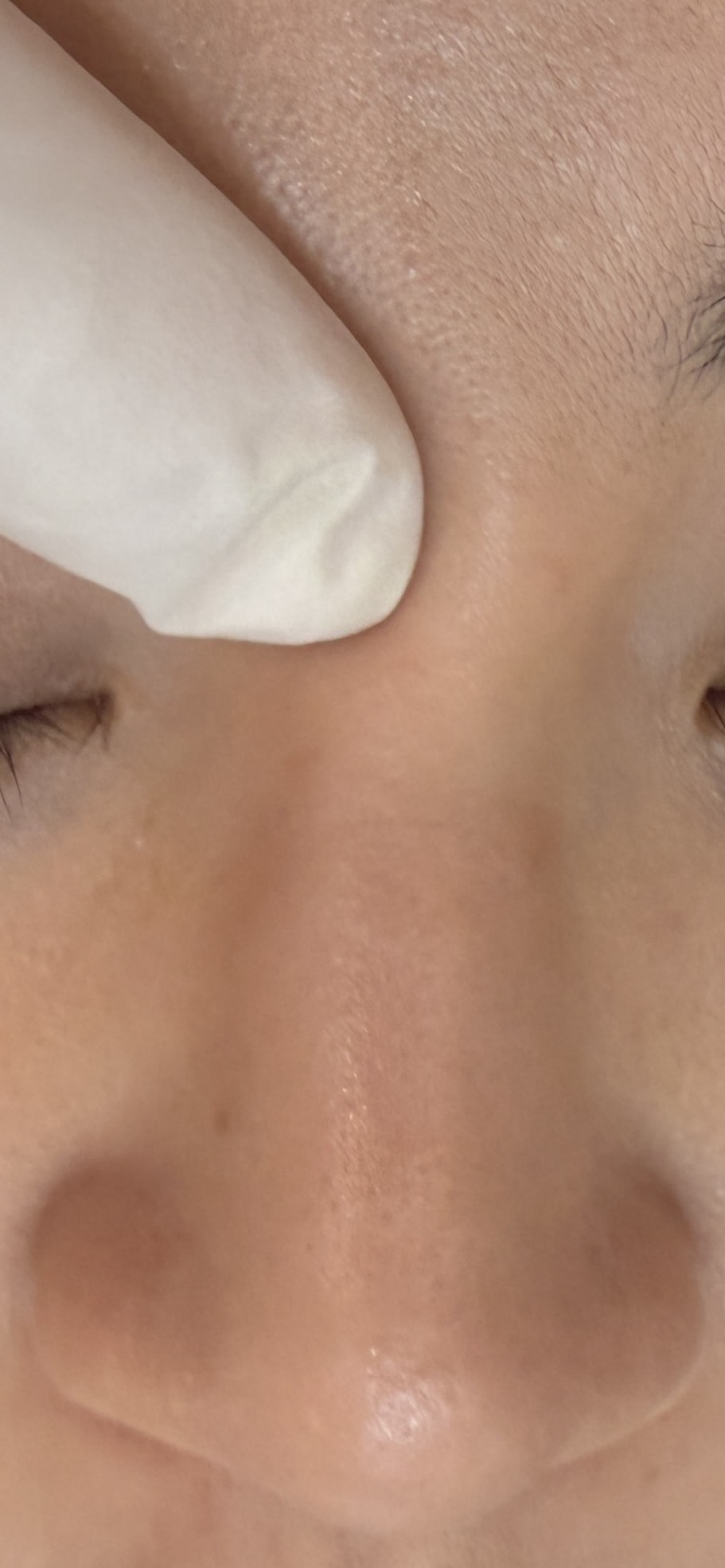
When a Beauty Treatment Becomes a Recurring Nightmare
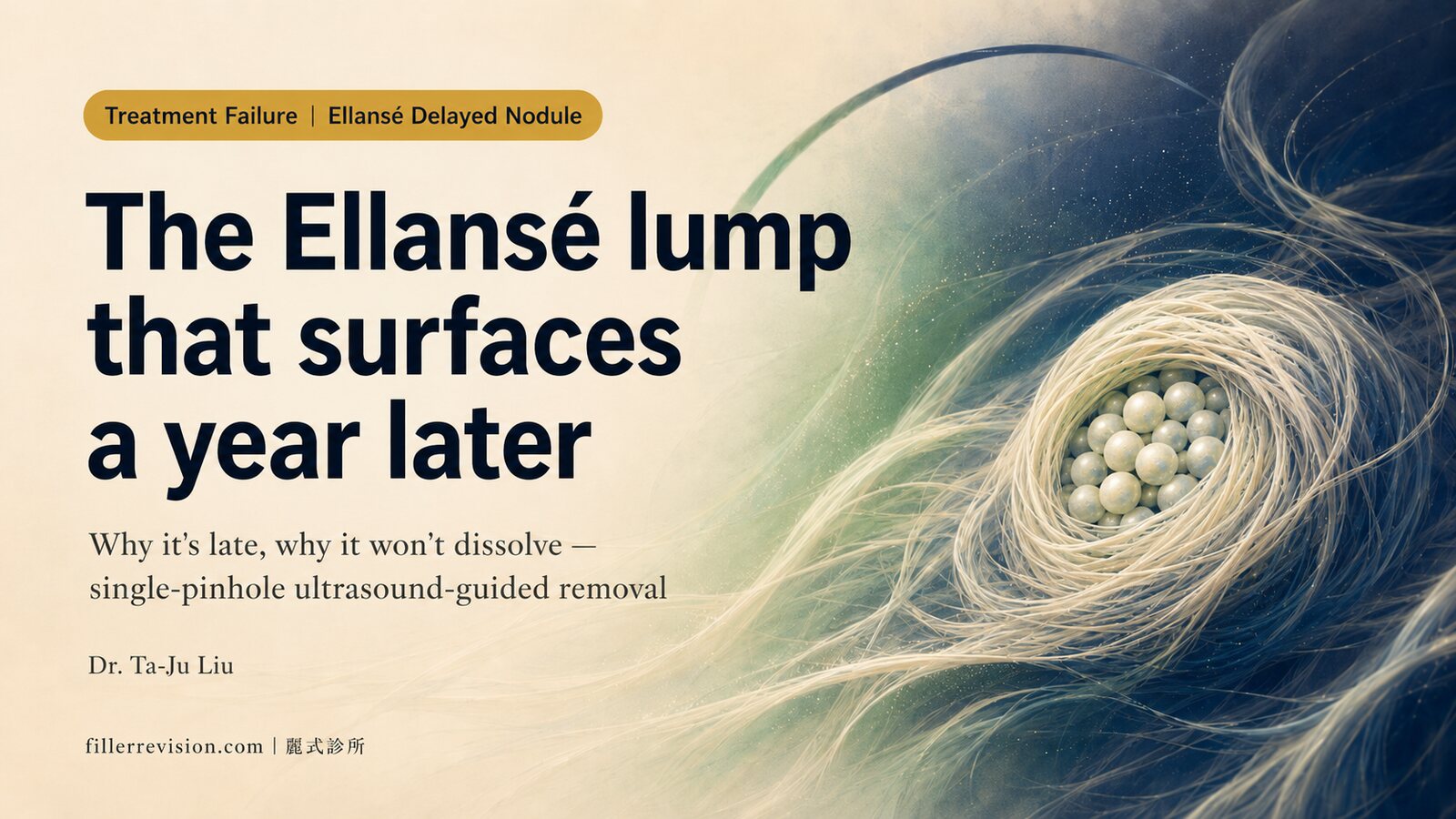
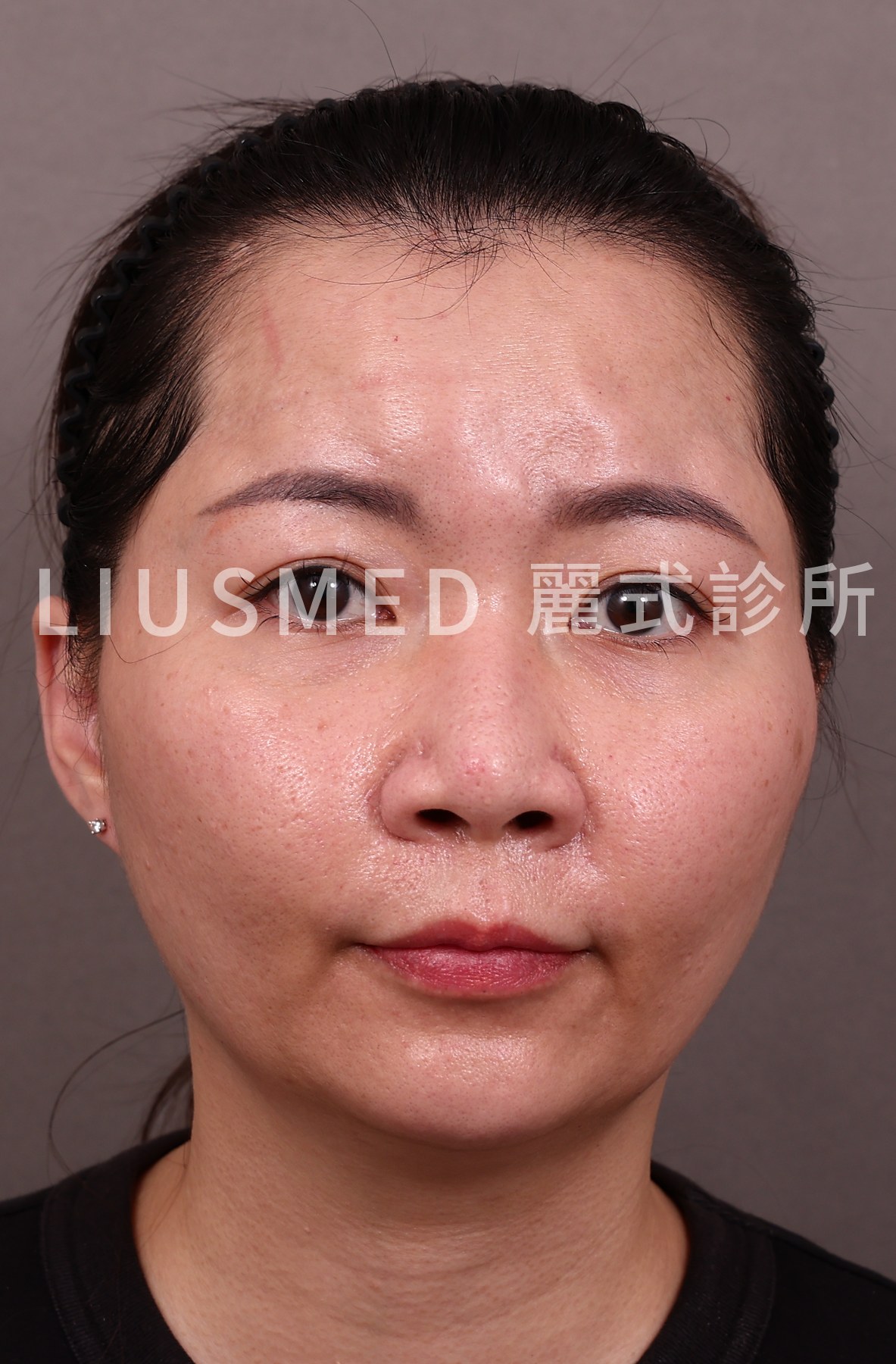
"Doctor, I've had over ten rounds of 5-FU (5-Fluorouracil) and steroid injections. The pain was unbearable each time, but the lumps are still there." At FILLER REVISION, this is one of our most heartbreaking consultations. Patients arrive exhausted after years of painful, repeated pharmacological treatments that never fully resolved their collagen stimulator complications. This particular patient had a collagen stimulator (such as Ellansé, AestheFill, or Sculptra) injected into her apple cheeks years ago. The initial results were great, but whenever she stayed up late, was fatigued, or caught a minor cold, the area would swell up like "bread," leaving behind hard, palpable nodules.
In our clinical experience, the vast majority of collagen stimulator lump patients who reach FILLER REVISION have already undergone multiple failed rounds of pharmacological treatment elsewhere. Today, we'll explain from a medical perspective why "injections" can't cure these lumps, and what the real solution is.
Why Does Your Face Swell With Every Cold or Late Night?
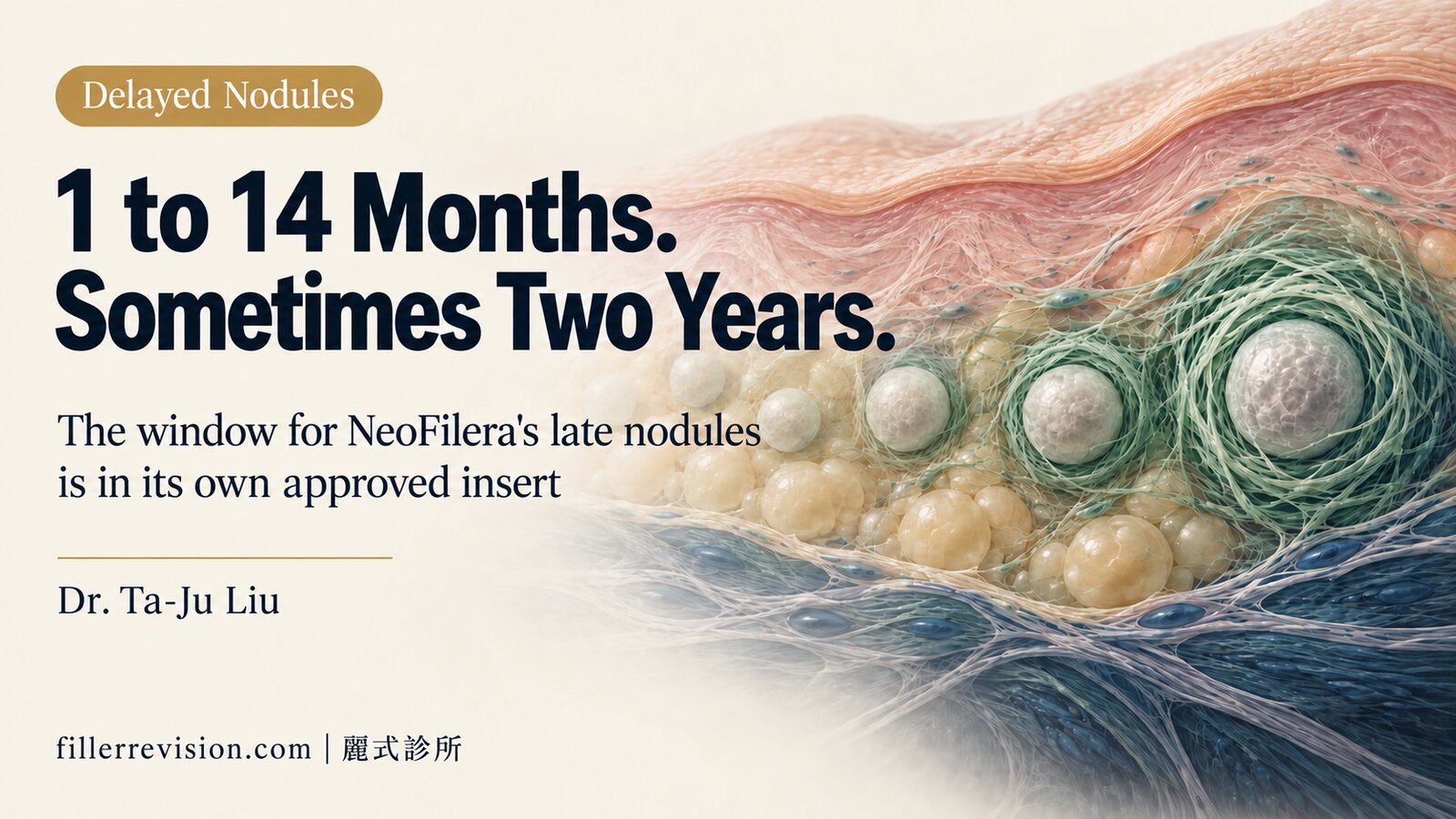
Many patients are told it's "just swelling that hasn't gone down" or "inflammation" that will resolve with anti-inflammatory medication. But then it keeps coming back. Medically, this is called Delayed Onset Nodules (DONs).
According to recent medical research, this is often related to Biofilm formation.
The Vicious Cycle of Biofilm
When filler is injected into the body, bacteria can form a protective layer (biofilm) on the filler's surface.
← Swipe to see more →
| Condition | Body's Response |
|---|---|
| Normal immunity | Bacteria suppressed, no obvious symptoms |
| Cold, fatigue, weakened immunity | Bacteria become active, triggering immune attack |
| Result | Repeated redness, swelling, and heat at the filler site |
This explains why this patient's face swelled "every time she caught a cold" — because the root cause (the filler carrying biofilm) remained in her body.
Why Did 10+ Rounds of 5-FU and Steroids Fail?
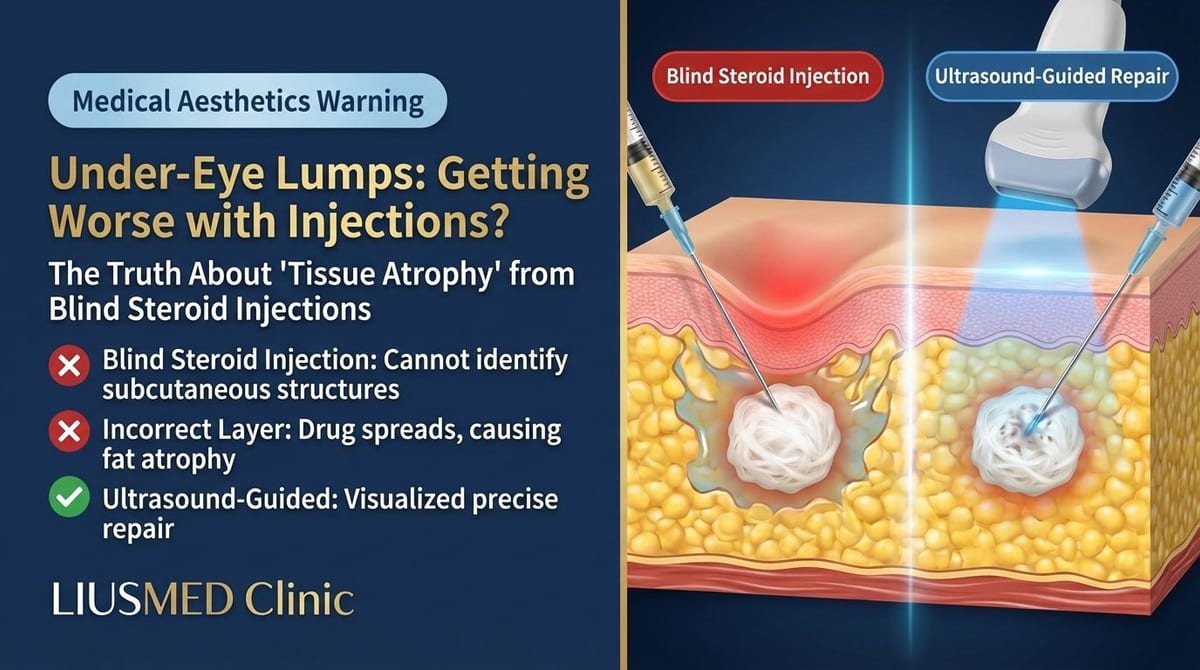
When encountering lumps, many doctors follow the standard protocol of injecting Steroids or 5-FU (5-Fluorouracil, an antimetabolite that inhibits cell proliferation). Literature confirms these medications can suppress fibroblasts and temporarily shrink granulomas.
However, for stubborn nodules formed by collagen stimulators, injections alone often fail. Here's why:
Three Reasons Why Medication Fails
← Swipe to see more →
| Reason | Explanation |
|---|---|
| Treats symptoms, not the cause | Medications only thin the "fibrous tissue" surrounding the filler, making lumps feel smaller, but they cannot remove the filler itself (the "core" that keeps triggering inflammation) |
| Cannot penetrate biofilm | If a biofilm has formed on the lump's surface, medications struggle to penetrate and kill bacteria. Once the drug wears off, inflammation returns |
| Side effect risks | Long-term or excessive steroid injections can cause skin depressions and telangiectasia; 5-FU injections are usually quite painful and can cause tissue ulceration |
💡 Key Insight: At FILLER REVISION, we see this pattern regularly — it's like having sand in your shoe that's rubbing your foot raw. You keep applying anti-inflammatory cream and painkillers (5-FU), but never remove the sand (the filler). Your foot will never heal. This is why patients who have tried multiple rounds of medication without success need a fundamentally different approach.
Liusmed Clinic Solution: Ultrasound (Ultrasonography)-Guided Minimally Invasive Extraction
For patients caught between "medications won't work" and "afraid of scarring from surgery," Liusmed Clinic offers a Minimally Invasive Interventional Approach — bridging non-surgical and surgical treatments.
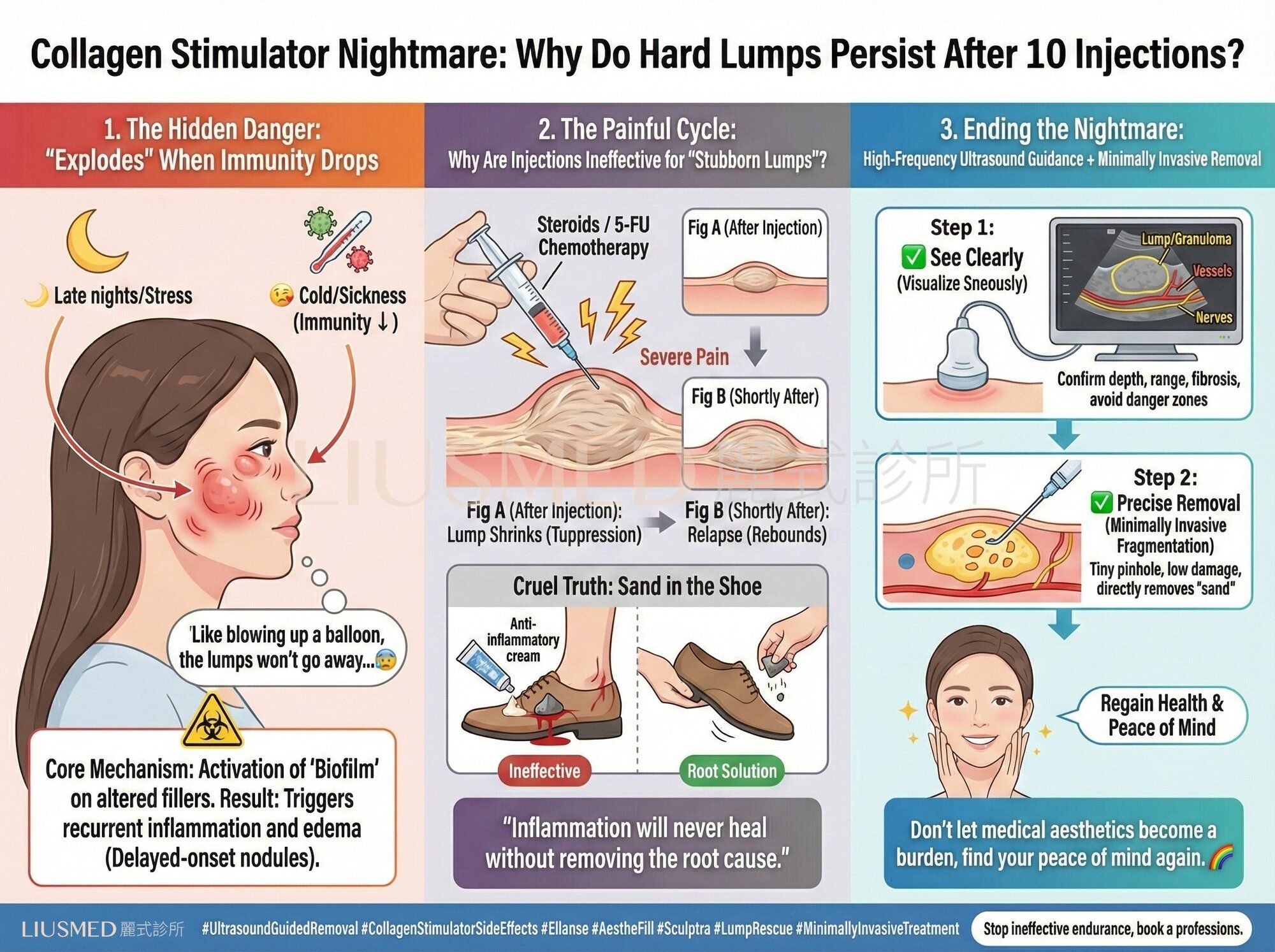
Step 1: Ultrasound Guidance — The "X-Ray Vision" of Medical Imaging
We refuse to treat blindly. Before any procedure, we first scan using High-Frequency Ultrasound:
← Swipe to see more →
| Function | Description |
|---|---|
| Material identification | Distinguish between hyaluronic acid, collagen stimulator, or fibrotic tissue |
| Depth mapping | Determine if lumps are superficial or embedded near muscles and vessels |
| Safety mapping | Precisely mark infraorbital nerve and facial artery locations for safe treatment |
Step 2: Minimally Invasive Pinhole Extraction — Precision Through a Single Puncture
Unlike traditional surgery with large incisions, we enter through an extremely small pinhole:
← Swipe to see more →
| Technique | Purpose |
|---|---|
| Minimally Invasive Dissection | Using minimally invasive techniques to detach adhered nerves and vessels from the lump. |
| Single Pinhole Removal | Removing stubborn calcified lumps or collagen polymers through a small pinhole. |
Core Value: Removing the Root Cause
The value of this technique lies in: removing the source of inflammation.
Once the foreign material is removed, the recurring immune responses usually subside.
Medication vs. Minimally Invasive Extraction Comparison
← Swipe to see more →
| Comparison | Steroid/5-FU Injections | Ultrasound-Guided Minimally Invasive Extraction |
|---|---|---|
| Mechanism | Suppress inflammation, shrink fibrous tissue | Physically remove the foreign body source |
| Treatment sessions | Multiple repeated injections required | Depends on extent and depth; may be staged |
| Pain level | 5-FU is extremely painful | Substantially reduced discomfort under local anesthesia plus gentle pain-relief anesthesia |
| Recurrence risk | High (foreign body remains) | Addresses the foreign body itself (100% removal not guaranteed) |
| Recovery | Redness and swelling for days after each injection | Swelling and bruising settle in about 2–3 weeks; final result in about 3 months |
| Side effects | Risk of skin depression, ulceration | Pinhole of about 2 mm, usually barely visible once healed |
When Medications Have Failed: The FILLER REVISION Approach
The patients who reach FILLER REVISION have typically exhausted every pharmacological option available. The reason steroids and 5-FU ultimately fail for collagen stimulator nodules is structural: these medications can reduce inflammation and temporarily thin the fibrous shell, but they cannot remove the foreign body core that triggers the immune response in the first place. As long as the filler material remains, the cycle of inflammation and encapsulation continues. Since these lumps cannot be chemically dissolved, the approach that actually addresses the root is minimally invasive removal of the foreign body itself. At FILLER REVISION, we break this cycle by removing the source — using ultrasound-guided minimally invasive extraction to physically take out as much of the filler, the capsule, and the biofilm as can be safely removed; depending on the extent and depth, this may be done in stages. For patients who have endured months or years of painful, repeated injections, this approach deals with the cause rather than temporarily suppressing it.
Frequently Asked Questions
Q1: Can collagen stimulator lumps be dissolved with medication?
A1: Unlike hyaluronic acid, collagen stimulators (Ellansé, AestheFill, Sculptra) cannot be broken down with dissolving enzymes. Medications (steroids, 5-FU) can only temporarily shrink the surrounding fibrous tissue but cannot eliminate the filler itself. If repeated injections prove ineffective, minimally invasive extraction should be considered.
Q2: Will the extraction leave visible scars?
A2: Liusmed Clinic's minimally invasive pinhole technique typically creates wounds of 1-2mm; the pinhole heals in about two weeks and is usually barely visible afterwards, although scarring still varies with individual skin. In comparison, long-term lumps or skin damage from repeated injections are far more noticeable.
Q3: Can all collagen stimulator lumps be extracted?
A3: In most cases a meaningful amount can be removed within safe limits, though 100% removal cannot be guaranteed. If the filler has:
- Deeply fibrosed and fused with tissue
- Spread over an extensive area
- Located in high-risk zones (such as inside the orbit)
Individual assessment is needed, and staged procedures may be required.
Q4: Will my cheeks look sunken after extraction?
A4: Mild indentation may occur initially (due to removing the foreign body volume), but after extraction there is a period in which the swelling settles and firmness gradually softens, and the final result takes about 3 months, varying from person to person; we go through the details at your consultation. If desired, safe fillers or autologous fat can be used for moderate filling once stable.
Q5: How soon can I return to normal activities?
A5: The pinhole is small, but this is an extraction, so swelling and bruising are expected; we do not claim a short recovery.
← Swipe to see more →
| Item | Approximate time |
|---|---|
| Swelling and bruising | Usually settle in about 2–3 weeks |
| Pinhole | Heals in about 2 weeks |
| Final result | About 3 months, varying from person to person |
Avoid strenuous exercise at first and use ice packs as instructed.
Conclusion: Don't Let Ineffective Treatment Prolong Your Suffering
Returning to our patient — after ultrasound-guided extraction at FILLER REVISION, we removed white granular material mixed with fibrous tissue from deep within her apple cheeks. At her one-month follow-up, she told me:
"Doctor, I finally don't have to worry about catching colds anymore. The fear of sudden swelling is finally gone."
If you've already tried treatment for collagen stimulator lumps without success, FILLER REVISION specializes in exactly these cases. Under ultrasound guidance, extraction is actually a safer and more fundamental solution than repeatedly receiving painful pharmacological injections.
Book a Consultation
← Swipe to see more →
| Location | Phone |
|---|---|
| Taipei | 02-2709-2669 |
| Kaohsiung | 07-349-6680 |
| Taipei Tonghua | 02-2755-7728 (NHI-contracted) |
LINE: Add us on LINE
Feel free to message or call to book a consultation.
Related Articles
Related Reading
- Facial Overfilled Syndrome: The Gold Standard for Diagnosis and Treatment
- Filler Lumps & Overfilling Can Be Fixed! Minimally Invasive Removal
- Face Looks 'Fake' After Fat Transfer? Minimally Invasive Fat Removal
- Filler Lump Extraction: Precision Removal Technique
Service Pages
About the Author
Dr. Ta-Ju Liu
- Current Position: Director of Liusmed Clinic
- Specialties: Ultra-minimally invasive surgery (lipoma, cyst), body odor surgery, thread lifting, aesthetic repair
- Experience:
- 20 years of clinical minimally invasive surgery experience
- 10,000+ minimally invasive procedures, including 5,000+ filler revision cases
- Board-certified dermatologist (Taiwan)
- Philosophy: "When medication reaches its limits, 'removing the source' is the true solution. We work through a pinhole of about 2 mm to eliminate your biggest concerns."