











Included With Every Treatment
Applies to every revision treatment at our clinic
- 30-day wound / pinhole follow-up care
- Follow-up visits at 14 days, 1 month, and 3 months — all included
- Urgent reply within 24 hours via LINE / Email
FILLER REVISION Secondary Revision Specialist
Pillow Face Repair × Filler Lump Micro-Removal"Your doctor said there's nothing more to do" — FILLER REVISION starts the repair from here

"Three rounds of dissolvers, two months of steroids, five different doctors — and the lump hasn't budged." If this is your story, FILLER REVISION exists precisely for cases like yours. When medication has reached its limits, when encapsulation makes dissolvers physically unable to penetrate, what you need isn't another attempt at the same approach — it's a paradigm shift from "medication" to "micro-surgical extraction." Dr. Liu's "Micro-Pinhole Extraction" is specifically engineered for patients who've exhausted conventional treatments — restoring natural contours through a pinhole of about 2 mm, without major surgery.

Five doctors said nothing could be done. You're my last hope.
This is the opening line we hear most often in the FILLER REVISION consultation room. This patient had visited five clinics, received four rounds of dissolvers, and taken steroids for two months — but ultrasound revealed a lump fully encased in capsule, completely unmoved. Every clinic gave the same answer: "It's your body type," "Just wait," "We've done all we can." When she found FILLER REVISION, she wasn't looking for a sixth opinion — she was looking for a doctor willing to actually solve the problem.
After careful evaluation, we performed "Micro Lump Removal Surgery": the wound was only pinhole-sized, precisely removing the stubborn foreign body. Swelling and bruising usually settle in about 2–3 weeks, and the pinhole heals in about 2 weeks, after which it is usually barely noticeable.
She said: "Five doctors told me to give up. You were the only ones who said 'let me take a look.'" When the surgery was over and the removed lump sat on the sterile tray, her tears were finally not from fear.
In today's aesthetic medicine era, filler complications are a nightmare many people dare not face. You may be experiencing:
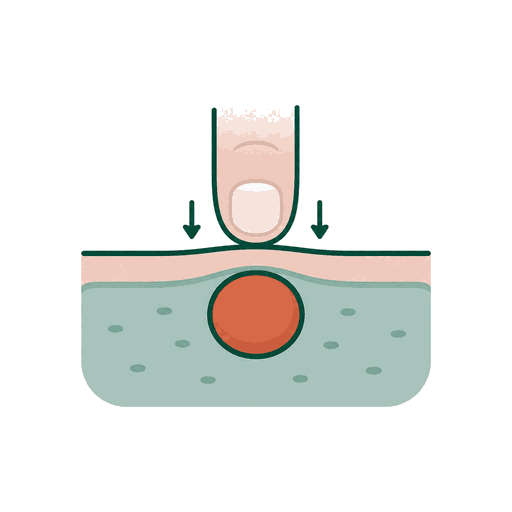 Palpable or visible lumps and nodules under skin
 Uneven contours and strange lines in filled areas
 Over-filling causing "puffy" facial deformation
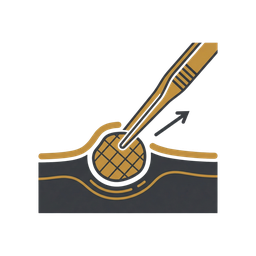 Persistent unexplained bumps long after procedure
 Poor results after dissolution agent attempts
 Refused treatment by other doctors
 Multiple dissolver injections with no effect
 More fillers making it worse, afraid to smile
"Every doctor before said nothing could be done" — FILLER REVISION hears this every week. But here, that's not the end of the story. It's where real repair begins.
See how we helped a desperate patient escape the shadow of under-eye lumps
When the removed lump was placed on the sterile tray, her tears were not from pain, but because someone finally solved her suffering.
Doctors who specialize in lump and pillow face repair are very rare. Why? Because "destruction is easy, construction is hard; repair is the hardest of all." Facing unpredictable immune reactions, encapsulated tissue, or displaced fillers is extremely challenging:
Lumps often adhere near nerves or blood vessels; careless removal may cause injury.
Requires advanced anatomical knowledge and microsurgery skills to remove foreign bodies with as little scarring as possible.
Repair surgery is time-consuming, stressful, and deals with anxious, traumatized patients.
"Difficult cases are what we handle every day." With Dr. Liu's 20 years of minimally invasive surgery experience, FILLER REVISION has built a standardized FOS (Facial Overfilled Syndrome) repair protocol — from "declared hopeless" to "removed," this is a path we walk every day.
Many patients wonder: "Why won't the dissolver work?" "Why did swelling appear years later?" This is actually your body's sophisticated immune response.

The Impenetrable Wall for Dissolvers
When filler enters under the skin, your body builds a fibrous tissue wall (capsule) around the foreign material for protection. Once a capsule forms, dissolvers cannot penetrate to act—this is why multiple injections don't work.
Your Body's "Defense Mechanism"
White blood cells (macrophages) try to engulf the unmetabolizable foreign body, fusing to form giant multinucleated cell networks. In frequently moving areas (like around eyes or mouth), continuous mechanical stimulation makes this network thicker, forming palpable lumps.

Bacteria's Invisible Fortress
Recent research shows stubborn nodules often have "biofilms." Bacteria lie dormant on filler surfaces, immune to antibiotics. When you catch a cold, get vaccinated, or have gum inflammation causing immune fluctuations, bacteria "wake up," causing sudden redness and swelling years after injection.
Ultrasound Reveals the Truth
Those two "caterpillars" under your eyes are not what you think. Please, stop massaging them yourself.
This 45-year-old patient had collagen-stimulating filler injected under her eyes years ago. It was fine at first, but gradually lumps and bumps appeared, with some areas becoming hollow.
Someone told her: "Why not add some hyaluronic acid to the hollow areas to make the bumps less noticeable?" The result? Different materials mixed together made things more complicated, and her appearance became increasingly strange.
Then came the worst part. She thought: "Maybe if I massage it enough, it will disperse?" So she pressed hard every day, again and again. Instead of getting smaller, it got bigger. The small lumps were irritated into two protruding nodules stuck under her eyes that wouldn't go away.
When I performed the ultrasound, the answer was crystal clear. The subcutaneous structure was completely disrupted. Especially at scanning point #2, that bright white, stone-hard nodule was a classic granuloma reaction.
No matter how strong your hands are, can you massage away a stone? Impossible. You're just constantly irritating it, making the inflammation worse.
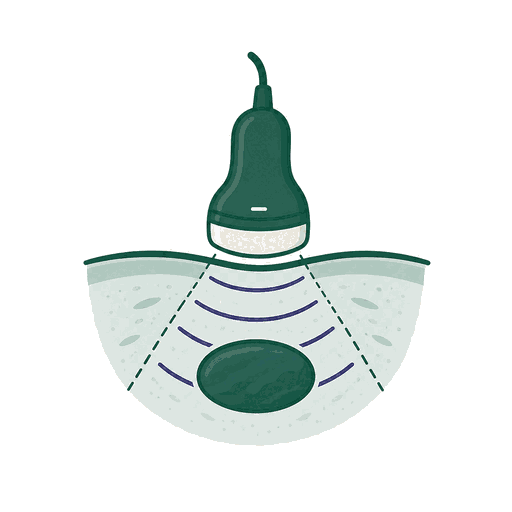
In cases like this, relying on guesswork is guaranteed to cause problems. We always work under ultrasound guidance. Like driving with GPS, we can see exactly where the blood vessels, nerves, and lumps are located, then use micro-pinhole techniques to carefully remove these stubborn formations. Safety is the top priority.
For any collagen-stimulating filler, once lumps appear—do NOT massage. More stimulation only causes more inflammation, and the lumps will only grow larger.
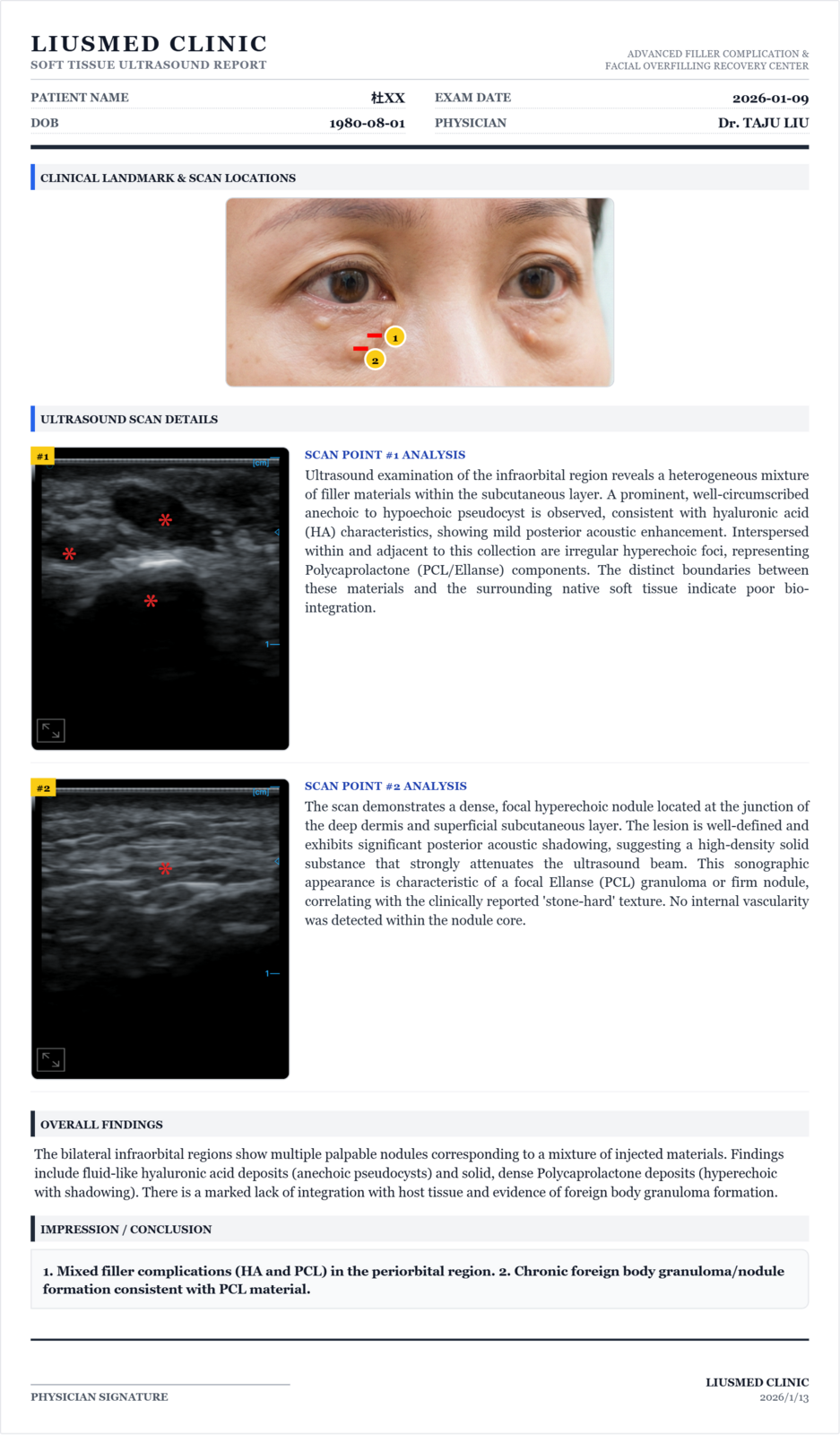
Click to enlarge and view ultrasound report details
We have experience treating lumps, nodules, and overfilling from all of these
We don't use traditional large-incision surgery, but employ ultra-minimally invasive repair techniques.
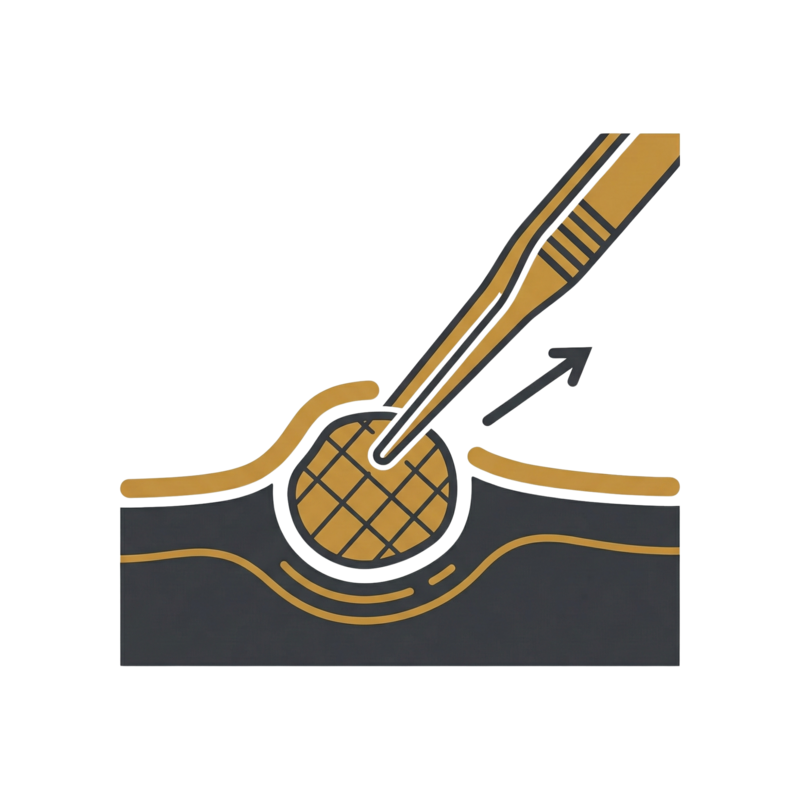
Micro-Invasive Pinhole Extraction
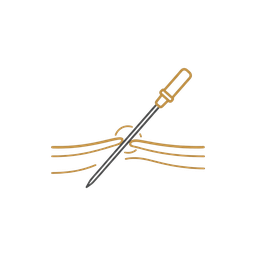
Only pinhole-sized (about 1-2mm), virtually invisible post-surgery

Combined with high-resolution ultrasound or palpation to target foreign body layers
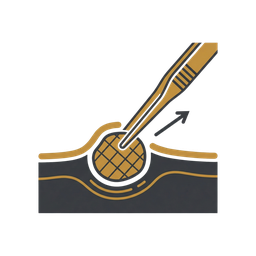
The encapsulating capsule is addressed along with the filler, removing as much as can be safely removed to lower the chance of recurrence — not a 100% guarantee
Most cases that reach secondary revision are the difficult ones — and the most common of all are patients who had material removed elsewhere, were left uneven, and came back for help. That tells you something: the quality of a repair is never decided by whether material can be taken out, but by how cleanly, how evenly, and how precisely it is removed.
Removing as much of the residual material and the capsule that wraps it as can be safely removed, rather than settling for "some came out." We can't guarantee 100%, but the less left behind, the lower the chance of recurrence and renewed inflammation.
Leaving no new dents or ridges after removal — this is the most decisive point of all. Removal done without enough control often turns "one bump" into a whole uneven surface, which simply creates a different problem.
Mapping the whole face beforehand, marking the exact extent of each bump, and allowing for how expression pulls the tissue and how the filler itself shifts — then, once swelling settles, removing exactly what is needed and no more. Conceptually, it is precise full-face fat grafting run in reverse.
This feel for evenness and precision was not built in any single procedure. It is cross-disciplinary experience that Dr. Liu internalized over many years of underarm rotary-blade surgery, liposuction and fat grafting, and the repair of failed liposuction. The feedback patients bring back at their one- and two-month follow-ups is the most honest measure of this treatment line.
Comparison reflects clinical experience with the modalities listed; outcomes vary by individual condition. Consult a qualified physician before any decision.
Based on years of clinical experience, Liusmed Clinic has compiled a comprehensive FOS (Facial Overfilled Syndrome) diagnosis and treatment guideline. Click to enlarge.
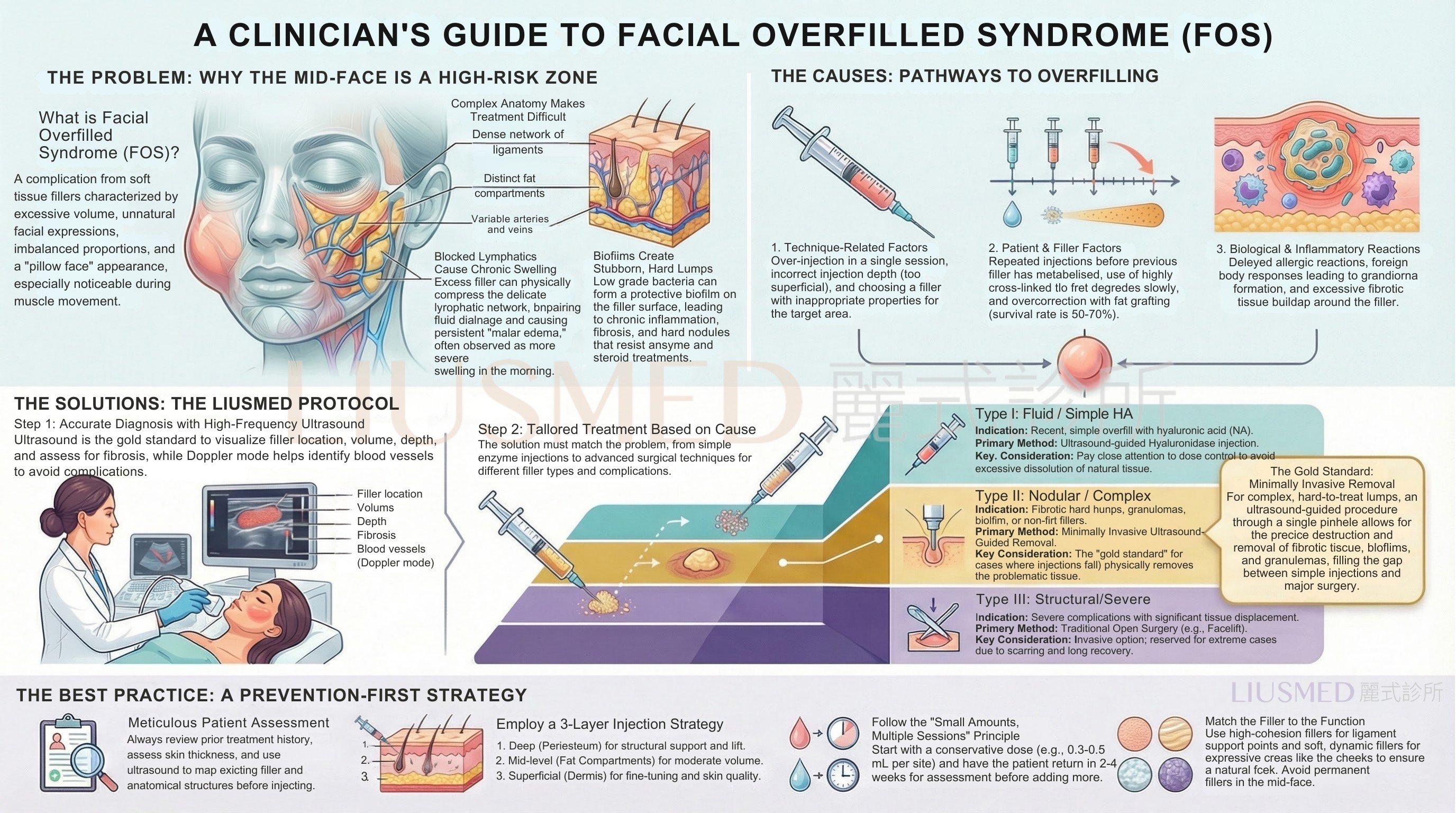
Click to enlarge and view full guideline
Want to learn more about the diagnostic criteria and treatment methods for FOS (Facial Overfilled Syndrome)?
Read Full Professional ArticleThat "bump" under my eye followed me for three years...
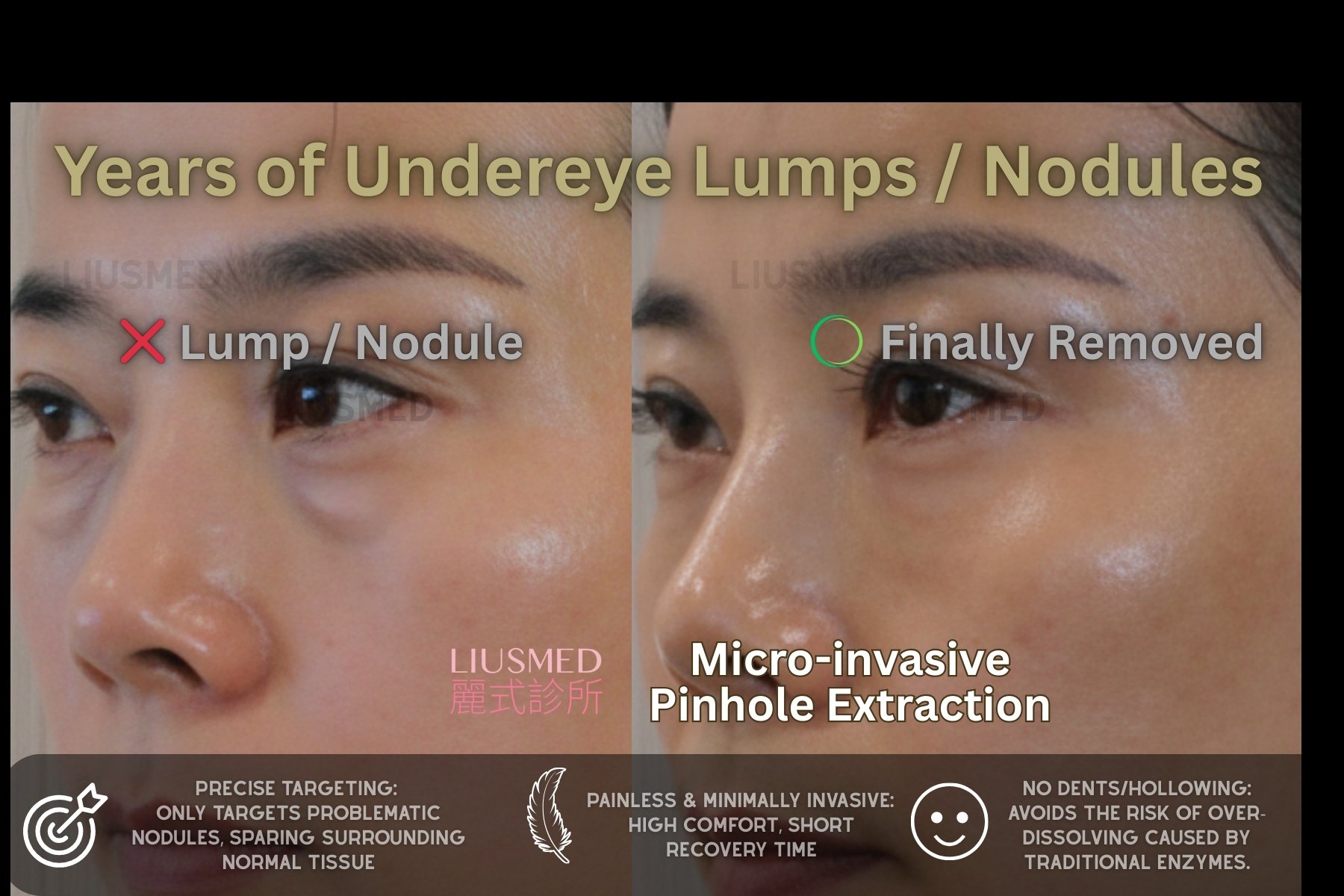
Stubborn nodule formed after tear trough filling, received different answers from many doctors. Finally restored smooth, natural under-eye contour through minimally invasive pinhole removal.
The "fake eye bags" that two rounds of dissolver couldn't fix—turns out encapsulation was the culprit...
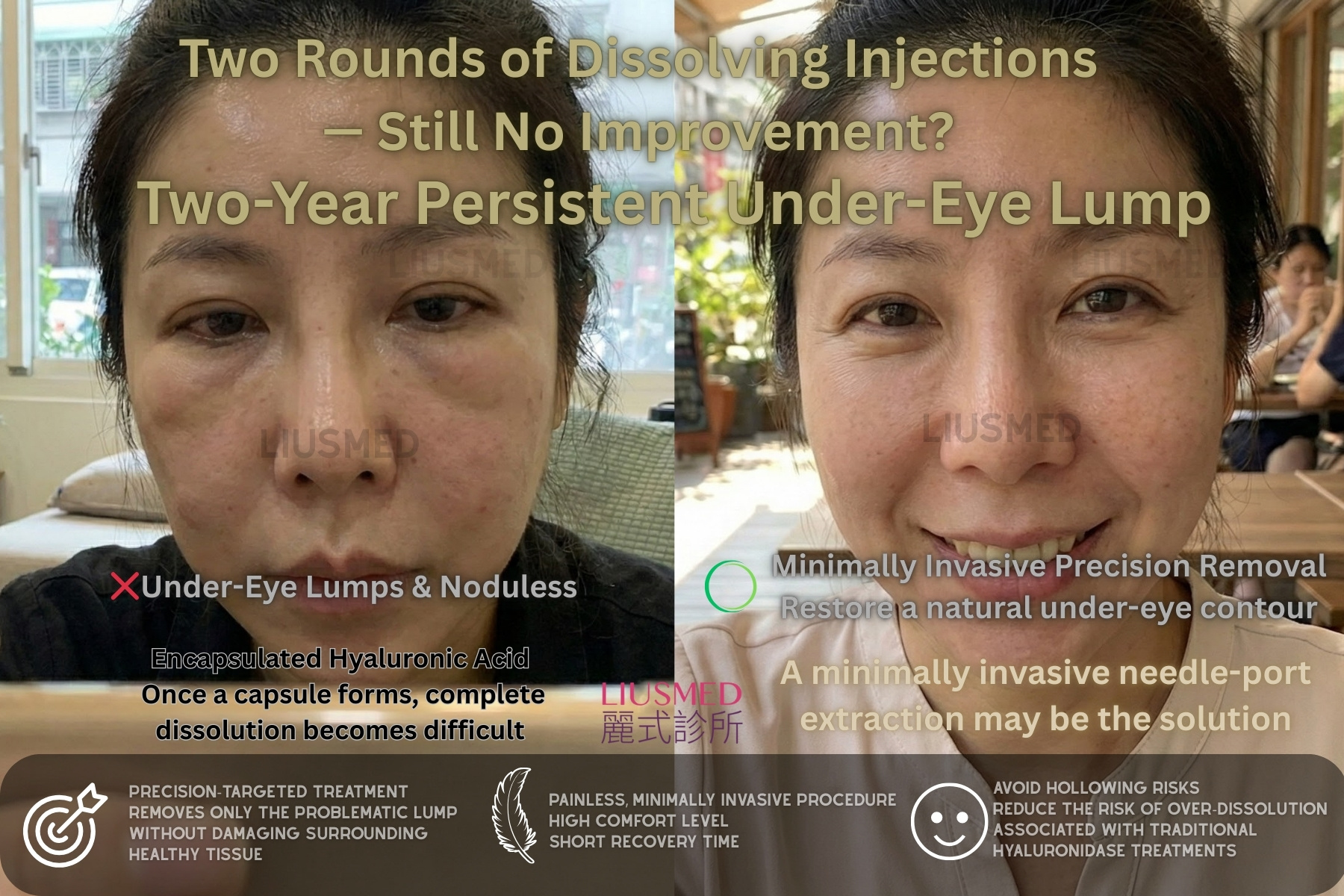
Doctor's Note
Hyaluronic acid that two rounds of dissolver couldn't dissolve formed two "fake eye bags" under the eyes. Examination revealed the HA was encapsulated, requiring precise micro-surgical extraction.
Result: Fake eye bags eliminated, natural contour restored
Caught it! The "caterpillar" under the eye, removed just in time for the holidays...
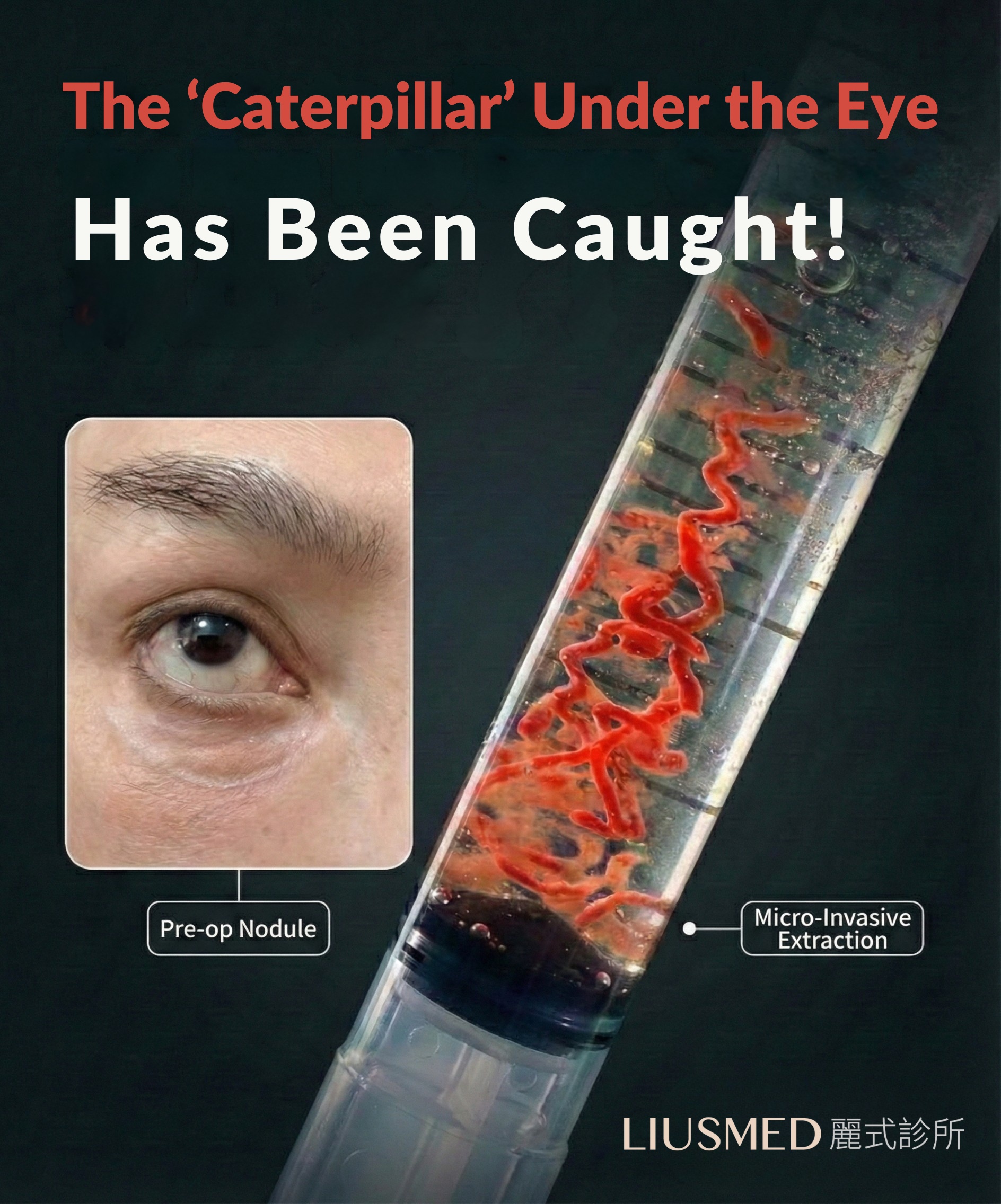
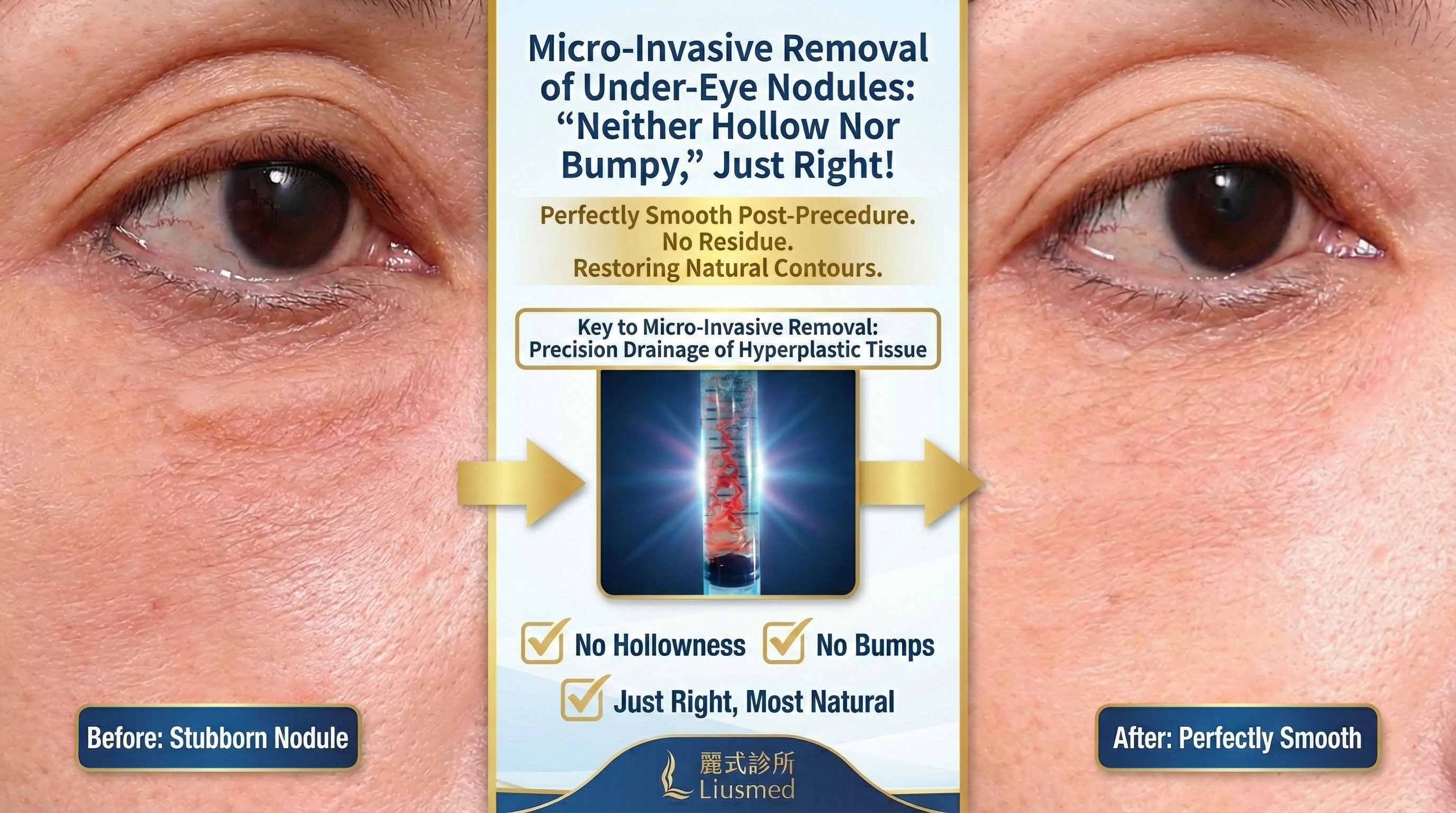
Doctor's Note
This stubborn nodule that hid for 6 months was finally removed just before the holidays. No surgery needed—just one pinhole extraction. At the one-month follow-up, recovery was excellent—no depression, no wrinkling. This proves that with proper technique and precise layer identification, filler removal won't cause disfigurement, but rather restores a more youthful appearance.
Result: Nodule eliminated, natural smoothness restored, no depression or wrinkling
Stubborn lump after tear trough filling, two dissolver injections ineffective, showing unnatural white tint (Tyndall effect).
Micro-Pinhole Extraction Surgery.
When Dr. Liu showed her the removed lump on the sterile tray, she suddenly burst into tears. Not from pain, but because: "Finally, someone believed me and was willing to help." The pinhole healed in about two weeks and is usually barely noticeable afterwards.
Kept getting more, apple cheeks moved down, compressing nasolabial folds, stiff expressions.
Micro-approach to remove wrong-layer + excess lumps.
After removing the excess, wrong-layer lumps, the natural mid-face contour came back and her expression softened. What surprised her most: the cheek kept enlarging not because it was "under-filled," but because the structure was trapping the material — seeing where it was caught and removing the excess cleanly was closer to the answer than adding more.
Under-eye Ellansé nodule persisted for 6 months, visible bump that wouldn't go away.
Minimally invasive pinhole extraction—one pinhole, suctioned out.
One month post-op, recovery was excellent. No depression or wrinkling at all. Proves that with proper technique and precise layers, filler removal restores a youthful appearance.
Precise Assessment × Micro Repair × Complete Follow-up
Understanding your situation, filler history, and expectations with hands-on examination
Developing personalized plan and pricing based on assessment
Precise repair with minimally invasive approach, pinhole-sized wound
Post-op follow-up at about 14 days to ensure smooth recovery
What Your Treatment Includes
Applies to every revision treatment at our clinic
Already included as part of your treatment plan
Exclusive inclusion for filler extraction, dissolution swelling, and induration revision
Treatment composition is determined case-by-case by the physician; results vary by individual.
The filler has likely formed a hard "capsule." Your body's fibrous tissue has tightly wrapped around the filler like a wall blocking dissolvers. In this situation, medication cannot penetrate, and the main solution is precise, minimally invasive removal of the encapsulated tissue through a pinhole.
We specialize in "micro-pinhole technique" with wounds only pinhole-sized (hidden in skin texture or mucosa), healing in about 2 weeks and usually barely noticeable afterwards, though scarring still depends on the individual. The pinhole is small, but this is an extraction, so swelling and bruising are expected — we don't claim a short recovery. Swelling and bruising usually settle in about 2–3 weeks, and the final result takes about 3 months, varying from person to person.
Swelling after a filler injection typically resolves within 1-2 weeks. "Pillow Face" (Facial Overfilled Syndrome) refers to overfilling or wrong layer placement, causing artificial expressions, blurred facial contours, and an inflated appearance persisting for months. If you feel you look "weirder with more filler" or "stiff when smiling," it's likely pillow face requiring removal or adjustment.
The face has a complex distribution of nerves and blood vessels. Dr. Liu has 20 years of minimally invasive surgery experience, thorough knowledge of facial anatomy, and can precisely avoid neurovascular bundles (Danger Zones) while removing as much as can be safely removed.
Yes. Literature documents delayed granuloma cases appearing 10 years after injection. Time alone doesn't rule out treatment: as long as the material shows on ultrasound and can be reached safely, removal can usually still be evaluated; how much can be removed depends on the material, its location, and whether it has encapsulated.
Repair surgery is highly customized medical treatment. Cost depends on filler type (hyaluronic acid, various collagen stimulators, or fat), number of lumps, depth of location, and severity. This requires the doctor's hands-on examination and ultrasound assessment before quoting. We insist on not letting patients waste money and only provide necessary treatment.
This is actually our most common patient profile. When dissolvers fail multiple times, it typically means the filler has formed a hard capsule or granuloma — medication simply cannot penetrate it. This isn't a dissolver problem; it's a sign you've reached the stage where "medical treatment" needs to transition to "minimally invasive pinhole removal." Our Micro-Pinhole Extraction is specifically designed for cases where repeated treatments have failed, using precise targeting and minimally invasive techniques to remove the encapsulated foreign body. In fact, over half of our patients have experienced three or more failed treatments before finding us.
"Wait and see" is the most overused phrase in filler complication management. If it's temporary swelling after HA (Hyaluronic Acid) injection, observation makes sense. But if a lump has persisted for over six months and dissolvers or steroids haven't worked, it's almost certainly a capsule or granuloma — structures that won't resolve on their own and only thicken over time. At FILLER REVISION, we frequently see patients who waited two to three years, only to find the capsule has grown thicker and harder, making surgery more challenging. The sooner you intervene, the cleaner the removal and the faster the recovery.

Director, Liusmed Clinic
"Real medicine is not about adding icing to the cake, but being willing to stand by patients when problems arise, becoming the professional support that resolves your suffering."
Real medicine means standing by patients when problems arise.
We hope Liusmed can be your "rescue station."
The information on this website is for educational purposes only and does not constitute medical advice. Individual results may vary depending on personal conditions; actual outcomes cannot be guaranteed. All medical procedures carry potential risks and complications. Please consult a qualified physician before making any treatment decisions.
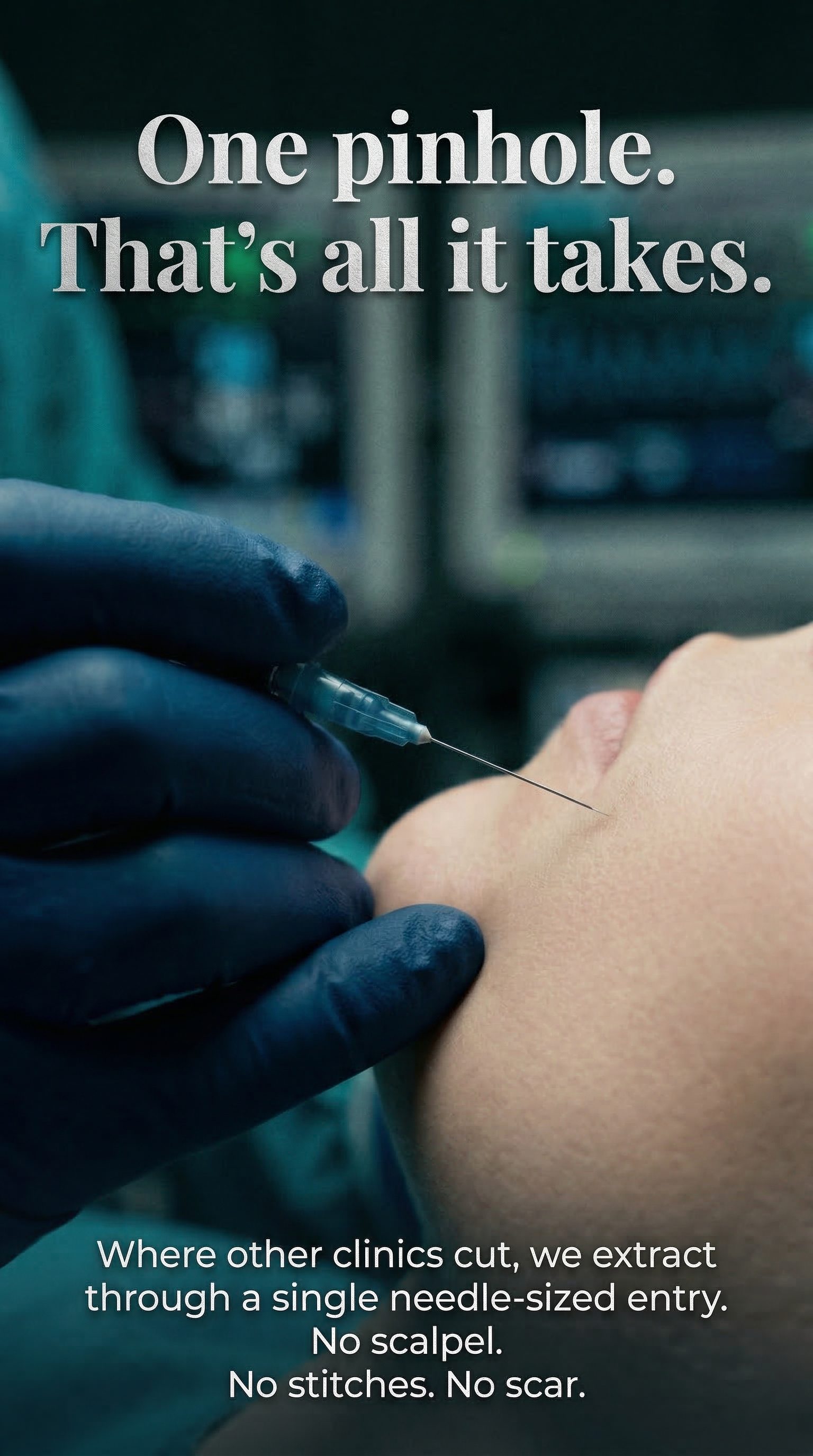
A 2 mm pinhole. No incision.
Ultrasound shows where the filler sits; we remove it through a pinhole — no incision, no stitches. Larger areas are treated in zones or stages, still through pinholes. The pinhole heals in about 2 weeks; swelling and bruising settle in about 2–3 weeks.

After extraction, it should be smooth.
Taking the filler out is only half the job. The other half is leaving the tissue underneath smooth again. How much improves depends on the material and how it has spread.
Describe what was injected, when, and what you are seeing now. Dr. Liu replies in the thread with an educational explanation of what it might be, what needs to be told apart, and which signs mean you should be seen soon. Posting can be anonymous, and other patients with the same problem can read the answer too.
Replies are general health education, not a diagnosis, and do not replace an in-person examination.
Every week, patients who've "failed with five doctors" find us — their path to repair starts with this step
Every extra day fillers remain, capsules grow another layer. Book a FILLER REVISION specialist evaluation now — let us show you what can still be done
Book Consultation