Introduction: A Stranger in the Mirror
"Dr. Liu, I was told to just wait — that the fat would absorb and my face would look natural. It's been six months, and it still looks wrong." At FILLER REVISION, pillow face after fat grafting is one of our most common consultations. Patients arrive after being dismissed by their original clinic, told the problem is their "constitution" or that time will fix it. In our experience, fat grafting overcorrection rarely self-corrects — the surviving fat is permanent, and the longer patients wait, the more the excess fat integrates with surrounding tissue.
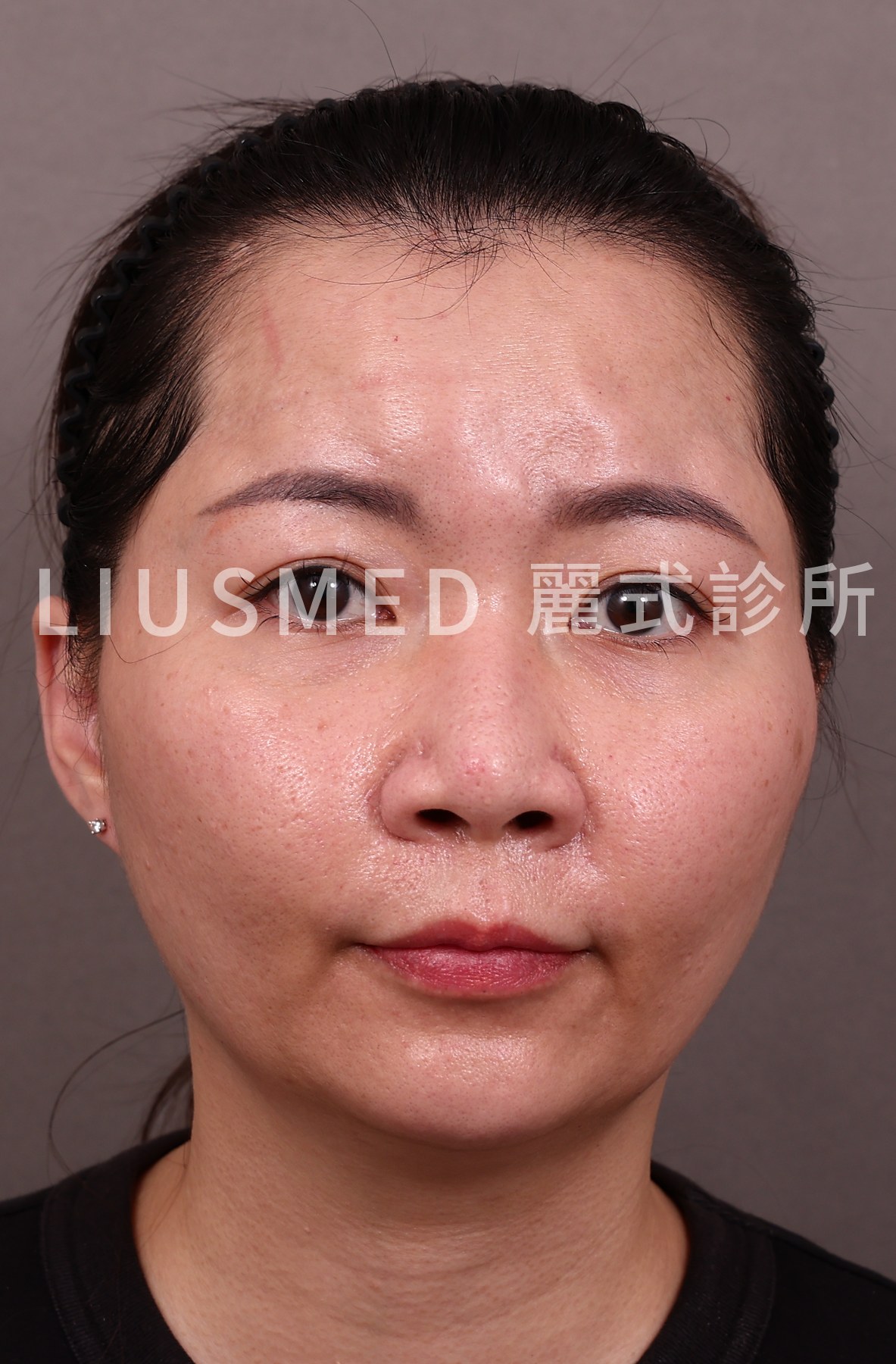
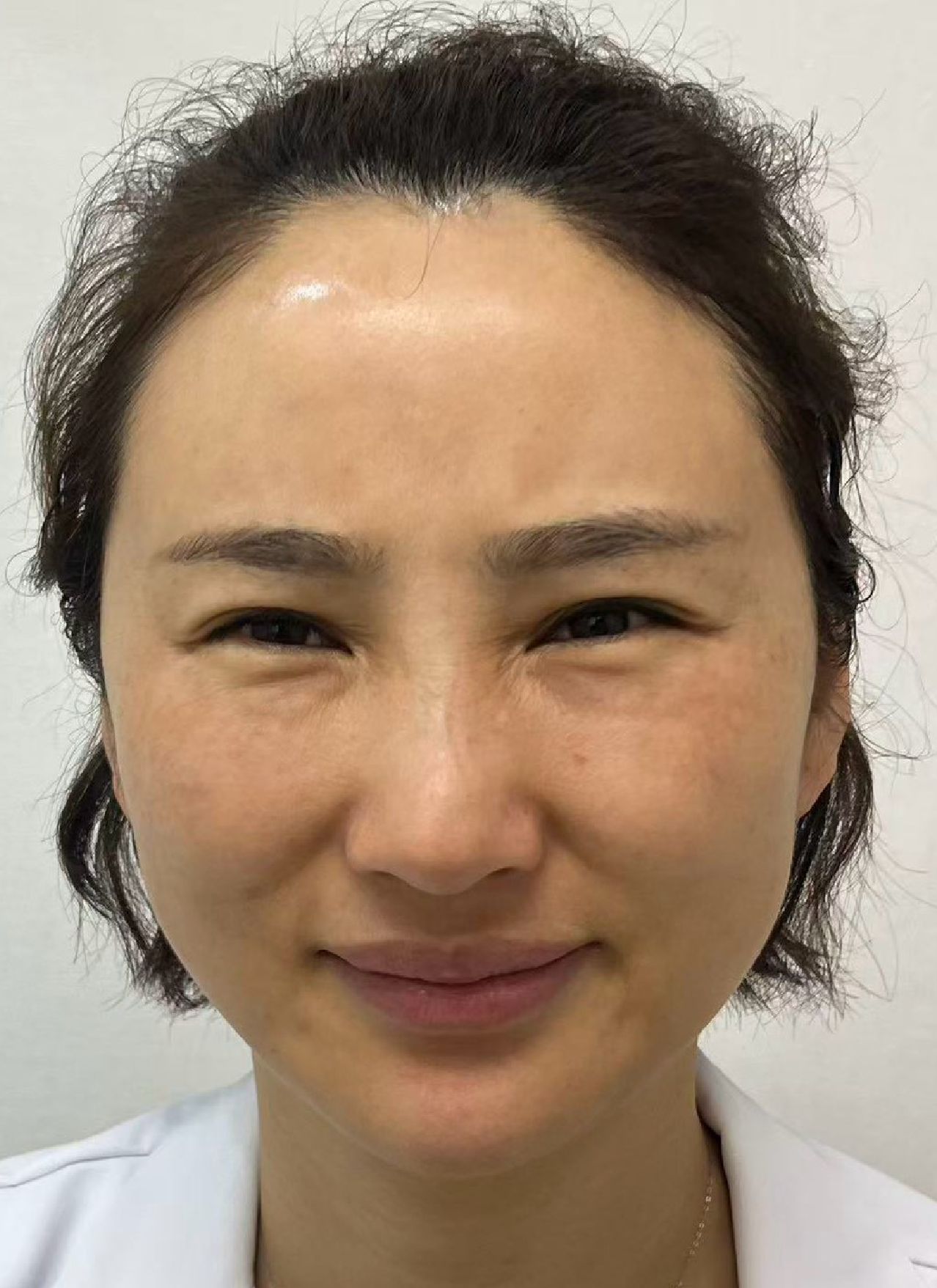
Six months ago, this patient had mid-face fat grafting at another clinic. Her expectations were fullness, youthfulness, and naturalness. But as the recovery period passed, she noticed the reflection in the mirror becoming increasingly unfamiliar:
- Her apple cheeks were too prominent—when she smiled, they looked like two stiff, unnatural lumps.
- Her facial contours became disharmonious, losing their original smooth lines.
- In photos, her face appeared to "float," filled with an unnatural, plastic look.
When she returned to the original clinic to inquire, the responses only made her feel more helpless:
"This is normal, just wait and it will become natural." "Fat naturally swells like this."
Finally, she was told: "This is your body's constitution problem."
But that simply isn't true.
Why Does Fat Transfer Fail? Unveiling the Truth Behind "Pillow Face"
Many patients ask me: "Dr. Liu, why do some doctors advise against fat grafting? Or why does it sometimes result in 'bread face' (pillow face)?"
The answer is quite straightforward—autologous fat transfer has an extremely high technical threshold. It's not simply about injecting fat. It tests three crucial skills of the physician:
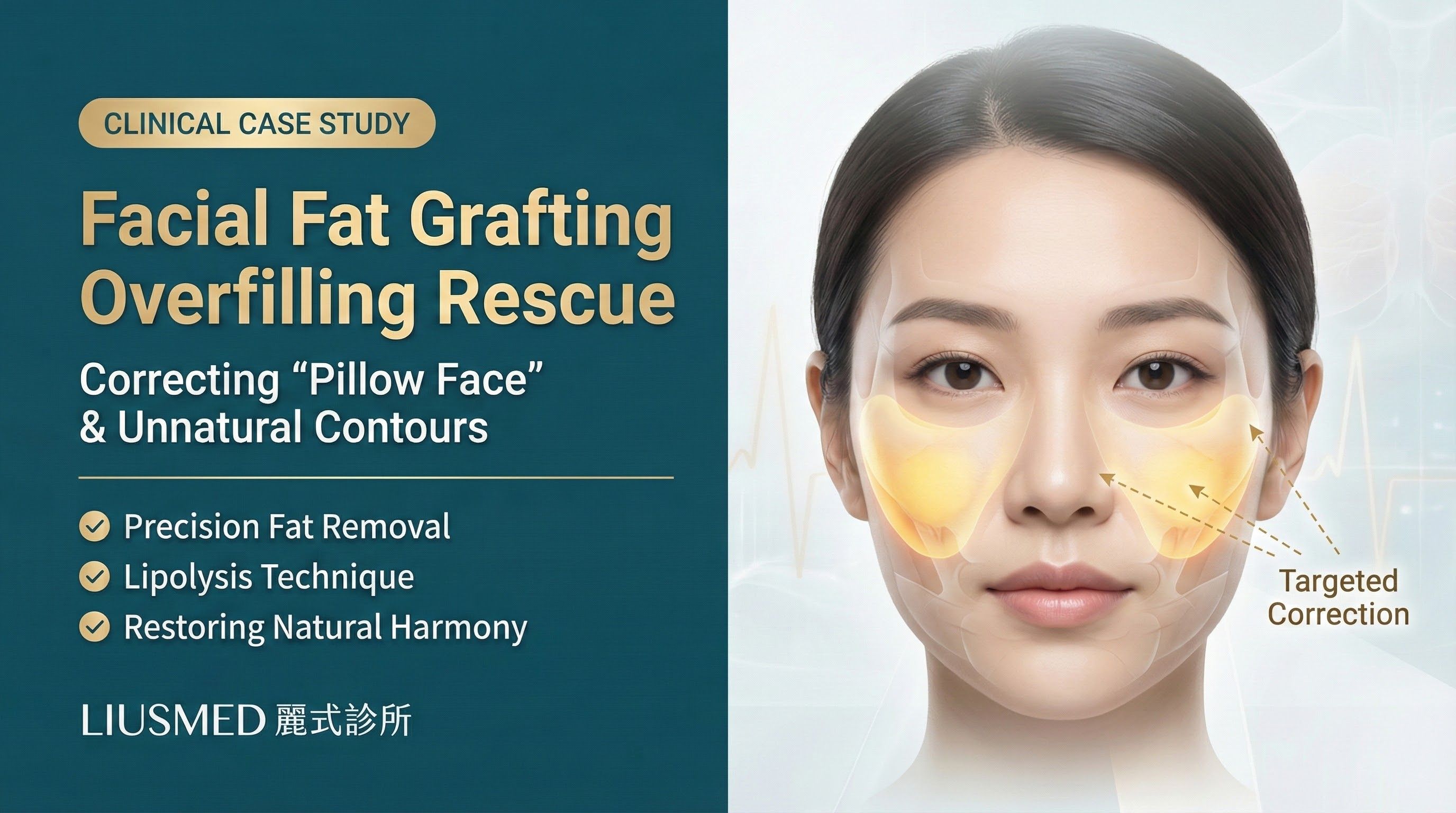
1. Technical Threshold of "Fat Harvesting + Purification"
Fat harvesting and purification form the foundation of the entire procedure. If the extracted fat cells are damaged or improperly purified, no amount of grafting will survive—and it may even cause inflammation or lumps.
2. Inability to Master "Correct Layers" and "Precise Dosage"
This is the most critical point. Fat must be placed in the correct anatomical layers (deep support, superficial refinement), and the dosage must be precise to the milliliter.
- Too superficial: Causes surface irregularities and a grainy texture.
- Too much volume: Directly leads to "pillow face," making the face appear swollen and crowded.
3. Uncertainty About "Survival Rate" Leading to Over-filling
Many physicians, unable to predict their fat survival rates, often overfill with the mindset of "it will absorb anyway" to compensate for potential loss.
The results are often disastrous: Too much becomes pillow face; too little shows no effect.
Key Insight: At FILLER REVISION, we see this pattern regularly — once fat is placed in the wrong layer or over-injected, it can cause fat necrosis, calcification, and lumping. These technical errors are often dismissed with a simple "it's your body's constitution," leaving patients with endless anxiety. The reality is that pillow face is almost always a technique problem, not a patient problem.
My Commitment: Fat Is the Best Material—If the Technique Is Right
In my practice, the situations described above have never occurred.
For fifteen years, I have consistently believed: Fat is the first choice for large-area facial volumization.
When the technique is correct, it is the most natural, softest, and safest material—completely derived from your own body. It perfectly addresses:
- Forehead and temple hollowing
- Sunken cheeks
- Deflated apple cheeks
- Tear troughs, nasolabial folds, and marionette lines
The key is: precision.
Case Rescue: Restoring Natural Facial Contours
Returning to this young woman's case.
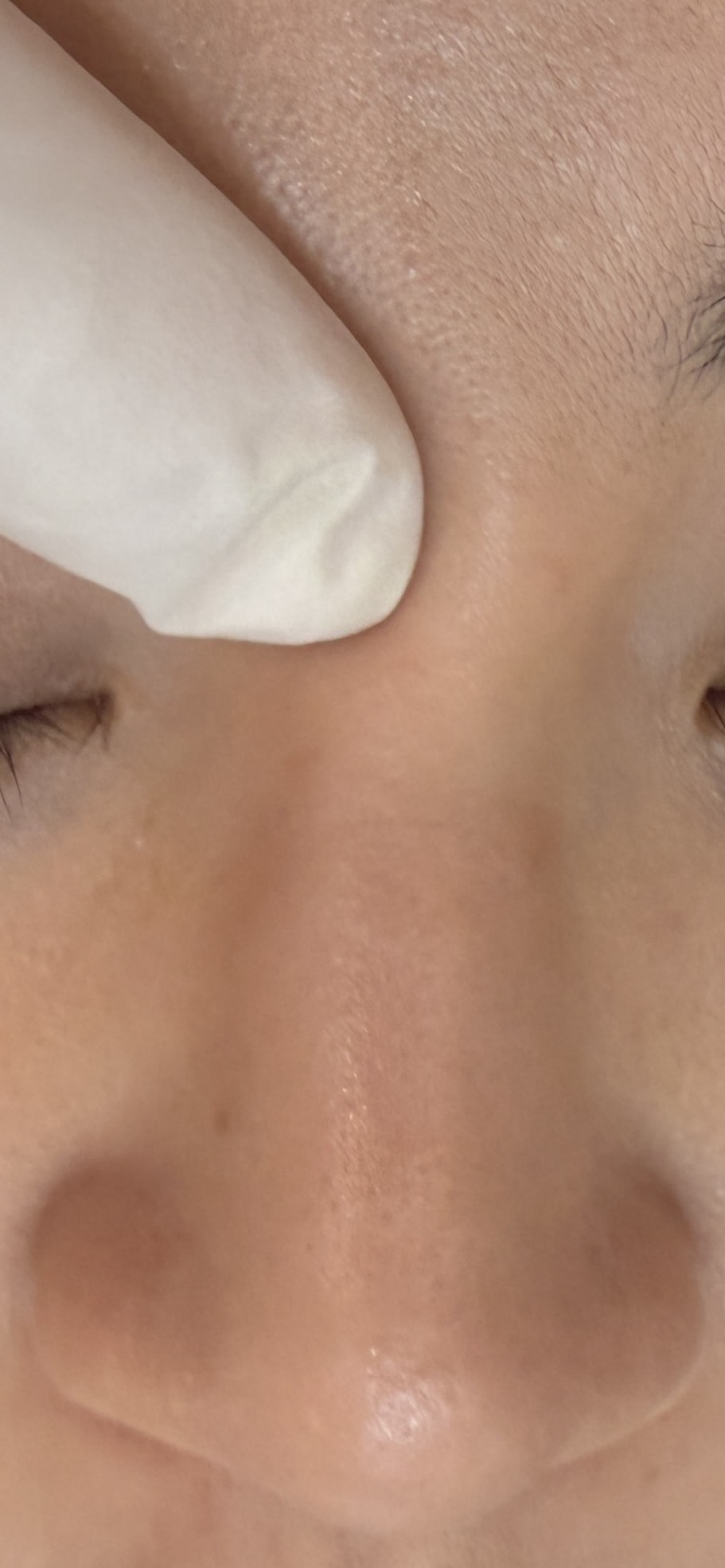
After careful palpation and evaluation, I discovered her mid-face issues were:
- Too much fat was grafted without considering dynamic facial expressions.
- The placement was too superficial and concentrated, creating a visible bulge.
- Mild pillow face had already developed.
No wonder she felt something was "off." For her condition, we performed a combination repair treatment:
← Swipe to see more →
| Treatment | Description |
|---|---|
| Minimally Invasive Fat Removal | Working through pinholes of about 2 mm, with no incision, to precisely remove excess, locally accumulated stubborn fat deposits |
| Fat Dissolution | Targeting scattered, superficial small areas of pillow face for delicate adjustment, restoring even facial contours |
When Waiting Doesn't Work: The FILLER REVISION Approach
Most pillow face patients who find FILLER REVISION have been told to wait — that the fat will absorb over time. The reality is that once transplanted fat successfully vascularizes and integrates (typically within 3-6 months), it becomes permanent living tissue. No amount of waiting will reduce the volume. Standard liposuction techniques are too aggressive for delicate facial structures, risking contour irregularities and nerve damage. At FILLER REVISION, we use precision minimally invasive fat removal through pinholes of about 2 mm, with no incision, targeting only the excess fat deposits while preserving the surrounding tissue architecture. Combined with fat dissolution for scattered superficial deposits, this layered approach restores natural facial proportions without the risks of aggressive surgical intervention.
How small the entry point actually is
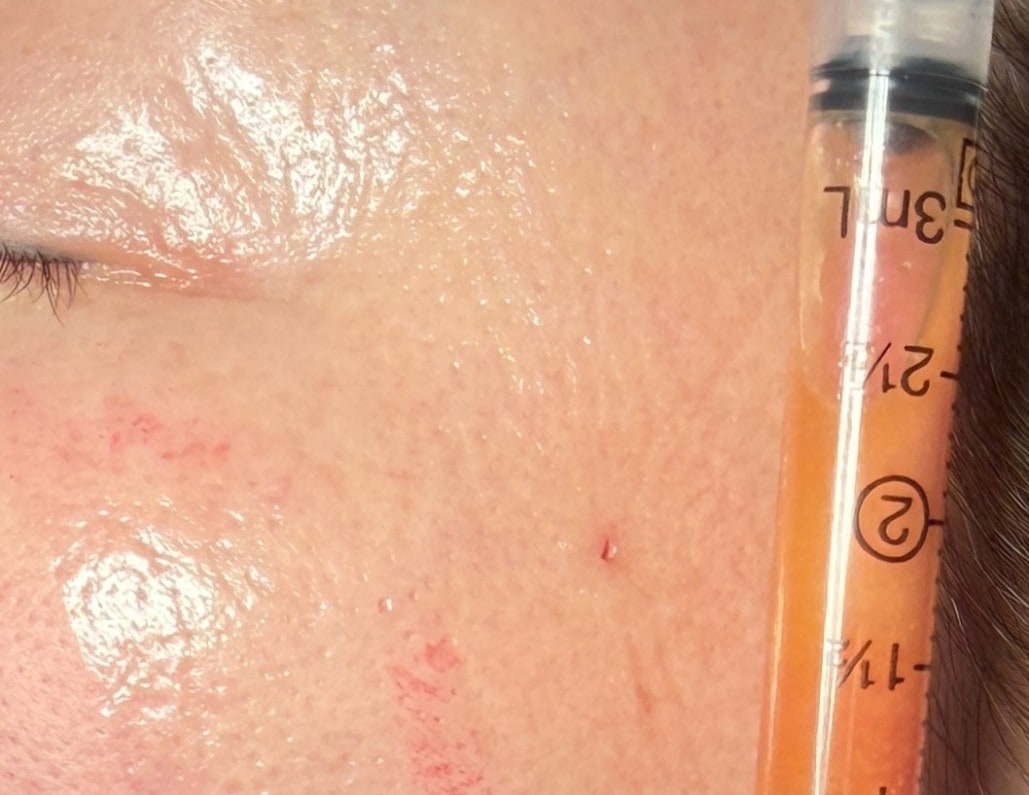
When a procedure is described as minimally invasive, how minimal it actually is happens to be something you can look at. The photograph above was taken during the procedure: the small red mark in the centre is the entry point, and the syringe on the right holds fat that had just come out of the face.
A small entry point is not only a question of how the scar looks. The narrower the channel instruments pass through, the less tissue is torn along the way — and that affects how much swelling follows and whether the layer settles back flat afterwards. In facial revision the hard part is usually not whether something can be taken out. It is whether the layer is still even once it has been.
The colour of the extracted material is worth looking at too: it is fairly clean, with almost no visible red. How much blood ends up in the extract reflects how many vessels were disrupted along the way, and a cleaner colour means the dissection stayed closer to the tissue's own planes.
The full picture also has to include the limits. Not every case of overfilled fat is suited to this. Material sitting too deep, spread too diffusely, or already walled off by fibrosis can only be reduced so far. Extraction has never been about taking out as much as possible; it is about balancing safety, appearance and what tissue is left behind.
One Month Post-Op: The Truth Revealed
At her follow-up appointment, she looked at the comparison photos. Her facial contours had smoothed out, her apple cheeks were no longer jarring, and her entire face had returned to a youthful, soft, and harmonious state.
She couldn't help but say: "So it wasn't that my face was strange—there really was too much fat."
To Those Currently Feeling Anxious
When your facial contours become stiff or strange, it's usually not your fault, nor is it your body's constitution. The technique simply needs to be more precise.
If you've already tried treatment for pillow face or fat grafting complications without success, FILLER REVISION specializes in exactly these cases. Our minimally invasive fat removal approach restores natural contours that waiting and time cannot fix.
📋 Professional Clinical Treatment Guideline
Want to learn more about how we diagnose and treat FOS (Facial Overfilled Syndrome) and pillow face issues?
Based on years of clinical experience, Liusmed Clinic has compiled a comprehensive diagnosis classification and treatment protocol guideline.
👉 View Complete Clinical Treatment Guideline (on the Filler Complications Repair page)
Contact Us
Liusmed Clinic
- Taipei: 02-2709-2669
- Kaohsiung: 07-349-6680
- LINE: Add us on LINE
- Website: https://www.liusmed.com
Further Reading
Related Articles
- Facial Overfilled Syndrome: The Gold Standard for Diagnosis and Treatment
- Filler Lumps & Overfilling Can Be Fixed! Minimally Invasive Removal
Service Pages
Disclaimer: This article is for informational purposes only. Medical treatments vary by individual. Please consult a professional physician for specific treatment plans.
Frequently Asked Questions
My original clinic told me the fat would absorb and my pillow face would become natural. Is that true?
Usually not. Once transplanted fat successfully vascularizes and integrates, typically within 3-6 months, it becomes permanent living tissue and no amount of waiting will reduce the volume. In our experience, fat grafting overcorrection rarely self-corrects, and the longer you wait, the more the excess fat integrates with surrounding tissue. If waiting hasn't worked, the issue can be addressed directly rather than left to time.
Is pillow face really my body's constitution, like my original doctor said?
In our experience, pillow face is almost always a technique problem, not a patient problem. When facial contours become stiff or strange after fat grafting, it usually reflects how the fat was placed rather than your body. Technical errors such as over-injection or wrong-layer placement are often dismissed as 'your body's constitution,' but most have a clear technical cause and a corresponding repair approach.
Why did my fat transfer turn out unnatural and lumpy?
Overfilling and wrong-layer placement are the two main causes of unnatural fat transfer results. Too much volume directly leads to pillow face, making the face look swollen and crowded, while fat placed too superficially causes surface irregularities and a grainy texture. When fat is placed in the wrong layer or over-injected, it can also lead to fat necrosis, calcification, and lumping. Autologous fat transfer has a high technical threshold, so precision in layer and dosage is what matters.
Can excess facial fat from a fat transfer be removed, and how?
Yes. Minimally invasive fat removal through pinholes of about 2 mm, with no incision, can restore natural facial contours by targeting only the excess fat deposits while preserving the surrounding tissue architecture. For scattered, superficial small areas, fat dissolution is used for delicate adjustment, so the two approaches are often combined in a layered repair. Standard liposuction is too aggressive for delicate facial structures, which is why a precision, minimally invasive method is used instead. The same "see it, then remove it" logic applies whatever the material: imaging locates the excess and physical extraction takes it out, while energy devices do not remove volume — see single-pinhole extraction vs ultrasound.
Does this mean fat transfer itself is bad? Should I avoid fat as a filler?
No. Fat is an excellent material when the technique is precise, and the doctor regards it as a strong choice for large-area facial volumization, addressing areas such as forehead and temple hollowing, sunken cheeks, deflated apple cheeks, tear troughs, nasolabial folds, and marionette lines. Because it is derived entirely from your own body, it can be natural and soft when done well. The deciding factor is correct layers and dosage, not the material itself.