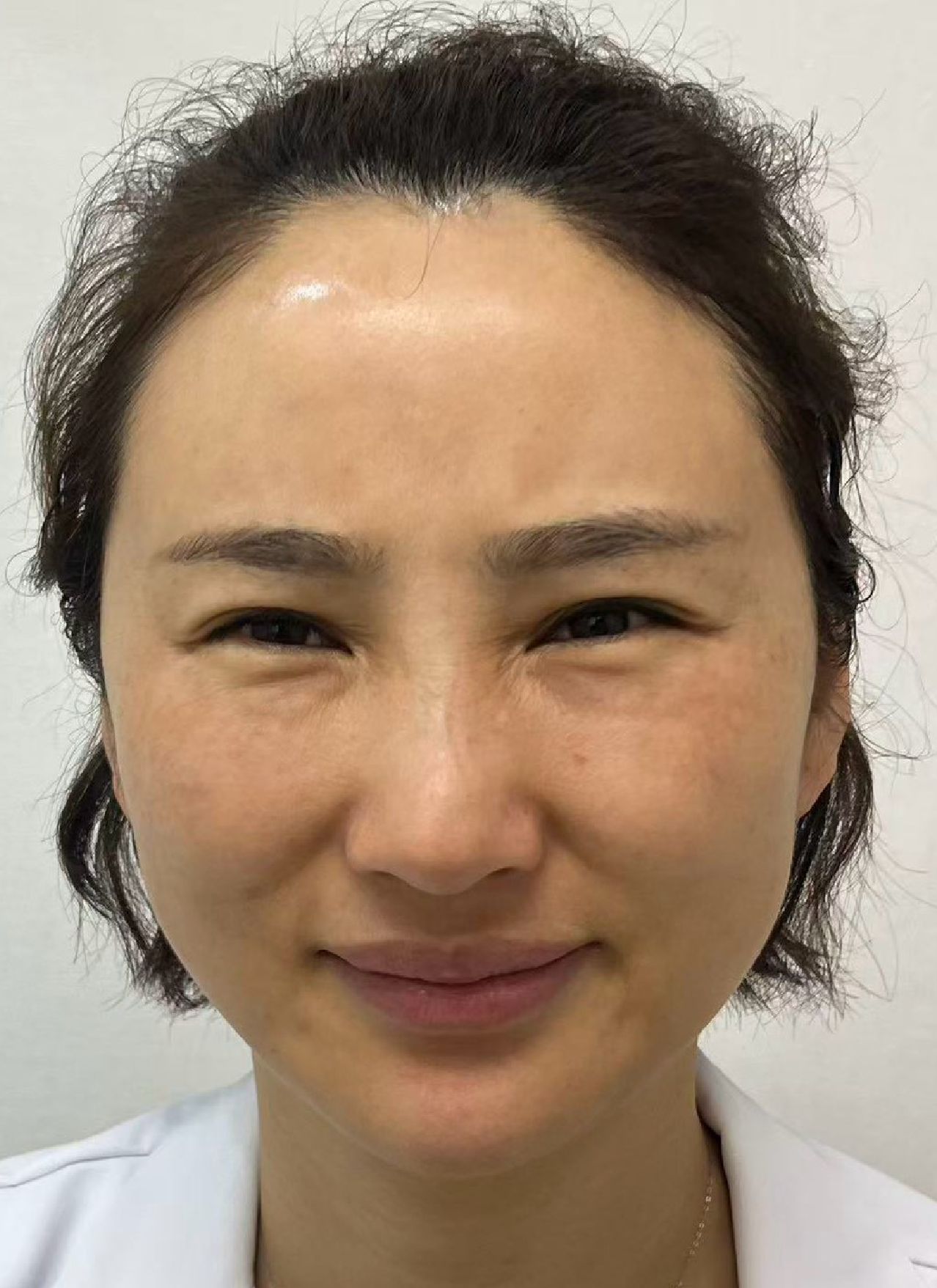
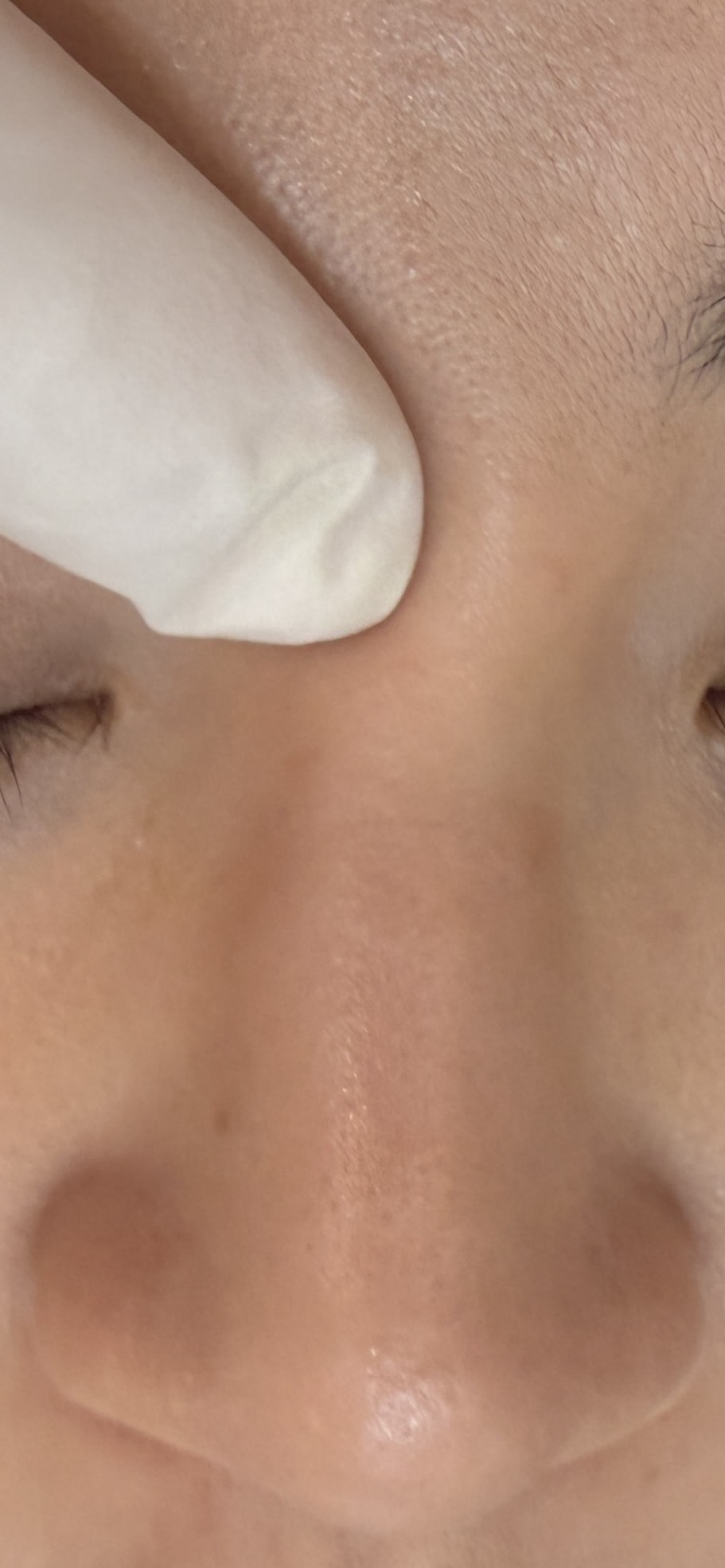
When You're Told "This Is Normal," We Say "Let Us Help You"
"Dr. Liu, I can't even look in the mirror anymore. I've tried dissolving agents and steroid injections — nothing worked." At FILLER REVISION, we hear this from patients every week. They arrive after being told by their previous clinic that nothing more can be done, that they should simply wait years for the filler to absorb. In our experience, the patients who reach us have typically exhausted every standard treatment option and been left without answers.
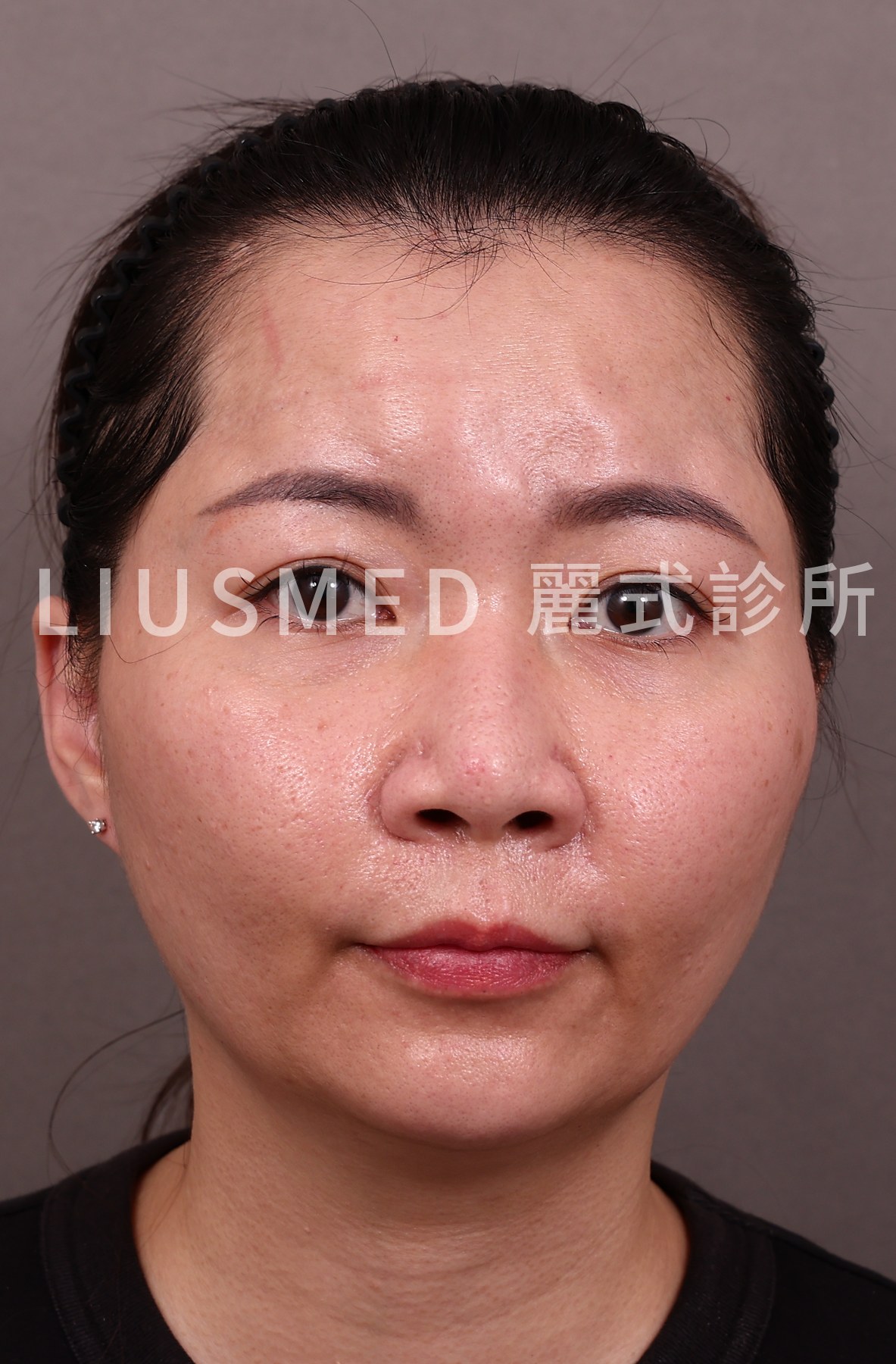
This particular patient had Ellanse injected elsewhere six months ago, developing a noticeable hard lump under her eye. After three follow-up visits and failed dissolution and steroid attempts, she was told: "There's really nothing more we can do."
What We Offer Patients Is Not Just Technique, But the Commitment to "Do Everything to Help You"
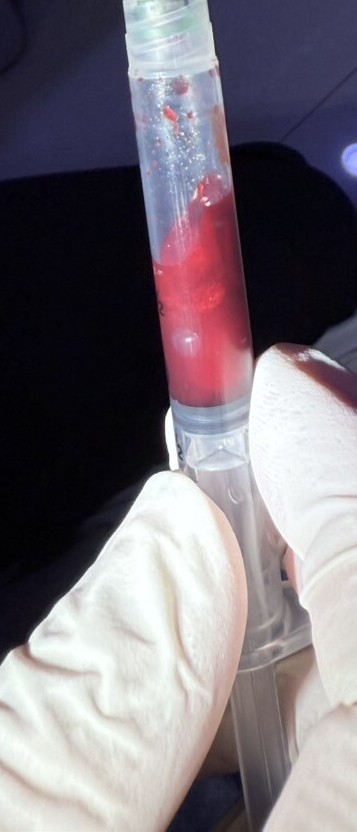
After careful evaluation, I performed a Minimally Invasive Lump Removal for her:
← Swipe to see more →
| Aspect | Details |
|---|---|
| Wound Size | A pinhole of about 2 mm, no incision |
| Technique | Precise extraction of stubborn foreign material |
| Recovery | In this case, swelling was relatively mild |
| Scarring | The pinhole healed and is barely visible |
When I showed her the extracted lump on the sterile tray, she suddenly burst into tears.
Not from pain, but because:
"Finally, someone believed me and was willing to help."
These words left a lasting impression on me.
Filler Complications Are Not Hopeless
You don't have to just wait for natural absorption!
We have effective methods to address nodules / lumps / overfilling caused by:
Treatable Filler Types
I have experience treating complications from:
- Hyaluronic acid fillers
- Collagen-based fillers
- Ellanse (PCL fillers)
- Sculptra and other collagen stimulators
- Fat transfer overfilling
Some may be due to "constitution issues," but we have methods to appropriately resolve and improve them—we won't just tell you to wait indefinitely for it to "metabolize on its own."
True medical care means standing by the patient when problems arise.
Key Insight: At FILLER REVISION, we see this pattern regularly — patients are told their filler complications are untreatable, when in reality the previous approach simply wasn't suited to the problem. Dissolvers cannot break down encapsulated material, and steroids cannot remove foreign bodies. What these patients need is a different method entirely.
When Standard Treatments Have Failed: The FILLER REVISION Approach
The reason standard treatments fail for cases like these is simple: dissolving enzymes only work on accessible, non-encapsulated hyaluronic acid. Steroids reduce inflammation but cannot remove the physical material triggering the immune response. At FILLER REVISION, we approach these cases with ultrasound-guided pinhole extraction — physically removing the foreign material that medications cannot touch. For under-eye cases specifically, the precision of ultrasound guidance is critical because the periorbital area contains vital nerves and vessels that must be protected. Our extraction technique leaves a 1-2mm pinhole that is usually barely visible once healed.
Let FILLER REVISION Be Your "Rescue Station"
If you're facing:
- ▸ Nodules, lumps, uneven texture, overfilling, or puffiness after injection
- ▸ Filler complications that haven't improved
- ▸ Uncertainty about who can help
If you've already tried treatment for filler lumps, overfilling, or granulomas without success, FILLER REVISION specializes in exactly these cases.
📋 Professional Clinical Treatment Guideline
Want to learn more about how we diagnose and treat FOS (Facial Overfilled Syndrome)?
Based on years of clinical experience, Liusmed Clinic has compiled a comprehensive diagnosis classification and treatment protocol guideline.
👉 View Complete Clinical Treatment Guideline (on the Filler Complications Repair page)
Book a Consultation
← Swipe to see more →
| Location | Phone |
|---|---|
| Taipei | 02-2709-2669 |
| Kaohsiung | 07-349-6680 |
LINE: Add us on LINE
Feel free to message us or call to schedule a consultation.
Further Reading
Related Articles
- Facial Overfilled Syndrome: The Gold Standard for Diagnosis and Treatment
- Face Looks 'Fake' After Fat Transfer? Minimally Invasive Fat Removal
Service Pages
Frequently Asked Questions
I was told nothing can be done about my filler lump and to just wait for it to absorb. Is it really hopeless?
Being told 'nothing can be done' usually means a different approach is needed, not that the situation is hopeless. At FILLER REVISION we regularly see patients who were told their complications were untreatable, when in reality the previous method simply was not suited to the problem. You do not have to just wait for natural absorption.
I already tried dissolving agents and steroid injections but the lump did not go away. Why didn't they work?
Dissolving enzymes only work on accessible, non-encapsulated hyaluronic acid, so they fail on encapsulated or non-HA filler materials. Steroids reduce inflammation but cannot remove the physical material triggering the immune response. When the lump is encapsulated or made of non-HA material such as Ellanse, these medications simply cannot reach or break it down — which is why a physical extraction approach is needed instead.
Which kinds of filler can be treated for lumps or overfilling?
The clinic has experience treating complications from hyaluronic acid fillers, collagen-based fillers, Ellanse (PCL), Sculptra and other collagen stimulators, and fat transfer overfilling. Lumps from Ellanse, Sculptra, or HA can be physically extracted through a pinhole of about 2 mm. Whether your case is suitable is assessed during evaluation.
How big is the wound and will it leave a scar?
The extraction technique leaves only a 1-2mm pinhole, which heals in about 2 weeks and is usually barely visible afterwards. In this case the wound was a pinhole, and it was barely visible once healed; how a scar settles still depends on the individual. The exact result for your case is discussed during evaluation.
How long does recovery take after the lump removal?
The pinhole is small, but this is an extraction, so swelling and bruising are expected. Swelling and bruising usually settle in about 2–3 weeks, the pinhole heals in about 2 weeks, and the final result takes about 3 months, varying from person to person. In this case, the swelling was relatively mild. Individual recovery can vary and is discussed during evaluation.
I have a hard lump under my eye — isn't that area too risky to operate on?
The under-eye (periorbital) area contains vital nerves and vessels that must be protected, which is exactly why ultrasound guidance is used to map the lump's depth and material before extraction. Precision matters most in this region. Your case is assessed individually before any procedure.