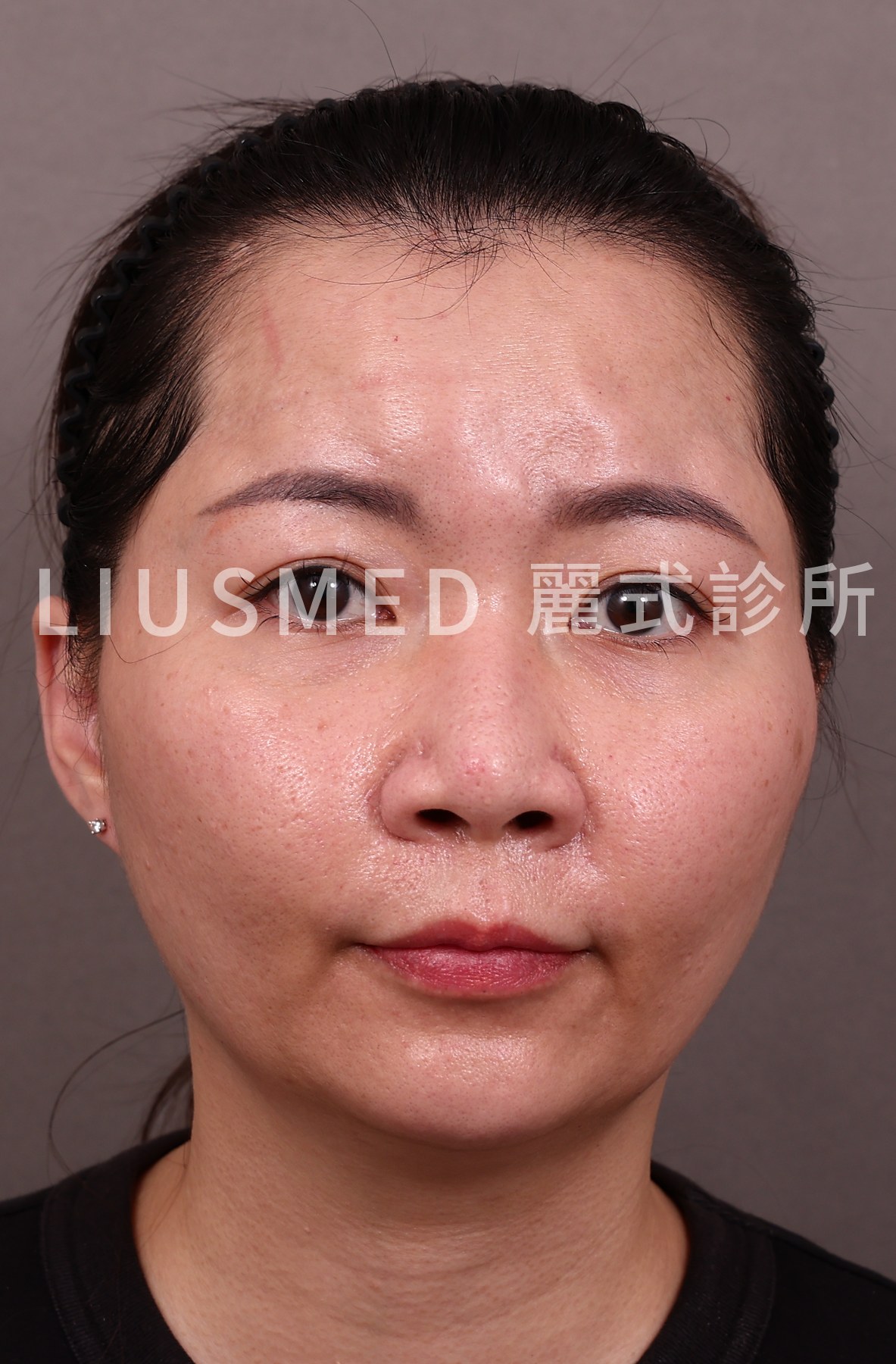
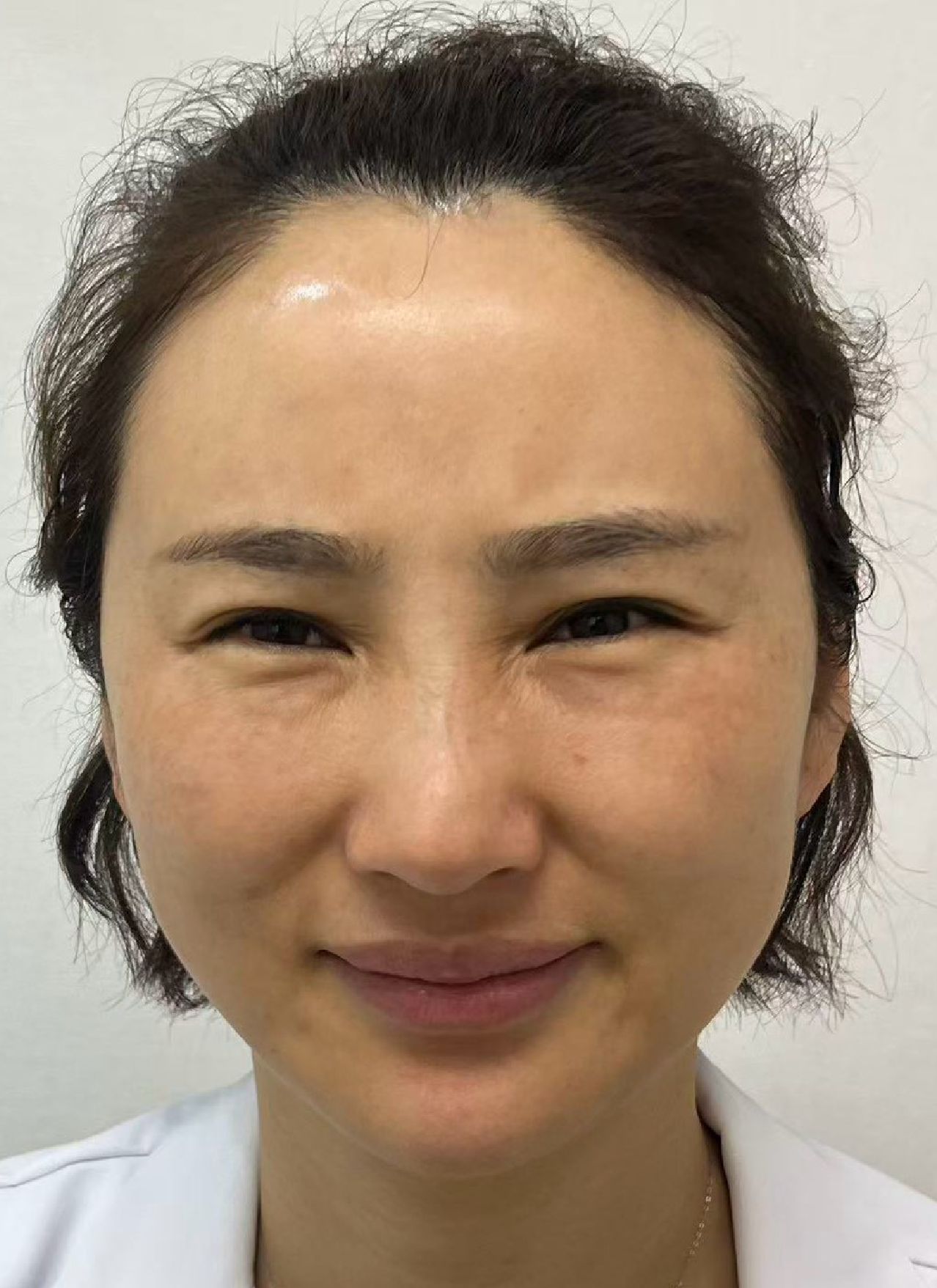
"My doctor said the silicone can't be fully removed — I either live with it or have major surgery with large incisions. Is there really nothing in between?"
This is one of the most common questions we hear. Liquid silicone, Aquamid, PAAG (polyacrylamide hydrogel), and Amazingel — collectively known as permanent fillers or non-biodegradable fillers — were widely used cosmetic injectables from the 1980s through the early 2000s. They promised long-lasting results. Decades later, they are resurfacing as hard lumps, migrating deposits, chronic inflammation, recurrent infection, and imaging interference.
The defining challenge: none of these materials can be dissolved by hyaluronidase or any other enzyme. The immune system cannot clear them. For years, patients heard only two options — accept the situation, or accept a major open surgery.
Neither answer tells the full story.
This article examines the actual extractability of each permanent filler type, based on clinical experience with ultrasound-guided minimally invasive extraction — and explains why "leaving it alone" carries its own set of escalating risks.
Silicone Removal Surgery: How Much of Liquid Silicone Can Actually Come Out?
Liquid silicone (polydimethylsiloxane) is one of the earliest permanent fillers and among the most challenging to manage. Its physical properties — low molecular weight, high fluidity — dictate both why it's difficult to remove and why "complete removal" is often the wrong treatment goal.
How Liquid Silicone Behaves in Tissue
After injection, silicone does not stay in place. It migrates along tissue planes, infiltrating the subdermal layer and between fascial planes, and tracking downward with gravity over years. Simultaneously, the body mounts a continuous immune response — macrophages attempt to engulf silicone droplets, but because the droplets are too small for complete phagocytosis, the reaction becomes a persistent foreign body giant cell response.
Delayed granulomas can appear 5 to 30 years post-injection, triggered by changes in immune function (infection, pregnancy, immunosuppressive drugs) or simply by aging tissue mechanics. Silicone that caused "no problems" for decades may suddenly become symptomatic.
Key Insight: On ultrasound, liquid silicone produces a characteristic "snowstorm sign" — scattered hyperechoic dots representing dispersed droplets. This pattern confirms the diagnosis and illustrates why single-session complete clearance is rarely achievable.
How Ultrasound-Guided Extraction Approaches Silicone
The traditional view that silicone "cannot be removed" derives from the outcomes of wide open excision — large incisions, significant tissue sacrifice, yet incomplete clearance. Ultrasound-guided minimally invasive extraction reframes the goal: not "complete removal" but "meaningful burden reduction, symptom resolution, and tissue preservation."
The process:
- Pre-operative ultrasound mapping: Full distribution mapping; marking primary deposits, vascular structures, and nerve pathways
- Targeted extraction by zone: 1–2 mm pinhole entry; micro-cannula contact with silicone deposits; negative pressure aspiration with physical compression
- Real-time ultrasound confirmation: Monitoring extraction volume and residual distribution during the procedure
- Staged protocol: Primary deposits targeted first; re-evaluation and a secondary session once the tissue has recovered
← Swipe to see more →
| Silicone Pattern | Ultrasound Appearance | Extraction Difficulty | Approach |
|---|---|---|---|
| Localized (nodular) | Clear hypoechoic nodule | Moderate | Fewer sessions; may still be staged depending on extent |
| Diffuse (infiltrative) | Snowstorm sign, indistinct margin | High | Staged; number varies |
| Granulomatous | Hyperechoic mass + surrounding fibrosis | High | Individual assessment |
Aquamid Removal: Can Polyacrylamide Hydrogel Be Cleared After Many Years?
Aquamid is the most recognized brand of polyacrylamide hydrogel (PAAG) in Western markets, composed of 2.5% cross-linked polyacrylamide and 97.5% water. Its key distinction from liquid silicone: Aquamid is a water-based gel, not an oil-based liquid. This chemical difference fundamentally changes its tissue behavior and extraction feasibility.
Why Aquamid Is Relatively Extractable
A 2010 paper in Plastic and Reconstructive Surgery (Wolter & Pallua) made a direct argument: "Removal of the Permanent Filler Polyacrylamide Hydrogel (Aquamid) Is Possible and Easy Even after Several Years" (Plast Reconstr Surg. 2010;126(3):138e-139e. PMID: 20811192). Its weight should be stated up front: it is a two-page case report (indexed by NLM as Case Reports), not a case series, and it carries no removal-success statistics.
The explanation the authors propose is that Aquamid's high water content limits tissue ingrowth and capsule formation. That is a proposed mechanism, not a statistically tested finding. In the absence of severe fibrosis or biofilm infection, Aquamid can be removed by:
- Manual expression through stab incision: A small puncture allows the gel to be expressed by external compression
- Ultrasound-guided needle aspiration: 16G needle precisely targets the gel deposit, with real-time confirmation of clearance
- Small incision under local anesthesia: For compartmentalized or septated gel collections
(These are approaches described in the literature. When we treat gel in the face or the breast, we likewise use only pinholes of about 2 mm and make no incisions; extensive or septated collections are treated zone by zone over several sessions.)
Key Insight: Years since injection are not the primary predictor of extractability. What that title claims is removal "even after several years" — not any particular number of years. What actually determines difficulty is whether the gel has merged with surrounding fibrosis or developed a biofilm infection.
But do not read "relatively extractable" as "it will come out." A series of 11 late-onset lip complications with the same material (Kästner S, Gonser P, Paprottka F, Kaye KO. Aesthetic Plast Surg. 2018;42(3):791-797. PMID: 29516176) reached the opposite conclusion: capsule formation is impaired, the product migrates and spreads through all three layers of the lip years after injection, and in those cases aspiration is not possible — complex labial reconstruction is required. Ten of the eleven ended acceptably; one developed severe upper-lip necrosis, and residual product within the mucosa had to be accepted. Same material, different site and complication pattern, and the difficulty is not comparable.
What Makes Aquamid Harder to Remove
Complications that dramatically increase extraction difficulty:
- Biofilm establishment: Aquamid's porous gel structure provides an ideal environment for bacterial biofilm formation. Post-infection material changes consistency — bacteria, necrotic tissue, and scar tissue merge with the gel, eliminating its flow properties
- Severe fibrous adhesion: Repeated inflammation drives fibrous ingrowth into the gel, creating a composite structure resistant to aspiration
- Extensive migration: Gel that has spread far from the original injection site requires multiple access points
Filler-associated biofilm swelling — recurrent localized swelling, warmth, and tenderness — is often the first clinical warning of Aquamid combined with biofilm infection. Early evaluation and extraction, before biofilm becomes entrenched, produces significantly better outcomes.
PAAG (Polyacrylamide Hydrogel): The Health Risk of Leaving It In Place
PAAG is the scientific abbreviation for polyacrylamide hydrogel. Aquamid is its best-known brand, but multiple manufacturers marketed this compound in Asian markets — including the Chinese brand Amazingel and others. Patients often don't know their brand, but the health risk framework is consistent across formulations.
The Acrylamide Monomer Problem
The intact cross-linked polyacrylamide polymer is relatively inert. The concern is degradation over time: the cross-linked structure slowly breaks down, releasing unpolymerized acrylamide monomer.
Acrylamide monomer has been classified by the International Agency for Research on Cancer (IARC) as a Group 2A probable carcinogen, with established neurotoxicity and confirmed carcinogenicity in animal models. Medical-grade PAAG fillers remaining in tissue indefinitely raise the theoretical concern of ongoing acrylamide release — a health consideration beyond cosmetic concerns alone.
Key Insight: Quantitative data on acrylamide monomer release from in-situ PAAG filler over decades remains limited. From a conservative clinical standpoint, patients with symptomatic PAAG or documented concerns about long-term health implications generally benefit from extraction when the procedural risk is manageable.
The Cumulative Cost of Recurrent Infection
Hard lumps and abnormal changes appearing years after injection are frequently the first visible sign of PAAG combined with chronic low-grade infection. Bacterial biofilm, once established within the gel matrix, is not effectively cleared by systemic antibiotics — the biofilm acts as a physical barrier preventing antibiotic penetration.
Each antibiotic course may suppress surface symptoms without eliminating the infection, creating a cycle:
- Infection enters dormancy
- Triggered again by immune suppression (illness, dental procedures, vaccination)
- Each recurrence increases local fibrosis and adhesion
- Progressive scarring makes future extraction more complex
Amazingel Removal: Managing the Banned Chinese Polyacrylamide Gel
Amazingel (奧美定, Aomeidin) refers to Chinese-market polyacrylamide hydrogel widely used for facial filling and breast augmentation. China's State Food and Drug Administration revoked its medical device license in 2006 due to severe complications.
Taiwanese patients typically encountered Amazingel in three contexts:
- Receiving treatment in mainland China before 2006
- Receiving injections from unlicensed sources in Taiwan
- Receiving treatment during medical tourism in China or Southeast Asia
Clinical Differences From Western-Market PAAG
Although the core compound is the same as Aquamid, several factors potentially complicate Amazingel management:
Purity variability: Analysis of non-regulated PAAG products, including some Amazingel batches, has identified higher proportions of unpolymerized acrylamide — indicating less stable gel structure, greater tendency to fragment and migrate.
Injection volume: Amazingel was frequently used in much larger volumes than facial Aquamid — breast augmentation volumes in particular — increasing the distribution area and extraction complexity.
Documented removal approaches:
- Small-incision aspiration (for mobile gel)
- Endoscope-assisted aspiration through periareolar incision (for breast PAAG)
- Direct visualization excision (for consolidated or heavily adherent deposits)
(These are documented in the literature. When we treat gel in the face or the breast, we likewise use only pinholes of about 2 mm, with no incisions or open excision; consolidated or heavily adherent deposits are treated zone by zone over several sessions.)
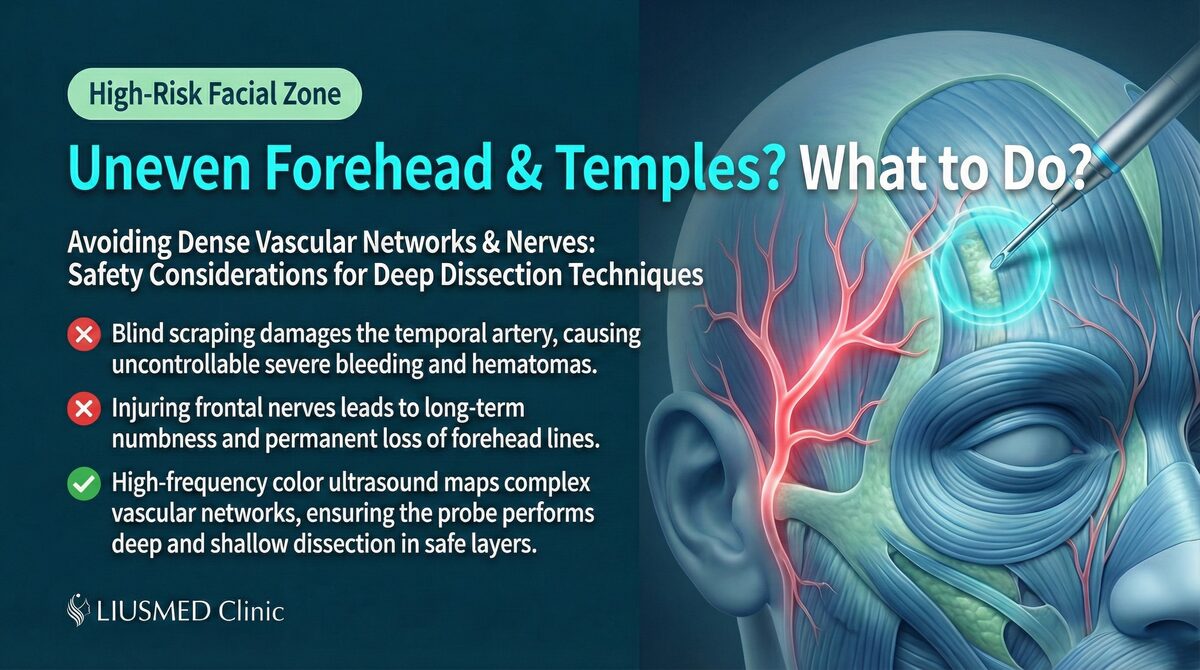
Key Insight: Facial Amazingel extraction requires particularly rigorous anatomical precision. The facial neurovascular architecture — facial artery, supraorbital vessels, facial nerve branches — demands real-time ultrasound guidance to identify and protect structures that blind dissection cannot reliably avoid. Clinics without intraoperative ultrasound capability should not be considered for facial permanent filler extraction.
Can Permanent Fillers Actually Be Removed? An Honest Material-by-Material Comparison
"Can be removed" and "can be completely eliminated" are different claims. Clinically, the relevant question is: can enough filler be extracted to resolve symptoms and reduce long-term health risk?
Four-Material Comparison
← Swipe to see more →
| Material | Extractable? | Difficulty | Primary Limitation | Recommended Approach |
|---|---|---|---|---|
| Liquid silicone | Yes, but rarely complete | High (diffuse) / Moderate (localized) | No defined margins, diffuse infiltration | Staged burden reduction |
| Aquamid/PAAG (uncomplicated) | Yes, relatively accessible | Low–Moderate | Fibrosis reduces gel mobility | Aspiration / pinhole extraction (about 2 mm, no incision) |
| PAAG (infected/fibrotic) | Yes, requires more aggressive approach | Moderate–High | Biofilm and scar tissue integration | Biofilm assessment before extraction |
| Amazingel (facial) | Yes, with ultrasound guidance | Moderate–High | Volume, anatomical sensitivity | Ultrasound-guided minimally invasive |
| Paraffin wax | Partial | High | Diffuse infiltration, calcification | Case-by-case assessment |
"Watching and Waiting" Carries Its Own Risk Profile
Some patients, asymptomatic, choose observation. This is understandable — but requires acknowledging the long-term profile of permanent filler retention:
- Persistent foreign body reaction: Immune stimulation from permanent filler continues even without visible symptoms
- Cumulative fibrosis: Subclinical annual inflammation progressively increases adhesion, making future extraction more complex
- Infection opportunity window: Any systemic immune compromise opens the window for acute infection of dormant biofilm
- Imaging interference: PAAG in breast tissue may compromise mammography or MRI accuracy, affecting cancer screening
- Delayed granuloma: Liquid silicone granulomas can appear 30 years post-injection — and tend to be more severe with longer tissue exposure
Key Insight: Extraction is technically more straightforward when tissue has not yet undergone extensive inflammatory scarring. Earlier intervention, while symptoms are still mild, preserves more options and reduces procedural risk.
See permanent filler extraction: techniques and patient guide and ultrasound-guided pinhole extraction explained for detailed procedural information.
You can also explore the full conditions overview for material-specific risk assessments. The filler lump physical extraction technique explains the single-pinhole approach in depth.
Frequently Asked Questions
How large are the scars from permanent filler removal?
Ultrasound-guided minimally invasive extraction uses a 1–2 mm pinhole, not an incision. The pinhole heals in about 2 weeks and is usually hard to see afterwards, though scarring still depends on the individual. Traditional wide excision requires 3–10 cm incisions with substantial visible scarring. This difference is one of the main reasons we work only through pinholes; extensive material is treated zone by zone over several sessions.
Is it true that Aquamid is "easy to remove"?
In uncomplicated cases without significant fibrosis or biofilm infection, Aquamid is relatively extractable — case reports document successful removal several years after injection. That ease has preconditions, though: in a series of 11 late-onset lip complications, impaired capsule formation and spread through all three tissue layers made aspiration impossible, and complex reconstruction was needed (PMID: 29516176). Once the gel has combined with biofilm infection, fibrotic adhesion, or extensive migration, difficulty increases considerably. The material's baseline extractability should not be assumed to apply to complicated cases.
How many sessions does silicone removal require?
It depends on distribution pattern. Localized silicone (distinct nodule) usually needs fewer sessions, though it may still be staged. Diffuse silicone (snowstorm sign pattern) needs staged removal; how many sessions varies from person to person, depending on the amount of filler, the degree of fibrosis and how far it has migrated, and the sessions are usually spaced 3 to 6 months or more apart so the tissue can recover. Complete elimination is not a realistic target — meaningful burden reduction and symptom resolution are the clinical endpoints.
I don't know how much Amazingel I had injected. How do I assess my situation?
High-resolution ultrasound — and MRI where indicated — can map the distribution and approximate volume of Amazingel even without knowing the original injection record. When seeking evaluation, communicate: injection site, approximate timeframe, and any history of infection or symptom changes. This gives the treating physician sufficient information to plan an assessment.
Book a Consultation
If you have a history of liquid silicone, Aquamid, PAAG, or Amazingel injection and are considering evaluation or extraction, Dr. Ta-Ju Liu provides comprehensive pre-procedure ultrasound assessment, extractability analysis, and individualized staged extraction planning.
You don't need to have decided on surgery to book. The assessment itself clarifies your options.
About the Author
Dr. Ta-Ju Liu
Specialties: Minimally invasive surgery, filler complication repair, ultrasound-guided extraction
Philosophy: "See it to safely treat it" — ultrasound guidance allows real-time identification of vascular structures, nerve pathways, and filler boundaries during extraction. For permanent filler removal, this principle matters more than in any other case type.