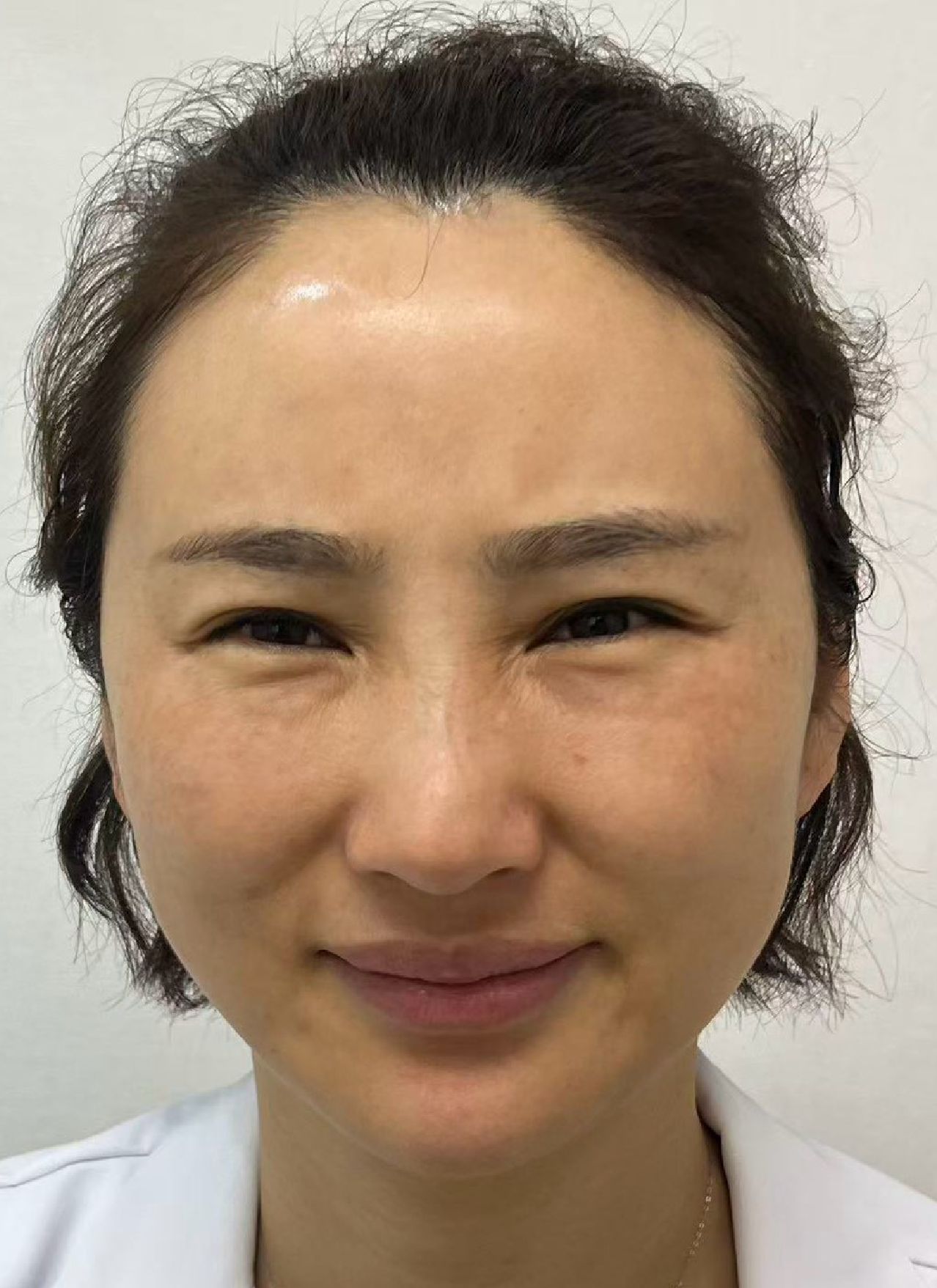
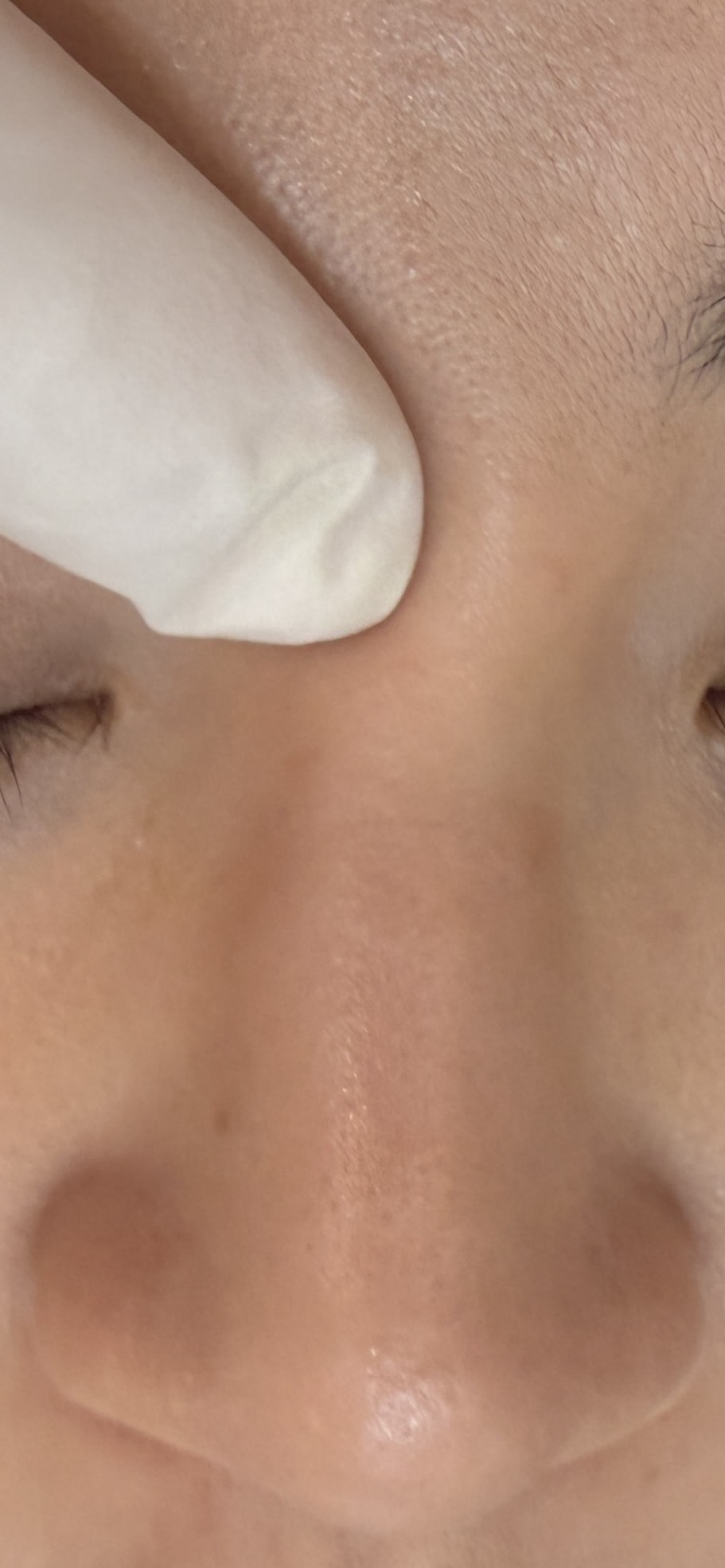
Why Are Decades-Old Cosmetic Injections Causing Problems Now?
"I was told the primary option for my silicone is a major surgery with large incisions and scarring. Is there really no other way?" At FILLER REVISION, permanent filler removal is one of our most critical specializations. Patients arrive after being told wide excision is their primary option — a prospect that frightens them because of the scarring and tissue sacrifice. In our experience, ultrasound-guided minimally invasive extraction is a viable, tissue-sparing alternative for many of these patients.
These substances — liquid silicone, PAAG (Polyacrylamide Hydrogel), paraffin wax, and other permanent fillers — were injected into the face, nose, chin, forehead, and even the chest decades ago, marketed as long-lasting beauty solutions. A comprehensive review of adverse reactions to injectable soft tissue fillers documented the full spectrum of permanent filler complications, from granulomas to tissue necrosis (Requena et al., 2011). Now, a growing number of patients are confronting serious complications: recurrent inflammation, filler migration, granuloma formation, and in severe cases, tissue necrosis.
Key Insight: At FILLER REVISION, we see this pattern regularly — permanent filler problems do not "fade with time." As tissues age, gravity takes effect, and the immune system fluctuates, complications from these materials tend to worsen progressively. Early intervention produces better outcomes than waiting.
Common Permanent Fillers and Their Risks
Material Comparison
← Swipe to see more →
| Material | Chemical Composition | Era of Use | Primary Risks | Dissolvable? |
|---|---|---|---|---|
| Liquid silicone | Polydimethylsiloxane | 1960s–2000s | Migration (Filler Migration), granuloma, chronic inflammation | No |
| PAAG (Amazingel) | Polyacrylamide hydrogel | 1990s–2000s | Infection, migration, toxic degradation | No |
| Paraffin wax | Mineral wax | 1900s–1960s | Paraffinoma, tissue necrosis | No |
| Artificial bone powder | Hydroxyapatite powder | 1990s–2010s | Mass formation, displacement | No |
The Unique Problem With Liquid Silicone
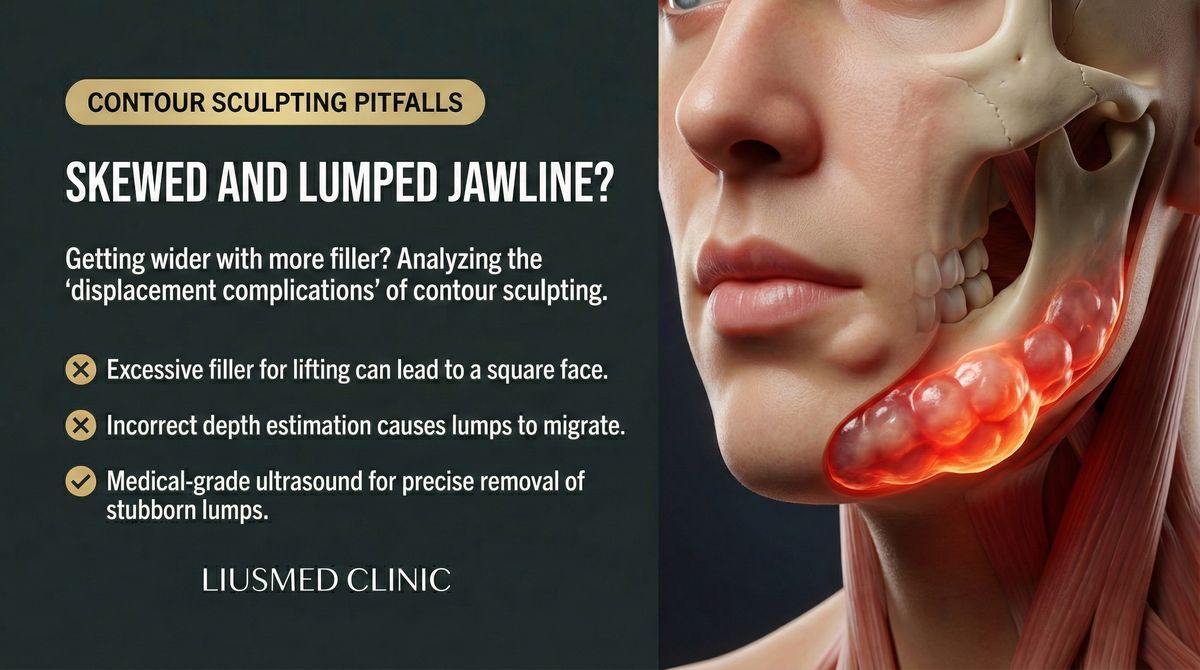
Liquid silicone is never absorbed by the body and does not form stable boundaries. Its properties make it one of the most difficult fillers to manage:
- No defined margins: Silicone infiltrates tissue spaces and becomes intermingled with normal tissue
- Chronic immune stimulation: Continuously activates macrophages and foreign body giant cell responses
- Delayed granulomas: Can appear 5–30 years after injection
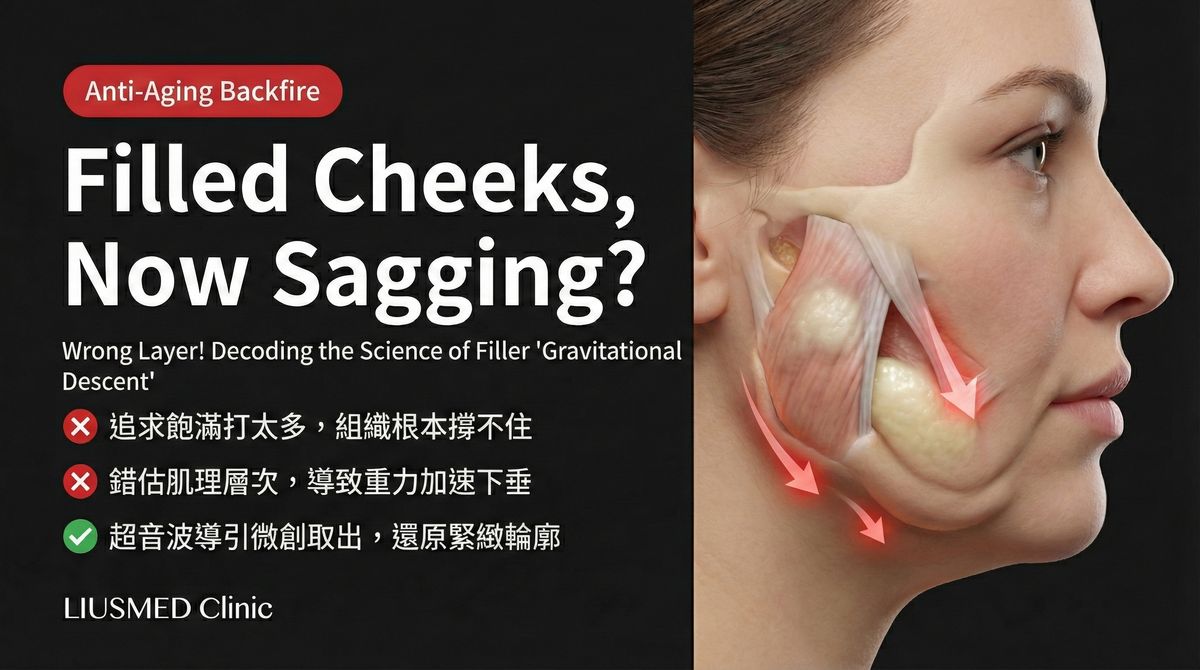
- Gravitational migration: Slowly tracks downward along tissue planes
The Dangers of PAAG
PAAG was widely used for breast augmentation and facial filling in mainland China before being banned due to severe complications. Its risks include:
- Bacterial colonization: The gel structure provides an ideal environment for microbial growth
- Toxic degradation: PAAG can degrade into acrylamide monomers, which are neurotoxic and potentially carcinogenic
- Diffuse infiltration: The gel can spread extensively through tissue planes
- Recurrent infection: Prone to reinfection even after antibiotic therapy
Key Insight: The danger of PAAG lies in its degradation products — acrylamide monomer has been classified by the International Agency for Research on Cancer (IARC) as a Group 2A probable carcinogen. Long-term retention is not a safe option.
Why Traditional Wide Excision Is Not the Best Approach
The Dilemma of Open Surgery
When faced with permanent filler complications, many surgeons instinctively recommend excision. However, wide surgical excision carries significant drawbacks:
← Swipe to see more →
| Issue With Traditional Surgery | Specific Impact |
|---|---|
| Large incisions | Visible facial scarring |
| Tissue sacrifice | Normal tissue removed along with filler |
| Facial depressions | Severe volume deficit possible after excision |
| Nerve damage risk | Wide dissection may injure facial nerves |
| Sutures | Large incisions need stitches and suture removal, and the scar takes time to fade |
| Incomplete removal | Material dispersed through tissue may still remain |
Why Doing Nothing Is Also Problematic
Some patients choose to coexist with their permanent fillers, but this carries ongoing risks:
- Continuous immune system stimulation by the foreign material
- Cumulative infection risk over time
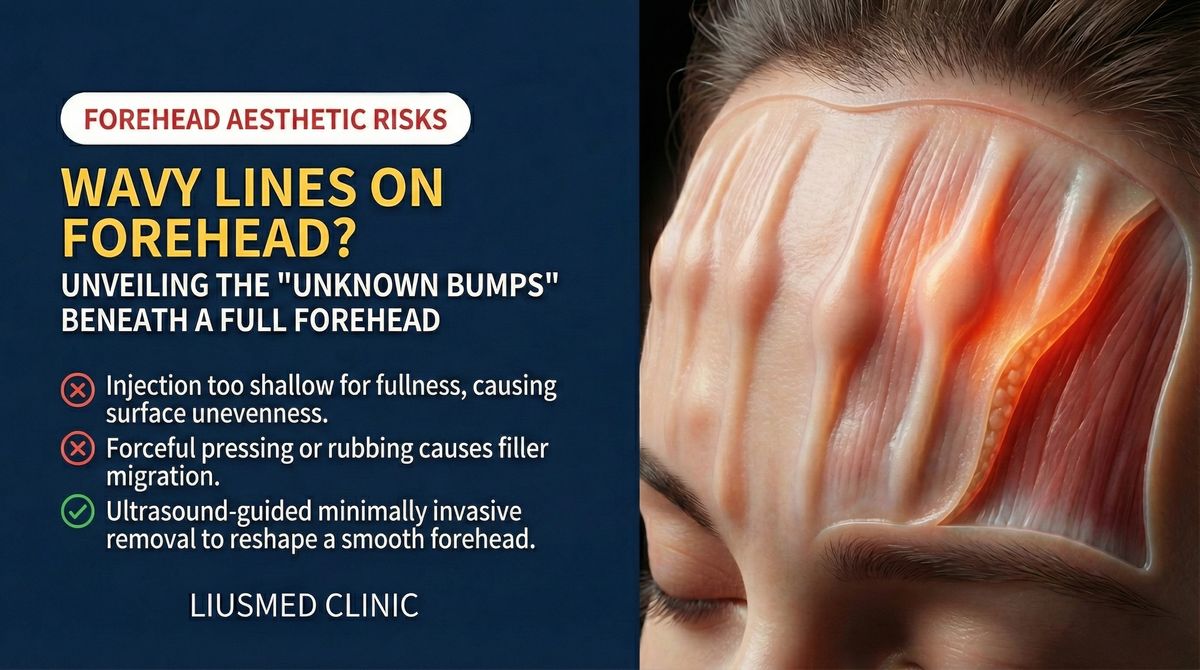
- Ongoing filler migration
- Tissue changes that may interfere with future medical imaging
- Psychological burden of persistent concern about filler status
Ultrasound (Ultrasonography)-Guided Minimally Invasive Extraction: The Precise Middle Path
Ultrasound Identification of Permanent Fillers
Different permanent fillers display distinct characteristics on ultrasound imaging:
← Swipe to see more →
| Filler Type | Ultrasound Appearance | Identification Difficulty |
|---|---|---|
| Liquid silicone | Scattered hyperechoic dots in a "snowstorm" pattern | Moderate (requires differentiation from normal tissue) |
| PAAG | Irregular hypoechoic areas, possibly septated | Relatively easy (gel contrasts well with tissue) |
| Paraffin | Irregular echogenic masses, possible calcification | Relatively easy |
| Artificial bone powder | Hyperechoic granular deposits | Easy |
Advantages of Minimally Invasive Extraction
Compared to traditional wide excision, ultrasound-guided minimally invasive extraction offers clear advantages:
← Swipe to see more →
| Factor | Traditional Excision | Ultrasound-Guided Extraction |
|---|---|---|
| Wound size | 3–10cm incision | 1-2mm pinhole |
| Normal tissue preservation | Poor | Maximized |
| Scarring | Visible | Usually hard to see (still depends on the individual) |
| Wound | Stitches and suture removal | Pinhole heals in about 2 weeks, no stitches |
| Nerve damage risk | Higher | Significantly reduced |
| Staged treatment | Poorly suited | Well suited (minimal burden per session) |
Staged Extraction Strategy
For permanent fillers — especially widely dispersed liquid silicone — staged extraction is often the safer approach:
First Session
- Complete ultrasound assessment and mapping
- Remove filler from primary concentration areas
- Evaluate tissue response
Interval Between Sessions
- Allow the tissue to recover; sessions are usually spaced 3 to 6 months or more apart
- Repeat ultrasound to assess remaining deposits
Subsequent Sessions
- Target residual deposits with refined extraction
- Continue ultrasound monitoring until clinical goals are met
Key Insight: Managing permanent fillers does not require achieving perfect removal in a single session. A staged, precise, minimally invasive approach removes as much as can be safely removed while minimizing tissue trauma.
When Wide Excision Seems Like the Primary Option: The FILLER REVISION Approach
Patients who reach FILLER REVISION with permanent filler complications have often been told that wide surgical excision — with its large incisions, tissue sacrifice, and visible scarring — is their primary path forward. At FILLER REVISION, we treat permanent filler cases using ultrasound-guided minimally invasive extraction as a tissue-sparing alternative. Real-time ultrasound visualization allows us to map the exact distribution of silicone, PAAG, or paraffin deposits and extract them through pinhole entries, preserving surrounding tissue that wide excision would sacrifice. For widely dispersed material, our staged extraction protocol removes filler progressively across multiple sessions, allowing tissue recovery between each stage. This approach aims for meaningful filler reduction without the incision scarring and tissue sacrifice of open surgery. It is still an extraction: swelling and bruising usually take about 2–3 weeks to settle, and the final result takes about 3 months.
Site-Specific Considerations
Face (Nose, Chin, Forehead, Temples)
The face is the most common injection site for permanent fillers. Extraction requires particular attention to:
- Facial nerve anatomy: Ultrasound identifies and avoids nerve pathways
- Vascular structures: Facial artery, supraorbital artery, and other vessels must be protected
- Skin thickness: Some areas (such as the nasal dorsum) have thin skin requiring careful technique
- Cosmetic placement: Pinhole entries are placed in concealed locations
Post-Procedure Care
- Ice application for 48 hours to reduce swelling
- Avoid vigorous exercise for one week
- Attend scheduled follow-up ultrasound appointments
- Return immediately for any increasing redness, pain, or fever
When to Seek Evaluation
If any of the following apply to you, professional evaluation is recommended as soon as possible:
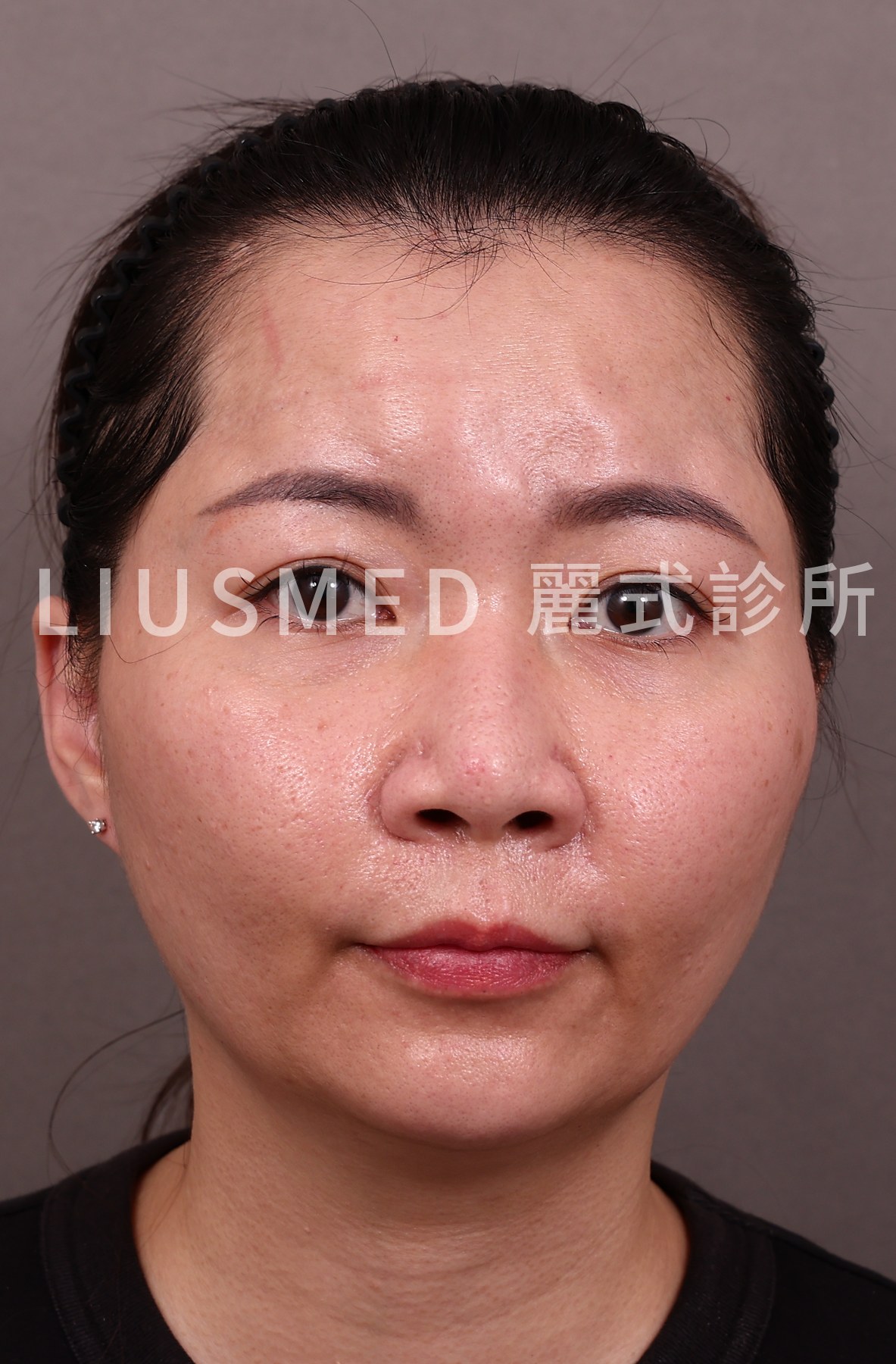
- You received cosmetic injections years ago with unknown materials
- The injection site shows recurrent redness, swelling, or inflammation
- You can feel hard lumps or sense that filler has shifted position
- The skin over the injection site has changed color or texture
- You are concerned about the long-term safety of permanent filler in your body
If you've already tried treatment for permanent filler complications without success — or been told wide excision is your primary option — FILLER REVISION specializes in exactly these cases. Our ultrasound-guided minimally invasive extraction provides a tissue-sparing alternative that removes material progressively while protecting your facial tissue.
Further reading:
- Why Fillers Migrate
- Minimally Invasive Filler Lump Extraction Technique
- Why Dissolving Enzymes Fail When Capsules Form
Frequently Asked Questions
Can liquid silicone or PAAG be dissolved with an injection or medication?
No. Permanent fillers like liquid silicone and PAAG cannot be dissolved by any enzyme or medication, so physical extraction is the primary removal method. At FILLER REVISION this is done through ultrasound-guided minimally invasive extraction rather than open surgery. Because the material does not break down on its own, it is mapped on ultrasound and removed directly.
I was told I need wide excision surgery. Is there a less invasive option?
There can be. Ultrasound-guided minimally invasive extraction uses a 1-2mm pinhole instead of the 3-10 cm cuts required by traditional wide excision, preserving surrounding tissue. It is still an extraction, so swelling and bruising are expected: they usually settle in about 2–3 weeks, the pinhole heals in about 2 weeks, and the final result takes about 3 months, varying from person to person. Nerve damage risk is also significantly reduced. This tissue-sparing alternative is one of FILLER REVISION's most critical specializations.
Will it all be removed in one session, or does it take multiple visits?
For widely dispersed permanent fillers like liquid silicone, staged extraction over multiple sessions is safer than single-session removal. Between sessions the tissue is allowed to recover (sessions are usually spaced 3 to 6 months or more apart), and ultrasound is repeated to assess remaining deposits. The goal is not perfect removal in one session but a staged, precise approach that removes as much as can be safely removed while minimizing tissue trauma.
My old injections aren't bothering me much right now — is it safe to just leave them?
Leaving permanent fillers in place carries ongoing risks. The article notes these complications do not fade with time; as tissues age, gravity takes effect, and the immune system fluctuates, problems tend to worsen progressively, and early intervention produces better outcomes than waiting. There is also a specific concern with PAAG, which can degrade into acrylamide monomer, classified by IARC as a Group 2A probable carcinogen, so long-term retention is a health risk beyond cosmetic concerns.
How does the doctor know where the filler is before removing it?
Real-time ultrasound visualization is used to map the exact distribution of silicone, PAAG, or paraffin deposits, since different fillers show distinct patterns on ultrasound — for example, liquid silicone appears as scattered hyperechoic dots in a snowstorm pattern. Ultrasound also identifies and avoids facial nerve pathways and protects vessels such as the facial artery during extraction. This mapping is what allows the material to be reached through small pinhole entries instead of a large open cut.
When should I get my old fillers evaluated?
Professional evaluation is recommended as soon as possible if you received cosmetic injections years ago with unknown materials, if the injection site shows recurrent redness, swelling, or inflammation, if you can feel hard lumps or sense the filler has shifted, if the overlying skin has changed color or texture, or if you are concerned about long-term safety. After any procedure, also return immediately for increasing redness, pain, or fever. FILLER REVISION specializes in assessing these older permanent filler cases.
About the Author
Dr. Ta-Ju Liu
- Current Position: Director, Liusmed Clinic
- Specialties: Minimally invasive surgery, filler complication repair, ultrasound-guided extraction
- Experience: 20 years of clinical minimally invasive surgery; 10,000+ minimally invasive procedures, including 5,000+ filler revision cases
- Philosophy: "The legacy of early cosmetic injections leaves many patients living with anxiety. They need to know that wide excision is not the primary path. Ultrasound-guided minimally invasive extraction allows us to gradually remove materials that should not remain in the body — while protecting facial tissue every step of the way."