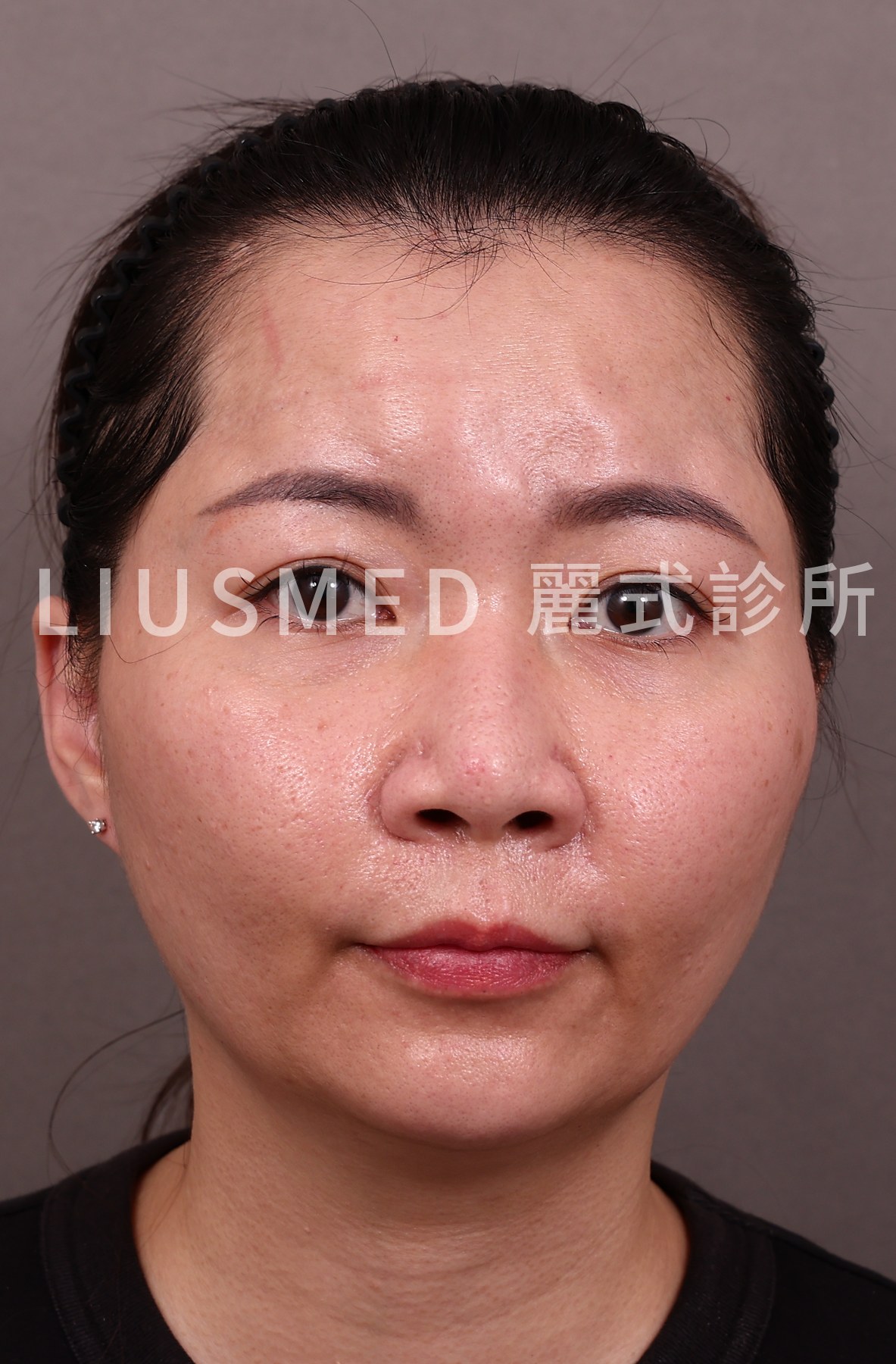
Ellansé (polycaprolactone, PCL) and Radiesse (calcium hydroxylapatite, CaHA) are among the most widely injected collagen stimulators worldwide — and they share one defining clinical challenge: there is no dedicated dissolving enzyme for either material.
When hyaluronic acid goes wrong, hyaluronidase offers a chemical reset. With PCL and CaHA, no equivalent exists. This leaves patients who develop lumps, asymmetry, or calcification nodules in a difficult position, often told to "wait and see" or that their problem "cannot be fixed."
That framing is only half the story. The gap between "no dissolving enzyme" and "no treatment option" is substantial — and ultrasound-guided physical extraction is a workable revision pathway across a wider range of cases than most patients or providers realise.
This article maps out, material by material, what is realistically achievable.
Ellansé vs Radiesse: How the Two Compare Before Anything Goes Wrong
Most people who search "Ellansé vs Radiesse" are choosing between them, not trying to get one out. The short answer: both are collagen stimulators, neither has a dissolving enzyme, and Ellansé is built to last longer, which is also what makes it harder to walk back.
← Swipe to see more →
| Ellansé (PCL) | Radiesse (CaHA) | |
|---|---|---|
| What it is | Polycaprolactone microspheres in a gel carrier | Calcium hydroxylapatite microspheres in a gel carrier |
| How long the trials followed it | Split-face trial: better than HA at 12 months (Galadari 2015; formulation not stated in the abstract). M: improvement sustained through 24 months (Moers-Carpi 2013). L and E durations are extrapolated from S and M data, not measured (de Melo 2017) | The FDA labeling states that safety and effectiveness beyond one year were not studied in its clinical trials. In an extension study, 40% of folds were still rated improved at 30 months or more (Bass 2010) |
| Dissolving enzyme | None | None |
| If a nodule forms | The fibrous capsule tends to thicken with time, so earlier assessment is easier | Very bright on ultrasound, so nodules are easy to locate |
Which one suits a given face is a question about the area, the goal and the injector, and it is outside what this article covers. For revision the trade-off is simple: the longer a material is designed to last, the longer a problem with it can last too.
Can Ellansé (PCL) Lumps Be Removed? What "No Enzyme" Really Means
If your lump only appeared a year after the injection, that is a delayed-onset nodule, which has its own article on why it forms and how to tell: Ellansé delayed-onset nodules.
How PCL Creates Lumps
Ellansé is composed of PCL (polycaprolactone) microspheres suspended in a CMC (carboxymethylcellulose) gel carrier, typically formulated as 30% PCL and 70% CMC.
The normal post-injection sequence:
- The CMC carrier is hydrolysed and absorbed within about 6–8 weeks
- The remaining PCL microspheres stimulate fibroblast proliferation, generating new collagen
- A soft fibrous network gradually encases the PCL spheres, creating the desired structural support
When injection technique fails, the problem is not the PCL chemistry — it is abnormal fibrosis:
- Superficial placement: PCL in the dermis or immediate subdermal layer, where metabolic clearance is slow, leading to a dense fibrous capsule forming around each sphere
- Localised overinjection: High-density PCL clusters that provoke exaggerated fibrosis, forming a palpable, well-defined nodule
- Uneven distribution: After CMC absorption, microspheres concentrate in pockets, producing a granular, irregular texture
- Delayed immune reaction: A minority of patients develop a hypersensitivity response months to years post-injection, triggering granulomatous inflammation
Key insight: The lump in Ellansé complications is fundamentally a fibrous capsule enclosing PCL microspheres — not a chemical property of PCL itself. Removal targets this capsule complex, not molecular dissolution of PCL. That is why "no approved enzyme" does not mean "no option."
2025 Exploration: Collagenase (Emerging and Contested)
In 2025, the Journal of Cosmetic Dermatology published a notable but still clinically contested approach: intralesional injection of a collagenase mixture for Ellansé M nodules (Wu L. J Cosmet Dermatol. 2025;24(5):e70201. PMID: 40296530).
What the paper actually did:
- Three patients, 10 nodules, all chronic lesions that had persisted an average of two years after the original Ellansé M treatment — not early, soft lumps
- The mixture was injected directly into the nodule through a 31G needle at five times the originally injected Ellansé volume. The ultrasound in the paper is pre-treatment diagnostic imaging; the injection itself was not ultrasound-guided
- In vitro, 0.1 mL of Ellansé M mixed with 0.5 mL of the collagenase mixture converted from gel to solution within five minutes; hyaluronidase, triamcinolone and lignocaine controls produced no change
One distinction matters here: the in vitro result shows that an Ellansé M sample as a whole was converted to solution — it does not establish that the PCL microspheres themselves were enzymatically degraded. The author's claim is that collagenase can serve as a fast-acting reversal agent for Ellansé, and that claim currently rests on case-report-level evidence.
This technique is not yet broadly accepted. A commentary published in the same journal raised explicit safety concerns about facial use — collagenase can cause vascular injury, severe bruising, and tissue necrosis, and the relevant collagenase product (approved only for cellulite) was withdrawn from the market in late 2022, making this an off-label application (PMID: 40667719); the original author replied defending the method using a recombinant collagenase and a larger case count (PMID: 41159276).
Our position: This clinic does not offer collagenase injection. The direction is worth watching, but the current evidence — a small case series and an expert debate — is not sufficient to recommend it as routine care. For mature, fibrotic nodules, this clinic continues to rely on the better-evidenced ultrasound-guided physical extraction.
Ultrasound-Guided Single-Pinhole Physical Extraction
For highly fibrotic nodules — particularly L- and E-type Ellansé, or cases where conservative management has failed — ultrasound-guided single-pinhole physical extraction is the more direct approach.
Dr. Ta-Ju Liu: "With extraction, what decides the result isn't whether it can come out, but whether the area is even afterwards. Before removing anything, I map the raised areas across the whole face and allow for how expression pulls on them, then reassess once the swelling has gone down. The aim is no more and no less than what needs to come out."
"See it to treat it safely" — ultrasound makes vessels, nerves, and capsule margins visible before the clinician acts, fundamentally changing the risk profile compared with blind manoeuvres.
Dr. Ta-Ju Liu: "Where I will operate, I will tell you how complete the removal can realistically be — in most cases the majority of the deposit, with the actual proportion set by how fibrotic it is. Where I will not, I will say so, and why."
How Ellansé Type Affects Difficulty
The molecular weight of PCL — and therefore the capsule maturity — differs by type:
← Swipe to see more →
| Type | Duration | PCL Mol. Weight | Capsule Thickness (clinical) | Conservative Response |
|---|---|---|---|---|
| S (1-year) | 12 months | Lowest | Thin, softens well | Relatively good |
| M (2-year) | 24 months | Moderate | Moderate | Collagenase: exploratory in the literature; not offered here |
| L (3-year) | 36 months | High | Thick, mature fibrosis | Limited; extraction indicated |
| E (4-year) | 48 months | Highest | Thickest | Limited; physical extraction often required |
Two caveats on this table. Only S and M have their own clinical trial data; the 3- and 4-year figures for L and E are extrapolated from S and M results and the way PCL degrades (de Melo 2017). And in Taiwan, the approved Ellansé licence covers S and M only.
Dr. Ta-Ju Liu: "In our own extraction cases, the capsule around M is already firm. What decides how hard a deposit is to deal with was never the number printed on the label."
For a detailed breakdown of how each Ellansé variant presents and is managed differently, see: Ellansé S, M, L — Complication Differences and Removal.
Ellansé Asymmetry After Injection: How Much Can Physical Revision Achieve?
What Causes Asymmetry
Asymmetry is the second most common reason patients seek revision after Ellansé, and its cause determines the correction strategy:
Technical causes:
- Unequal volumes between sides (a 0.1–0.3 ml difference can produce visible asymmetry)
- Depth inconsistency (a shallower side shows more immediate volumisation)
- Differential collagen induction: even with equal volumes, individual tissue variability causes unequal collagen production on each side
Material causes:
- During the CMC absorption phase (weeks 4–8), apparent volume changes unevenly, unmasking previously hidden differences
- Early PCL microsphere migration (facial expression or external pressure in the first month can shift product distribution)
Why "Add to the Deficient Side" Is Usually the Wrong First Move
Dr. Ta-Ju Liu: "With asymmetry, the instinctive fix is to add to whichever side looks short. But if the real problem is filler placed too shallow, or too much on one side, adding more just builds on the same mistake. I prefer to compare both sides on ultrasound first, reduce the side that has too much, and only talk about adding once things have settled."
With hyaluronic acid, adding to the thinner side is sometimes appropriate. With Ellansé, the logic is different:
Reasons to avoid immediate top-up of the deficient side:
- If the root cause is injection depth error, adding product to the same plane compounds the problem
- Collagen induction responses are unpredictable; an equal top-up may overshoot
- If early PCL migration caused the asymmetry, newly added product may migrate in the same way
The correct logic is subtraction first:
- Ultrasound bilateral comparison to confirm which side carries excess
- Precise extraction of the excess side
- About 3 months for the tissue to settle
- Only then consider whether targeted augmentation of the deficient side is warranted
Key insight: The first question in asymmetry revision is never "which side needs more?" — it is "which side has too much, and where exactly is the excess?" Bilateral ultrasound delivers the objective answer that palpation cannot.
Expected Outcomes by Asymmetry Type
← Swipe to see more →
| Asymmetry pattern | Physical extraction prognosis |
|---|---|
| Focal excess on one side (clear nodule/cluster) | Usually a clearer improvement; the aim is to get as close to symmetry as can be done safely |
| Diffuse excess (no discrete nodule, just more volume) | Good; targeted extraction reduces bulk |
| Differential collagen induction (no discrete excess) | Partial; extraction removes product but collagen production continues — monitor 3–6 months |
| Product migration cluster | Good once located under ultrasound |
Radiesse (CaHA) Calcification Nodules: What to Do
Clarifying "Calcification"
The phrase "Radiesse causes calcification" is widespread online, but it requires precision.
What CaHA actually is: Radiesse's active component is CaHA (calcium hydroxylapatite) microspheres — the same mineral found naturally in bone and teeth. When correctly injected, CaHA spheres are engulfed by macrophages and gradually metabolised, serving simultaneously as a collagen scaffold. This process is biodegradable and biocompatible by design.
What actually goes wrong:
- Superficial placement: CaHA spheres in the dermis, where macrophage clearance is insufficient, producing persistent palpable nodules
- Localised overinjection: High CaHA density in one area, exceeding clearance capacity, leading to a dense, well-defined aggregate
- Chronic granuloma: A minority of cases develop sustained foreign-body granulomatous reaction, producing a firm, warm, tender nodule
Why this matters for management: CaHA aggregates from injection errors are not pathological calcification in the clinical sense (not ectopic bone formation). Their management pathway — ultrasound-guided physical extraction — is correspondingly less radical than the term "calcification" might suggest.
Do Radiesse nodules go away on their own? Some do. A 2024 treatment algorithm for non-inflammatory CaHA accumulations starts at "Level 0": no intervention for nodules that can be felt but not seen, because they generally resolve as the material degrades, which the authors put at complete resorption within about 2.5 years (McCarthy et al. 2024). Two of its five authors are employees of Merz, the maker of Radiesse, and the other three are Merz speakers, trainers or consultants; the paper rates its own level of evidence as 4, so read it as an informed guide rather than proof. It also says the opposite for visible, symptomatic nodules: treat early, before much new collagen has formed. A nodule that is visible, growing, inflamed or still there well past the material's lifespan is not one to simply wait out.
A granuloma is a different problem. Nodules from superficial placement or overinjection are accumulations of microspheres, not an immune reaction, and the same algorithm says they should be distinguished from granulomas (McCarthy et al. 2024). For a true foreign-body granuloma (typically appearing after a latent period of several months, often at several injected sites at once), the literature's first-line treatment is intralesional corticosteroid, with surgical excision kept as a later option because granulomas grow into the surrounding tissue (Lemperle & Gauthier-Hazan 2009; Funt & Pavicic 2013). That is why the clinical picture and ultrasound come before choosing any technique.
Why Ultrasound Is Essential Before Any Intervention
CaHA microspheres are strongly hyperechoic on ultrasound — among the most sonographically visible of all injectable fillers. This property is an advantage for management:
- Precise nodule mapping: exact position, depth, and extent
- Inflammation assessment: a hypoechoic halo around the nodule suggests active inflammation, guiding whether to treat conservatively first
- Extraction monitoring: real-time confirmation of clearance
Plain radiograph (X-ray) can also demonstrate dense CaHA deposits, but provides no depth information and offers less diagnostic value than ultrasound for planning intervention.
Key insight: "It feels slightly firm" does not automatically require intervention. After ultrasound evaluation, many presentations turn out to be normal late-phase CaHA (no action needed), while some clinically inconspicuous cases reveal significant concentrated nodules requiring treatment. Imaging drives the decision, not palpation alone.
Dr. Ta-Ju Liu: "Radiesse shows up bright on ultrasound and is easy to find, one of the few things about it that helps with revision. But easy to find doesn't mean it has to be touched. Nodules you can feel but that don't affect how you look and have stopped changing, I tend to monitor. The ones that really need treatment are those that keep growing, keep flaring, or have already pushed the contour out of shape."
Does Sodium Thiosulfate Dissolve Radiesse?
A small number of off-label case reports describe sodium thiosulfate injection to chelate calcium from Radiesse deposits:
- Theoretically chelates calcium ions from CaHA
- No RCT evidence; only small case series
- Applicable only in a very narrow window: recently injected, uniformly distributed product before fibrous encapsulation has formed
- For mature, fibrotic CaHA nodules, the risk-benefit ratio is unfavourable
A 2024 review went further: in a controlled pig study it cites, thiosulfate did not break down the microspheres at all and carried a risk of necrosis and bleeding, so the authors do not recommend it as a reversal agent for CaHA (McCarthy et al. 2024). For fibrotic Radiesse nodules that haven't responded to conservative measures, ultrasound-guided physical extraction is the option to consider; the same algorithm places manual removal at its last level. For a full breakdown of Radiesse calcium deposit management, see: Radiesse Complications and Calcium Deposits.
Radiesse Nodule Management: A Complete Pathway from Conservative Care to Pinhole Extraction
Stage 1: Assessment and Classification (weeks 1–2)
Before any treatment, structured evaluation:
- Clinical history: injection date, anatomical zone, injector, symptom timeline
- Ultrasound evaluation: nodule location, fibrosis extent, rule out infection or vascular event
- Palpation correlated with imaging: consistency, mobility, fluctuance (suggesting fluid)
This stage determines which management branch to take; it cannot be skipped.
Stage 2: Conservative Management (up to about 3 months)
Appropriate for:
- Nodules within 3 months of injection (fibrosis not yet fully mature)
- Ultrasound-confirmed ill-defined margins with inflammatory activity
- Mild symptoms (palpable only, no pain)
Conservative options:
← Swipe to see more →
| Approach | Regimen | Indicated when | Caveats |
|---|---|---|---|
| Warm compress + gentle massage | Daily | Early, mild | Clinician-supervised technique; wrong pressure worsens |
| Triamcinolone acetonide | Dilute 2.5–5 mg q4–6 weeks | Inflammatory, moderate firmness | Limit total injections; atrophy risk |
| Oral NSAIDs | Short course | Acute inflammation | Does not alter fibrosis |
| Saline or sterile water injected into the nodule, with massage | In-office | Early, non-inflammatory accumulations | Disperses the microspheres; the 2024 algorithm's first-line level. Evidence is mainly small animal and clinical reports |
| Microneedling over the nodule | In-office | Superficial accumulations | Observational reports only |
Sodium thiosulfate is sometimes listed among conservative options. The 2024 algorithm left it out of its recommendations: in a controlled pig study it did not break down CaHA microspheres, and it carried a risk of necrosis and bleeding (see the thiosulfate section above).
Stage 3: Ultrasound-Guided Intervention
For conservative management that has not worked after about 3 months, or for clearly fibrotic nodules identified from the outset:
← Swipe to see more →
| Technique | Best indication | Expected outcome |
|---|---|---|
| Ultrasound-guided triamcinolone | Inflammatory type, moderate firmness | Variable; published results are inconsistent (Reddy 2012) |
| 5-FU combined with corticosteroid | Persistent nodules after first-line measures | Case reports only |
| Ultrasound-guided aspiration | Partially liquefied nodule on scan | Direct volume reduction |
| Ultrasound-guided single-pinhole extraction | Dense fibrotic type, large nodule, repeated conservative failure | Removes the material directly; how much comes out depends on how fibrotic it is |
These are options described in the literature. Which of them suit a particular nodule is decided after ultrasound, not from a table.
Stage 4: Zone-by-Zone, Staged Pinhole Treatment (minority of cases)
The following are more complex cases and are treated zone by zone over several sessions:
- Nodule continues to enlarge beyond 6 months despite intervention
- Signs of chronic infection: erythema, warmth, pain persisting > 3 months; ultrasound shows fluid collection or air bubbles (biofilm signature). With infection or biofilm, the infection is controlled first (with drainage if needed), and pinhole extraction is scheduled afterwards.
- Nodule size is too large to clear in a single session
We do not perform surgical excision; these cases are still treated through pinholes of about 2 mm.
Key insight: The majority of Radiesse nodules do not require open surgery. Ultrasound-guided minimally invasive removal covers many moderate-to-severe presentations.
Ellansé Complications: Staging, Timing, and Management Choices
Understanding the clinical stage of an Ellansé complication determines the correct management approach.
Acute Phase (0–4 weeks)
- Marked swelling, erythema, pain beyond normal post-procedure reactions
- Priorities: rule out vascular event (skin blanching, dusky discolouration, progressive necrosis → immediate emergency management) and infection (spreading erythema, fever)
- If confirmed inflammatory only: oral anti-inflammatories, cold compress; avoid heat and pressure
Early Fibrotic Phase (1–3 months)
- Palpable firmness with residual elasticity
- CMC largely absorbed; PCL microspheres in active fibrotic encapsulation
- Best conservative window: Triamcinolone and gentle massage are most effective here, before the capsule matures (collagenase remains investigational and contested and is not offered here; note also that the 2025 case series treated nodules that had persisted about two years, not lesions at this stage — see above)
- Start ultrasound evaluation to establish baseline
Chronic Fibrotic Phase (> 3 months)
- Well-defined, firm, low-elasticity nodule
- Ultrasound: hyperechoic nodule with thick fibrous wall
- Conservative efficacy limited; extraction indication becomes clear
- Delay compounds difficulty — capsule thickens with time
Delayed Immune Reaction (6 months to 2 years post-injection)
- Previously stable injection site develops new erythema and swelling
- Common triggers: viral illness (including COVID-19), vaccination, dental procedure
- Management: address immune trigger simultaneously; Triamcinolone ± antiviral/anti-inflammatory therapy
- Tends to respond better to Triamcinolone than chronic fibrotic nodules
Management Decision Summary
← Swipe to see more →
| Presentation | Stage | Key investigation | First-line approach |
|---|---|---|---|
| Swelling, erythema, pain | Acute | Rule out vascular event | Anti-inflammatory; urgent if vascular |
| Soft firmness, elastic feel | 1–3 months | Ultrasound | Triamcinolone + massage |
| Firm nodule, defined margins | > 3 months | Ultrasound | Guided extraction |
| Asymmetry | Any | Bilateral ultrasound | Subtraction from excess side |
| New flare (stable site) | > 6 months | Ultrasound + immune assessment | Treat trigger + Triamcinolone |
| Growing nodule + pain | Any | Urgent ultrasound | Rule out infection/biofilm; control infection first, then assess zone-by-zone, staged pinhole extraction |
For a more detailed examination of whether Ellansé can be removed and the biological basis, see: Can Ellansé Be Removed?
Ellansé vs Radiesse Revision: Side-by-Side Comparison
Both materials share the foundational principle: visualise before you intervene. The differences in material properties shape how each is managed.
← Swipe to see more →
| Dimension | Ellansé (PCL) | Radiesse (CaHA) |
|---|---|---|
| Dissolving enzyme | None (no PCL-specific enzyme) | None (thiosulfate off-label, limited) |
| Ultrasound visibility | Hyperechoic; locatable | Strongly hyperechoic; easiest filler to find |
| Main conservative option | Triamcinolone (collagenase is an exploratory option in the literature; not offered here) | Triamcinolone; warm compress |
| Fibrosis progression | Increases with type (S < M < L < E) | Depends on injection depth and volume |
| Extraction indication | L/E type; fibrotic; conservative failure | Dense fibrotic; conservative failure after about 3 months |
| Extraction technical notes | PCL spheres small; the capsule complex is removed as fully as is safe | Strong US signal aids precision |
| Natural degradation | 1–4 years (type-dependent) | CaHA persists up to about 2 years; complete resorption within about 2.5 years (McCarthy 2024) |
| Delayed immune reaction | Uncommon | Uncommon; COVID-era cases noted |
For the complete knowledge framework covering all collagen-stimulating fillers, see the pillar article: Collagen Stimulator Complications: Complete Overview.
FAQ
Will Ellansé lumps resolve on their own?
Early nodules within 1–3 months — soft, elastic, without defined margins — sometimes soften as CMC is absorbed, and gentle massage may help. But nodules that persist beyond 3 months with well-defined margins have a mature fibrous capsule; spontaneous resolution is unlikely. Waiting typically means a thicker capsule and harder management later. Ultrasound assessment followed by a planned approach is strongly preferable to indefinite observation.
Is Radiesse removal the same procedure as HA filler removal?
No. Hyaluronic acid has a dedicated enzyme (hyaluronidase) that chemically dissolves it — a drug injection. CaHA has no equivalent enzyme; physical extraction is the primary intervention. Both can be performed under ultrasound guidance, but the tools, technique, and tissue interactions differ. Interestingly, CaHA's strong hyperechoic signal makes Radiesse nodules among the easiest to locate precisely under ultrasound, which partially offsets the lack of chemical dissolution.
Will removing Ellansé cause sagging or hollowing?
Extraction is designed for precision — targeting the nodule complex while limiting disturbance to the surrounding tissue. Ultrasound guidance helps keep the procedure localised to the identified target. The pinhole is small, but this is an extraction, so swelling and bruising are expected; they usually settle in about 2–3 weeks, and the final result takes about 3 months, varying from person to person. The aim is to leave no new depression behind. In cases where the original injection created an overfilled appearance, extraction often restores a more natural contour. The real point is not merely "no sagging" but an even result — leaving no new dents or ridges. Removal done without enough control often turns a single lump into a whole uneven surface, which simply creates a different problem. The cross-disciplinary hand-feel Dr. Liu internalized over years of underarm rotary-blade surgery, liposuction and fat grafting, and the repair of failed liposuction is exactly what keeps the result even and precise — removing only what is needed, allowing for how expression moves the tissue. For the many patients who had material removed elsewhere yet were left uneven and came back for help, this is the difference that matters most.
Is Radiesse better than Ellansé?
Neither is better in general. They are both collagen stimulators without a dissolving enzyme. Radiesse's FDA labeling covers trial data up to one year, and an extension study still saw some improvement at 30 months; Ellansé M showed sustained improvement through 24 months in its trial, and the longer L and E durations are extrapolated rather than measured. The longer a material is designed to last, the longer any problem with it can last too.
Do Radiesse nodules go away on their own?
Small nodules that can be felt but not seen often do, as the material degrades; a 2024 algorithm puts complete resorption within about 2.5 years. Visible, growing, painful or inflamed nodules are a different matter and should be assessed with ultrasound rather than waited out.
If the nodule is large or infected, will it be switched to open surgery?
No. We do not perform open surgery. With a large liquefied collection and chronic infection, or biofilm causing recurrent inflammation, the infection is controlled first; when a nodule is too large to clear in one session, it is treated zone by zone over several sessions through pinholes of about 2 mm. Many moderate-to-severe cases are also handled with ultrasound-guided pinhole extraction, removing as much as can be done safely; 100% removal is not guaranteed, and the goal is as much improvement as possible.
References
- Galadari H, van Abel D, Al Nuami K, et al. A randomized, prospective, blinded, split-face, single-center study comparing polycaprolactone to hyaluronic acid for treatment of nasolabial folds. J Cosmet Dermatol. 2015;14(1):27–32. PMID: 25564797.
- Moers-Carpi MM, Sherwood S. Polycaprolactone for the correction of nasolabial folds: a 24-month, prospective, randomized, controlled clinical trial. Dermatol Surg. 2013;39(3 Pt 1):457–463. PMID: 23350617. (40 patients across two formulations; PCL-2 sustained improvement over 24 months.)
- de Melo F, Nicolau P, Piovano L, et al. Recommendations for volume augmentation and rejuvenation of the face and hands with the new generation polycaprolactone-based collagen stimulator (Ellansé). Clin Cosmet Investig Dermatol. 2017;10:431–440. PMID: 29184426. (L and E durations extrapolated from S and M data.)
- Bass LS, Smith S, Busso M, McClaren M. Calcium hydroxylapatite (Radiesse) for treatment of nasolabial folds: long-term safety and efficacy results. Aesthet Surg J. 2010;30(2):235–238. PMID: 20442101. (Extension study; 40% of folds improved at ≥30 months, with retreatment offered at 6–12 months.)
- US FDA. RADIESSE instructions for use, PMA P050052 (2006): long-term safety and effectiveness beyond one year not investigated in clinical trials.
- McCarthy AD, van Loghem J, Martinez KA, et al. A Structured Approach for Treating Calcium Hydroxylapatite Focal Accumulations. Aesthet Surg J. 2024;44(8):869–879. PMID: 38366791. (Level 0–3 algorithm for non-inflammatory CaHA nodules; two authors employed by Merz, the other three Merz speakers or consultants; level of evidence 4.)
- Lemperle G, Gauthier-Hazan N. Foreign body granulomas after all injectable dermal fillers: part 2. Treatment options. Plast Reconstr Surg. 2009;123(6):1864–1873. PMID: 19483588.
- Funt D, Pavicic T. Dermal fillers in aesthetics: an overview of adverse events and treatment approaches. Clin Cosmet Investig Dermatol. 2013;6:295–316. PMID: 24363560.
- Reddy KK, Brauer JA, Anolik R, et al. Calcium hydroxylapatite nodule resolution after fractional carbon dioxide laser therapy. Arch Dermatol. 2012;148(5):634–636. PMID: 22351789. (Notes that intralesional triamcinolone, massage, needling and excision have inconsistent results or scarring risk.)
- Wu L. J Cosmet Dermatol. 2025;24(5):e70201. PMID: 40296530; commentary PMID: 40667719; author reply PMID: 41159276.
Starting a Revision Assessment
For Ellansé or Radiesse complications — lumps, asymmetry, calcification, or recurring inflammation — revision planning always begins with ultrasound evaluation to characterise the nodule, rule out serious complications, and map a personalised treatment strategy.
No clinician can give you a meaningful answer before imaging. "See it to treat it safely" is not a slogan — it is the operating principle.
To schedule a revision consultation with Dr. Ta-Ju Liu: Book a Consultation
For an overview of the full filler revision service: Filler Revision Service
For the complete treatment methodology index: Treatment Overview
Editorial review: Dr. Ta-Ju Liu, Filler Revision Clinic