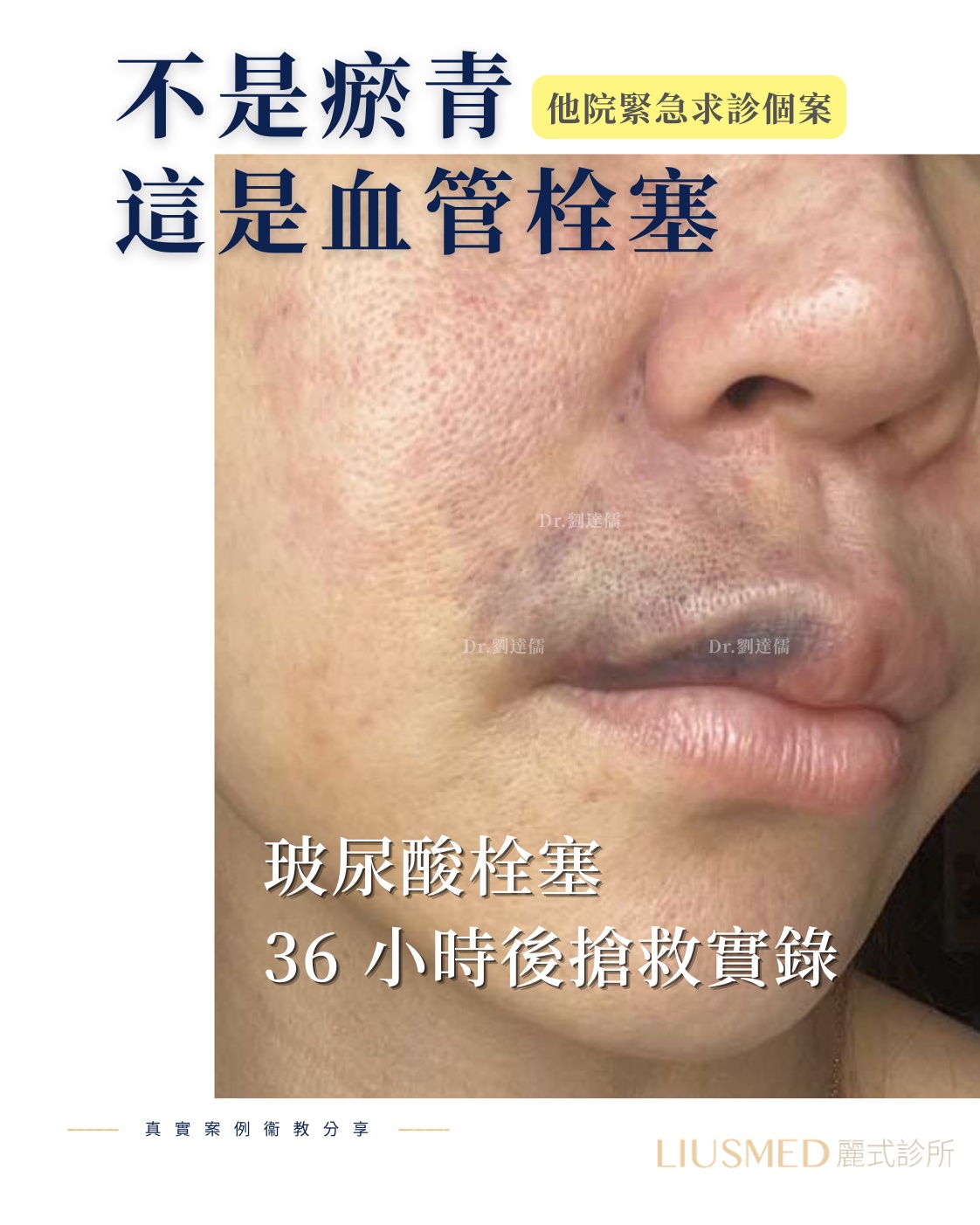
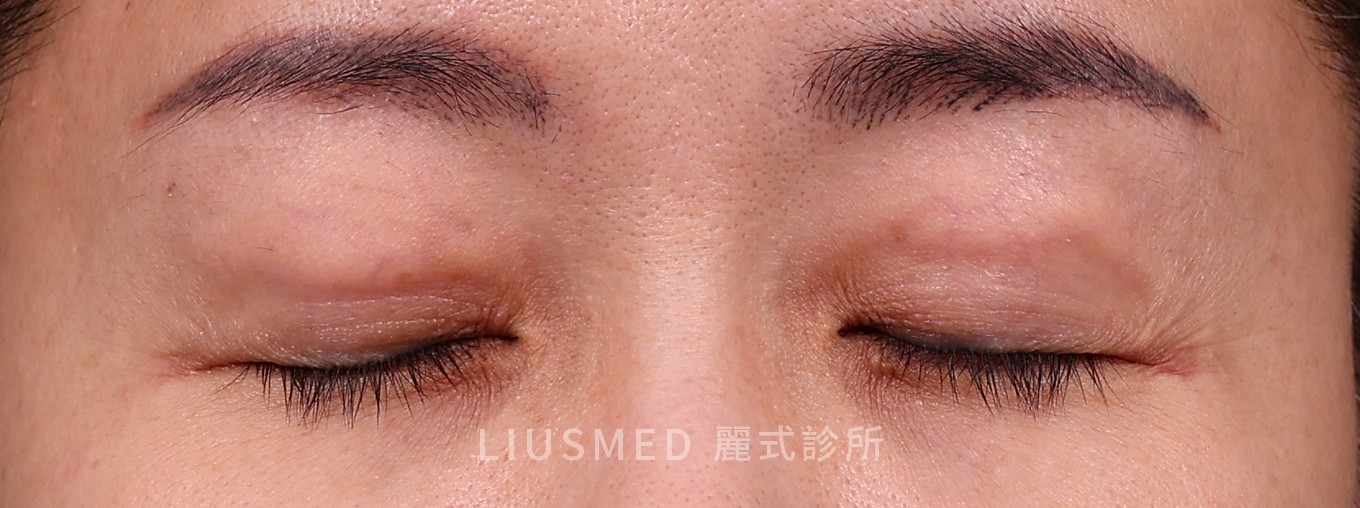
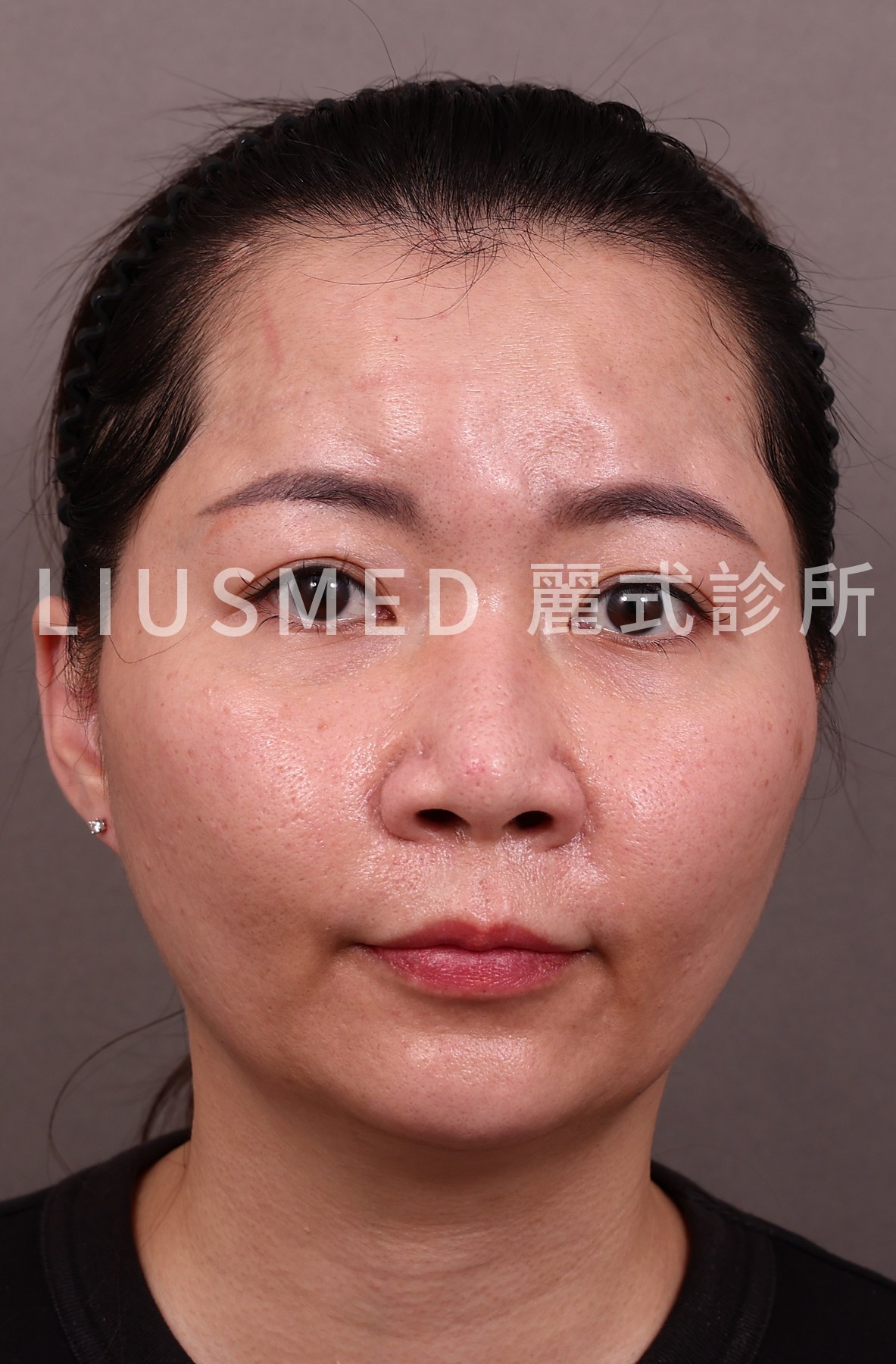
Ten days after dissolving, the lips are thinner than they were before any filler, the upper lip seems longer, the corners have turned down, and when you close your mouth it pulls slightly to one side. This is the point where a lot of people start to regret it, and start wondering whether the lips will bounce back if they just wait.
Let me put the hard part first. The room for recovery after dissolving is limited. Some of it comes back, and some of it doesn't. This guide is about telling which one you're dealing with, how long it takes to know, and what to do and not do in the meantime.
Dissolving has its place, for example when filler was put in the wrong spot or has migrated. This guide is about the problems that show up afterwards.
Why lips can look looser and longer than before filler
There are two common causes, and they point in slightly different directions.
The first is dissolving too much. Hyaluronidase can't tell the hyaluronic acid (HA) that was injected from the HA your lips already had, so it breaks down both. Lip tissue is thin, so losing some of its own share shows straight away: the lips flatten and soften, and they lose the shape they used to have when you pout. If the two sides lost different amounts, the lips may pull to one side when closed. Why hyaluronidase damages your own tissue is explained in full in Repeated Hyaluronidase: Why Dissolving Thins & Damages Skin.
The second is filler that held the lips stretched for years. After a long time, removing it reveals the lips as they've become over those years, which isn't the same as the lips you had before the first injection. In 2024, a team at Moorfields Eye Hospital in the UK reviewed 90 patients who had hyaluronidase around the eyes. Hollowing after dissolving was linked to how long the filler had been in and how much had been injected, not to the concentration of the enzyme (Wilde et al., Plast Reconstr Surg Glob Open 2024, PMID 38655103). That study looked at the eye area, not the lips, but the principle carries over.
Two or three rounds of dissolving, each with a modest amount, usually won't make the lips collapse. The problem is usually the amount dissolved.
How much comes back: look at two weeks first
The first few days after dissolving are swollen, and you can't judge much. Things usually look a little better after two weeks, and that's when what you see starts to mean something.
If volume still hasn't come back at two weeks, it may not come back. Waiting several more months usually won't bring back the original shape. Lips that have collapsed sometimes don't fill back in for months, and at that point it's worth considering adding something back.
Key Insight: Two weeks after dissolving is the first checkpoint. If volume hasn't returned by then, don't pin everything on waiting longer. That's the time to start weighing whether to refill.
Downturned corners and lines around the mouth: two sources
Downturned corners and new fine lines around the mouth can come from either of the causes above. Sometimes dissolving itself has taken away local volume. Sometimes filler held things up for years, and removing it shows ageing that was already there.
The two are handled differently, and the choice depends on how large and how severe the loss is. A small local loss and a broad loss of volume need different methods and different amounts. When a lot of volume has been lost, I lean towards fat, because the result tends to last longer.
What to avoid now, and what's fine
The one thing that matters most: don't add more hyaluronidase. The lips are already thinner, and dissolving again mostly takes what's left of your own tissue.
Most other things are fine.
← Swipe to see more →
| What you want to do | OK? | Notes |
|---|---|---|
| Another round of hyaluronidase | No | The lips are already looser and thinner; dissolving again mostly hits your own tissue |
| Massage | Fine | It won't hurt, but it makes little difference to recovery |
| Red light | Fine | In my experience it may even help a little |
| Refill at 2–3 weeks | Can be considered | See the next section |
What can be added back at two to three weeks
At two to three weeks after dissolving, the swelling is down and you can see clearly, so refilling can be assessed.
There are two common options. One is nanofat: fat taken from your own body and processed to a very fine texture, then placed where volume was lost. The other is a small amount of HA, placed only where it's needed.
← Swipe to see more →
| Small amount of HA | Fat (including nanofat) | |
|---|---|---|
| Better suited to | A small local loss, or a small first adjustment | A larger loss of volume |
| How long it lasts | Gradually breaks down and needs topping up | Tends to last longer |
| Before refilling | Wait two to three weeks for swelling to settle, then assess | Same |
What to use and how much depends on the size and location of the loss, and needs an in-person assessment. If the original problem was a lump and the lips changed shape after removal, the timing is different. Reshaping after removal is covered in Lip Filler Extraction and Reshaping.
Still there after three rounds: get an ultrasound first
If filler is still there after three rounds of dissolving, the problem usually isn't too little enzyme. The filler may have been walled off by the body, it may not be HA at all, or it may have moved outside the layer where it was injected. Another blind round mostly dissolves the tissue around it.
The next step is to look with ultrasound: how much is left, which layer it's in, and whether it's encapsulated. Once you can see it, the dissolving can be aimed precisely at that spot instead of treating the whole area again. Hyaluronidase should only be used after an in-person assessment by a doctor. Removal is only considered when it truly won't dissolve.
The common reasons hyaluronidase fails are in Hyaluronidase Not Working? 7 Reasons It Fails, and why a capsule blocks the enzyme is in Encapsulation: Why Dissolvers Failed.
Key Insight: If filler is still there after three rounds, change the method, not the dose. Find it with ultrasound first, then decide how to dissolve it, and only remove it if it won't dissolve.
Frequently asked questions
My lips are loose after dissolving. Will they recover?
Partly, but the extent is limited. Things usually look a little better after two weeks. Volume that hasn't come back by then may not come back. Lips that have collapsed sometimes don't fill back in for months, and that's when to start considering a refill.
How soon can I refill my lips after dissolving?
Usually at two to three weeks, once the swelling is down and you can see clearly. Nanofat or a small amount of HA are both options. When a lot of volume has been lost, fat tends to last longer.
My mouth corners turned down and I have lines around my lips after dissolving. What can I do?
There are two possibilities: dissolving took away local volume, or filler held the lips up for years and removing it revealed ageing that was already there. The approach depends on how much has been lost and how severe it is. When the loss is larger, fat is usually considered.
Can I massage or use red light after dissolving?
Yes. Massage won't hurt, but it makes little difference to recovery. In my experience red light may even help a little. What you really need to avoid during this time is more hyaluronidase.
I've dissolved three times and can still feel filler. Is the hyaluronidase not strong enough?
Usually not. The filler may be encapsulated, may not be HA, or may have moved. First confirm with ultrasound how much is left and which layer it's in, then decide how to dissolve it precisely. Removal is only considered if it truly won't dissolve.
Finding out how much you can still recover
If it's been more than two weeks since dissolving and volume hasn't come back, or you've dissolved several times and can still feel filler, start with an in-person assessment and an ultrasound to confirm what's left. Then you can decide whether to wait, refill, or deal with the residue. You can read about our filler repair assessment or start with booking a consultation.