The "Let Us Try Another Round" Trap
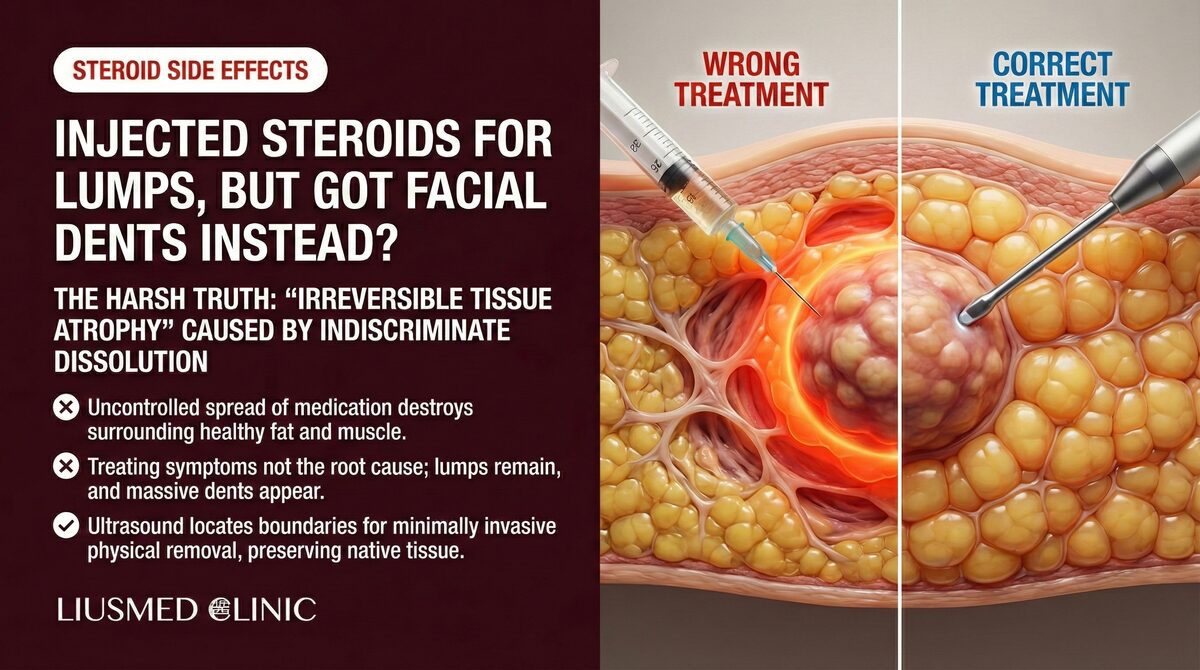
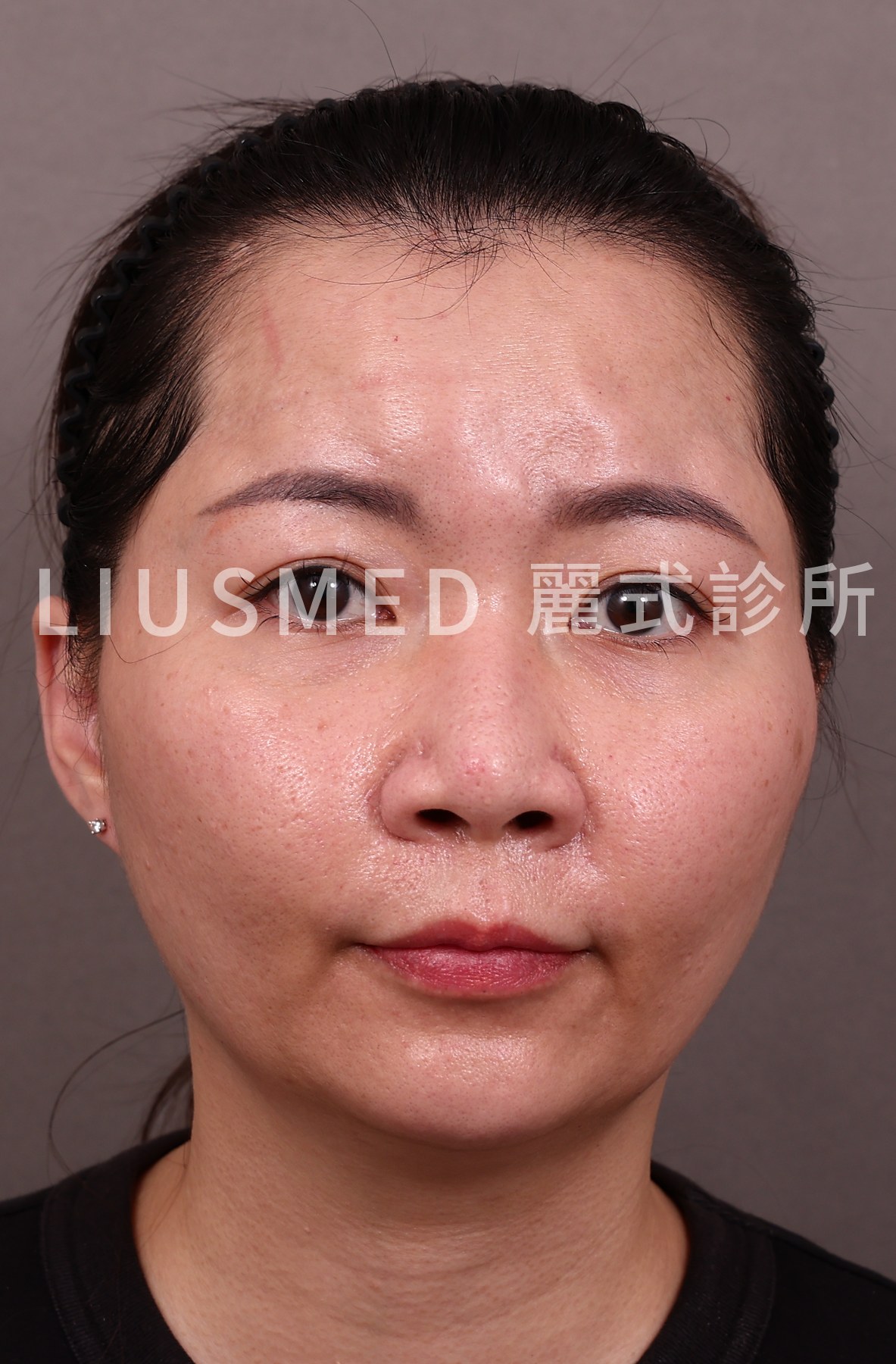
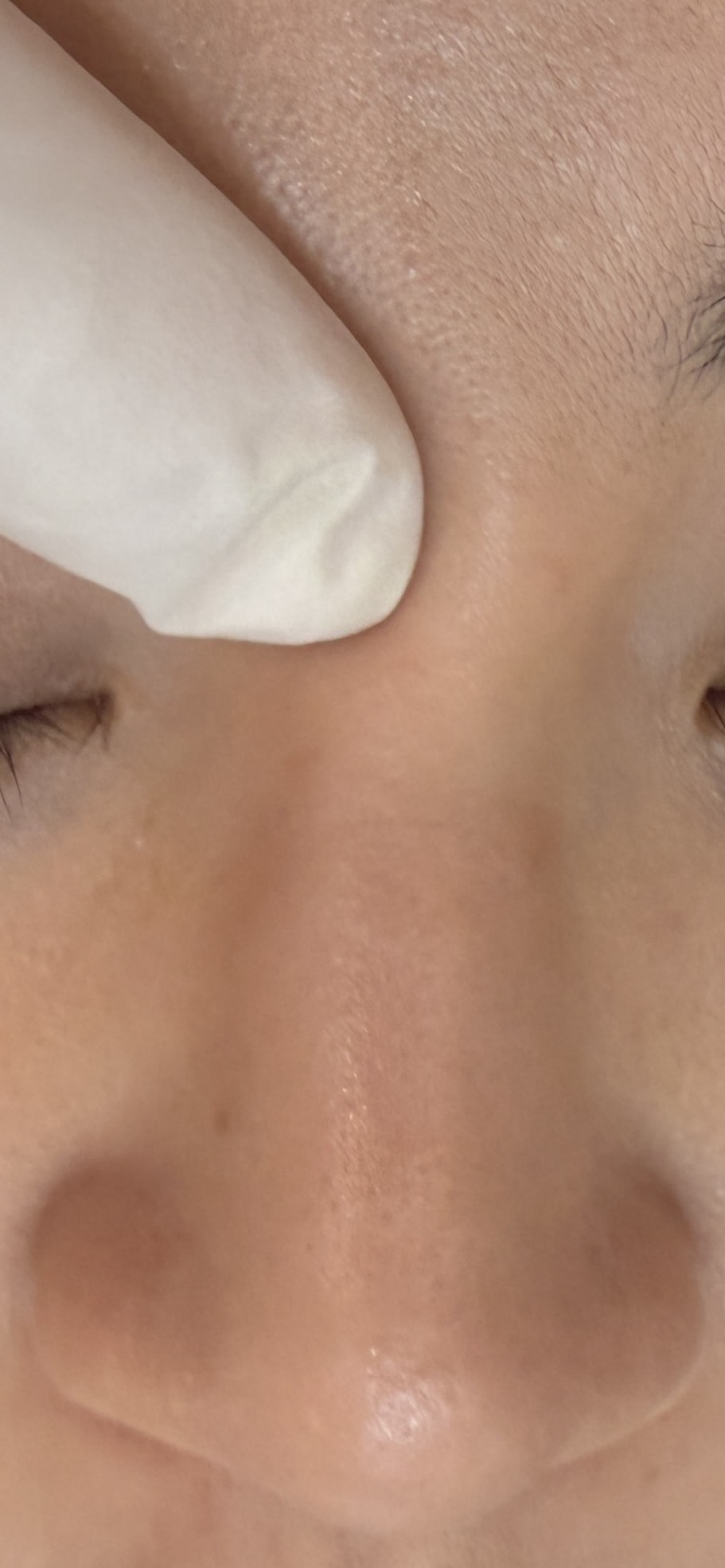
"The lump is still there, but now the skin around it is paper-thin and sunken in." At FILLER REVISION, this is the heartbreaking outcome we see in patients who have been through four, five, or more rounds of hyaluronidase. They came in with a filler lump; now they have a filler lump plus tissue damage. Many of our hyaluronidase-failure patients arrive with visible collateral damage from repeated dissolving attempts.
The problem is that hyaluronidase is not a precision weapon targeting only filler — it is a broad-spectrum enzyme that breaks down all hyaluronic acid molecules in the injection zone, including your body's own native HA (Hyaluronic Acid). Each injection depletes the natural components that maintain skin hydration, elasticity, and structural integrity.
The Non-Selective Nature of Hyaluronidase
It Does Not Distinguish "Good" from "Bad" Hyaluronic Acid
Native hyaluronic acid in human tissue plays critical roles:
← Swipe to see more →
| Native HA Function | Effect When Dissolved |
|---|---|
| Maintains skin hydration | Dry, dull skin |
| Supports dermal structure | Skin laxity, increased fine lines |
| Lubricates tissue spaces | Increased tissue friction |
| Facilitates cell communication | Reduced tissue repair capacity |
| Maintains tissue volume | Localized depression, volume loss |
Key Insight: At FILLER REVISION, we show patients on ultrasound exactly what happens: hyaluronidase does not "see" the filler before it starts working. After diffusing through the injection area, it simultaneously breaks down all hyaluronic acid it contacts — whether injected filler or native tissue components. This is why repeated injections cause cumulative tissue damage that we then need to repair.
Three Stages of Cumulative Damage
Stage 1: Initial Damage (After 1-2 Injections)
- Filler partially dissolved (if material is HA and not encapsulated)
- Surrounding native HA collaterally dissolved
- Local temporary swelling and inflammation
- Usually partially recoverable within weeks
Stage 2: Cumulative Worsening (After 3-5 Injections)
- Easily dissolvable portions of filler already exhausted
- Each injection primarily dissolves native HA
- Noticeable skin texture changes begin
- Visible tissue laxity around injection site
- Irregular depressions may appear
Stage 3: Severe Damage (6+ Injections)
- Local native HA severely depleted
- Paper-thin skin with increased translucency
- Obvious tissue depression and volume loss
- Encapsulated filler lump essentially unchanged
- The problem has evolved from "filler lump" to "filler lump plus tissue atrophy"
A Typical Clinical Pattern
The typical story we encounter in clinic:
- Patient discovers filler lump, returns to original clinic
- Practitioner injects hyaluronidase; lump partially shrinks
- Weeks later lump appears to have grown (actually surrounding tissue has thinned, making lump more prominent)
- Hyaluronidase injected again
- Cycle repeats 3-5 times
- Final result: lump remains (due to encapsulation) but surrounding tissue is severely damaged
Key Insight: When the lump persists after three rounds of hyaluronidase, the problem is almost certainly not "insufficient dose." More likely causes are non-HA material, encapsulation, or biofilm. Continuing to increase dosage only creates more normal tissue damage. What is needed is not more hyaluronidase but an ultrasound evaluation to determine the actual cause.
For more on why hyaluronidase fails: 7 Reasons Hyaluronidase Fails
The FILLER REVISION Approach: Stop the Damage, Then Repair
At FILLER REVISION, the first thing we do for patients with repeated hyaluronidase damage is simple: we stop the dissolving. Our ultrasound evaluation reveals the full picture — what filler remains, whether it is encapsulated (which explains why dissolving failed), and the extent of collateral tissue damage. For the lump itself, we offer ultrasound-guided physical extraction that removes the material without further destroying native HA. For the tissue damage already caused by repeated dissolving, we assess whether the tissue can recover on its own or whether subsequent repair procedures (such as targeted volume restoration) are needed. This two-phase approach — stop the harm, then rebuild — prevents the common mistake of continuing to dissolve while the patient's tissue deteriorates further.
Real case → 36-hour delayed vascular rescue via ultrasound-guided IAHA — two days of high-dose extravascular hyaluronidase damaged tissue without resolving the intra-arterial plug; only ultrasound-guided IAHA salvaged the penumbra.
How Ultrasound (Ultrasonography) Changes This Equation
Before Injection: Confirm Whether Hyaluronidase Should Be Used
- Confirm material is hyaluronic acid
- Assess encapsulation degree
- Determine whether hyaluronidase has a reasonable chance of success
Replacing Hyaluronidase: Physical Extraction
When hyaluronidase is inappropriate or has failed, ultrasound-guided extraction provides an alternative that does not rely on chemical dissolution, preserving native tissue HA.
← Swipe to see more →
| Comparison | Repeated Hyaluronidase | Ultrasound-Guided Extraction |
|---|---|---|
| Effect on native HA | Significant dissolution | No effect |
| Effect on encapsulated filler | Nearly ineffective | Direct removal |
| Cumulative damage | Increases with each round | None |
| Number of treatments | Potentially unlimited | Depends on extent and depth; may be zoned or staged |
| Post-recovery tissue condition | May be lax and atrophied | Tissue integrity preserved |
What to Do If You Have Already Had Multiple Injections
If you have undergone multiple rounds of hyaluronidase without resolution:
- Stop further hyaluronidase injections immediately
- Get an ultrasound evaluation to assess residual filler and tissue status
- Determine whether physical extraction is needed based on findings
- Evaluate whether damaged tissue requires subsequent repair
See: Filler Repair Evaluation Process and The Myth of Complete HA Absorption.
Schedule a consultation and let us find a solution that stops harming your tissue.
Frequently Asked Questions
Why does repeated hyaluronidase damage my native HA — isn't it supposed to only target the filler?
Hyaluronidase is fundamentally non-selective. It is a hydrolytic enzyme that cleaves the glycosidic bonds in any hyaluronic acid molecule it reaches — there is no chemical mechanism that allows it to distinguish a manufactured cross-linked HA gel from the native HA that supports your skin's hydration, elasticity, and dermal scaffolding. Native HA in healthy facial tissue is constantly being produced and replaced, with a normal turnover of roughly 24 to 48 hours. A single hyaluronidase injection causes a temporary, recoverable dip — but each repeated round shortens recovery, depletes the dermal HA pool faster than fibroblasts can replenish it, and eventually shifts the tissue into chronic atrophy. This is also why injectors often note that "more dose" does not improve outcomes after the third or fourth round: the dissolver is no longer running out of filler to attack; it is running out of native HA to spare.
If the lump is still there after multiple hyaluronidase sessions, why is "one more round" the wrong next step?
After three or more unsuccessful rounds, the lump is almost never a dose problem — it is a category problem. The four most common reasons hyaluronidase fails to resolve a filler lump are: (1) Encapsulation — the body has walled the filler in a dense fibrous capsule that the enzyme cannot penetrate. (2) Non-HA material — the lump is actually Sculptra / Ellanse / Radiesse / silicone, none of which hyaluronidase can dissolve. (3) Biofilm contamination — a bacterial colony lives on the filler surface; even if the gel dissolves, the contaminated tissue continues to flare. (4) Misidentified anatomy — the firmness is granulomatous tissue, scar, or migrated filler outside the original injection plane. None of these resolve with more enzyme; all four become harder to treat as the surrounding native HA is progressively depleted. The correct next step is high-frequency ultrasound (Ultrasonography) to identify which category you are in, and then a treatment plan matched to that category — most commonly ultrasound-guided physical extraction.
Can the skin thinning, depression, and volume loss from repeated hyaluronidase be reversed?
Partial recovery is common; full reversal is uncommon and depends on how far the damage has progressed. Mild to moderate damage (after 1–3 rounds) often improves over 3–6 months as the native HA pool gradually rebuilds, especially with conservative measures — sun protection, hydration, retinoid-sparing routines, and avoiding any further injection or aggressive treatment in the area. After 4+ rounds with visible thinning or depression, the fibroblast population and dermal scaffolding may be permanently reduced; in these cases, FILLER REVISION pairs ultrasound-guided removal of any residual filler with a staged repair plan — collagen-stimulating injectables (Sculptra / Radiesse) placed in deeper, undamaged planes, possibly combined with regenerative protocols, to rebuild structure without re-introducing soft HA that another enzyme exposure could destroy. The key principle is: stop the cumulative damage cycle first, then repair. Continuing to inject hyaluronidase while attempting tissue repair will undo every gain.
Conclusion
If you have already been through multiple rounds of hyaluronidase with a lump that persists and skin that looks worse, FILLER REVISION specializes in stopping this damage cycle. Our ultrasound-guided extraction removes the material without further dissolving your native tissue — and we assess the collateral damage to plan any repair that may be needed.
If your practitioner is suggesting "one more round," consider a second opinion first. Book a consultation →