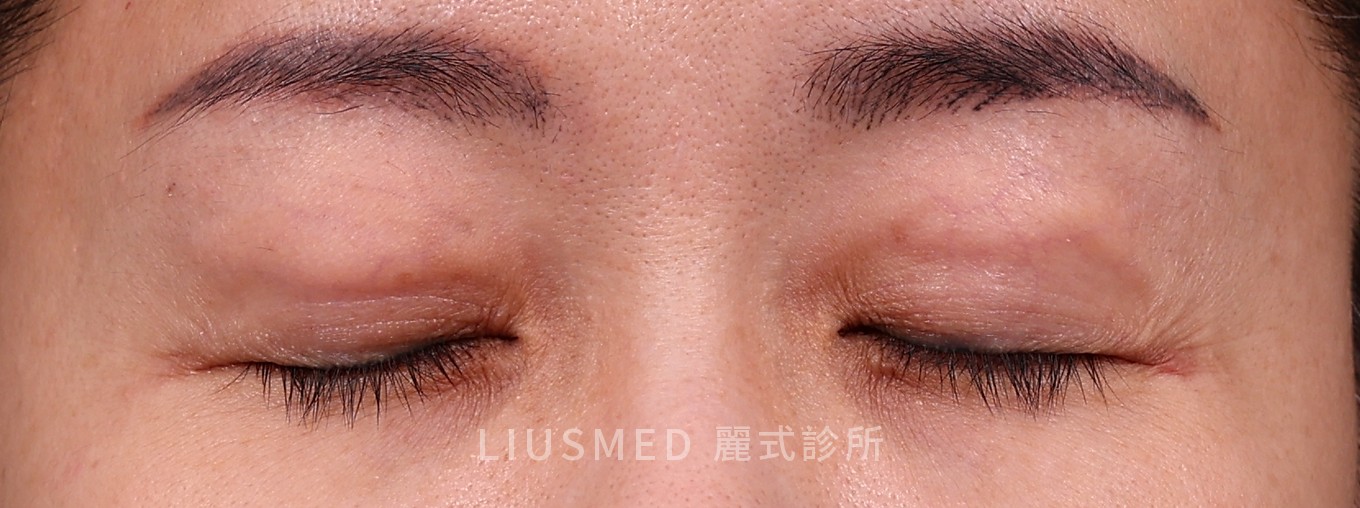
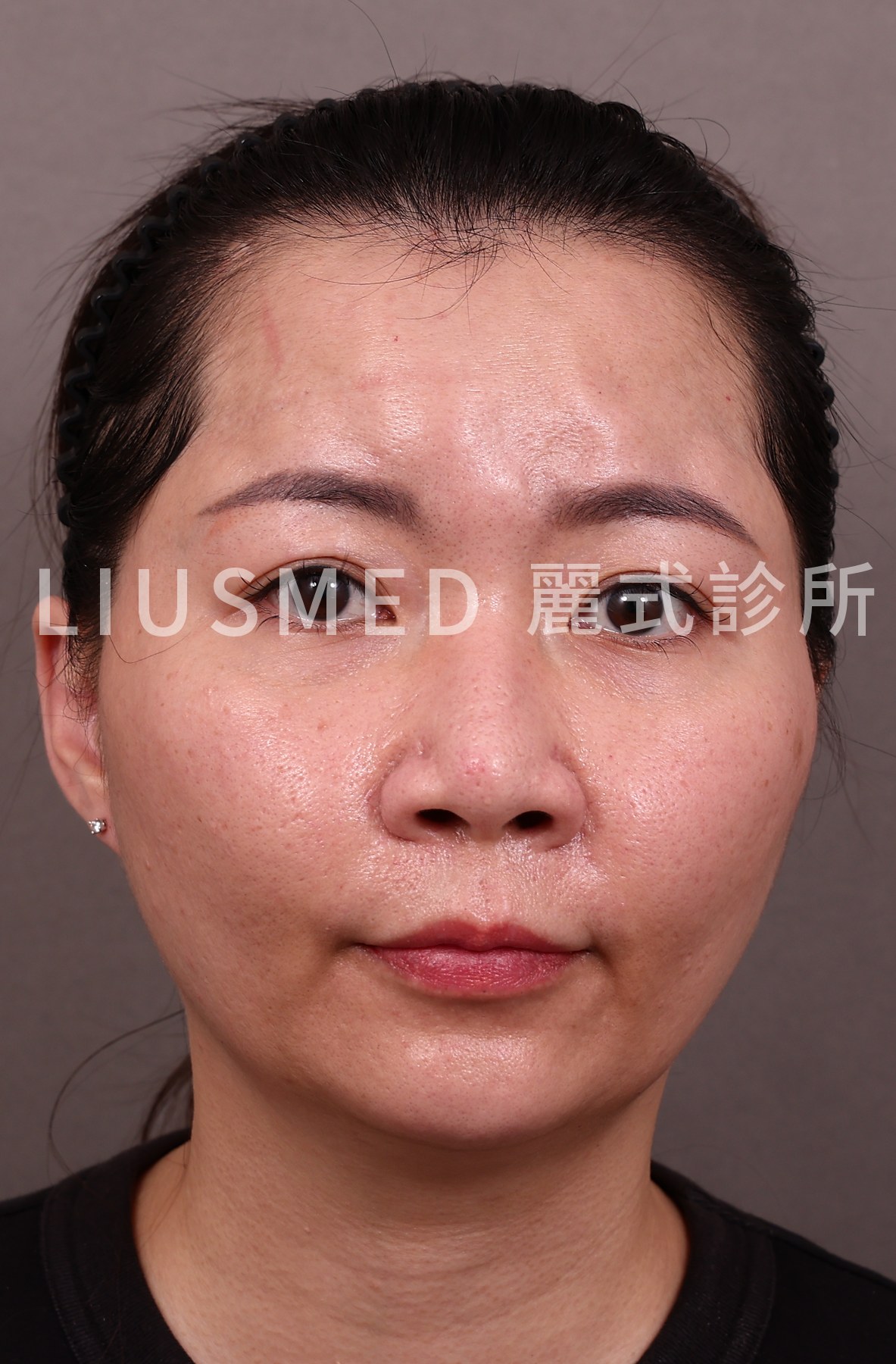
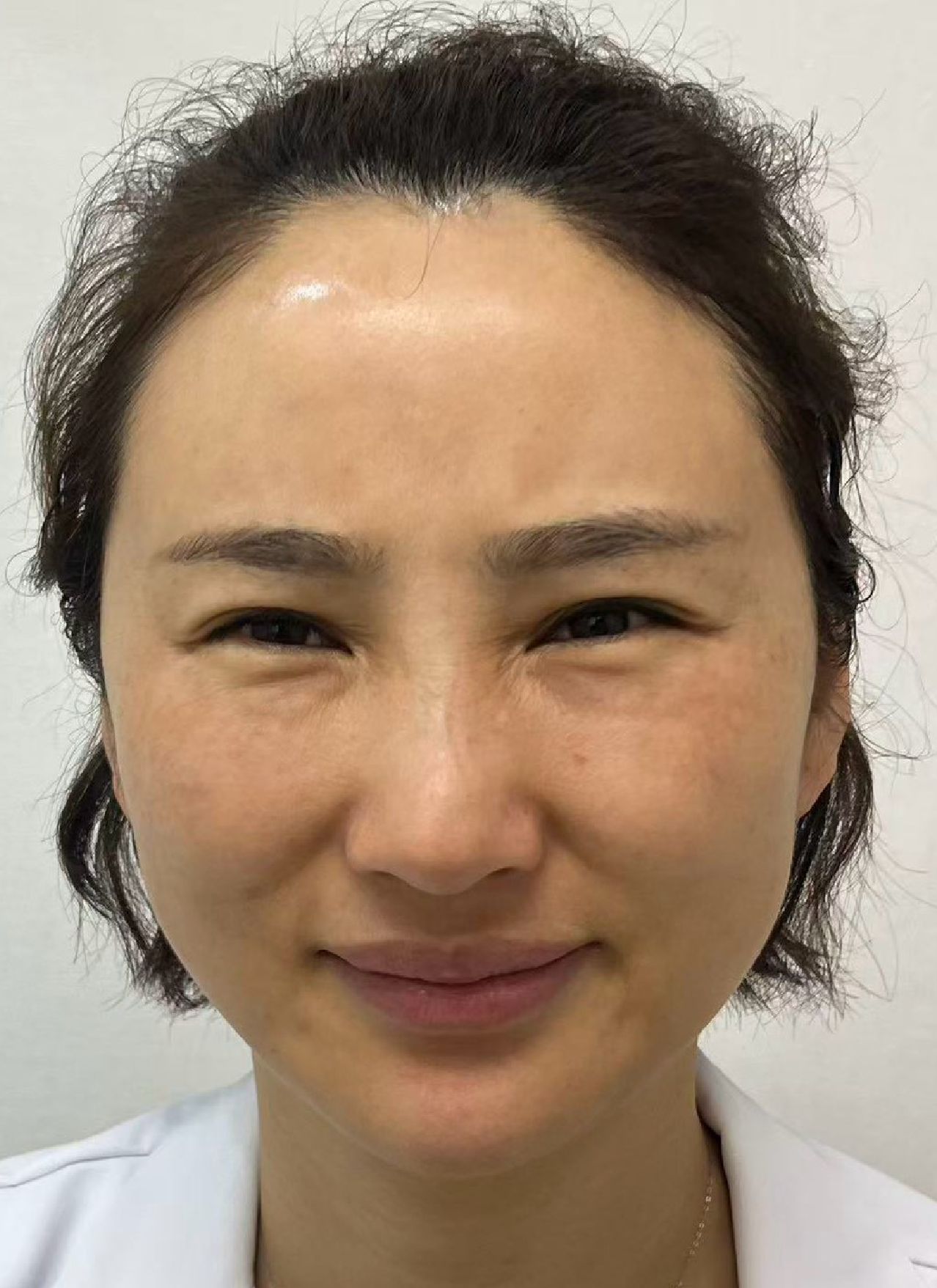
"My face looked that terrifying right after the injection — the clinic manager only told me it would heal faster than Rejuran, never that it would swell like this. This is my first time getting a water-shine treatment and I've never had a recovery this scary. Can anyone teach me how to get better fast?"
I've seen this kind of message many times. Let me give you a reassuring answer up front: swelling, bruising, even a whole raised area on the day of your injection is, much of the time, a normal reaction to the water-shine injection itself, and it will go down. But a portion of it isn't — and the key is being able to tell which is which. This article won't get into deep mechanisms (those are in our guide to what RE2O is and its full side-effect profile); it teaches you one thing only: how to tell "what will heal on its own" from "what needs a follow-up," and what to do — and not do — right now.
If what you had was JuveaCell (쥬브아셀), this article applies to you too. JuveaCell is another human dermal matrix water-shine booster, from the Korean company Vaim — the same class of material as RE2O, a different brand (its liquid form carries 3% or 8% particles per cc). The logic for telling things apart and handling them is the same, so read straight on. But don't confuse it with Juvelook, the similarly named product from the same maker — that one is a PDLLA collagen biostimulator, a completely different material.
First, sort it: normal recovery, or a complication?
RE2O is particulated human acellular dermal matrix, or phADM (particulated human acellular dermal matrix) — dermal tissue that's been decellularized and ground into particles — placed into the dermis. It is not hyaluronic acid, or HA (hyaluronic acid). Its normal recovery and its complications run on somewhat different timelines.
More likely a normal reaction (will settle):
- From the day of injection through the next few days: a spread of small water-shine papules, mild redness and swelling, bruising, tightness.
- These usually come from the injection itself and taper off over a few days. RE2O's only human trial to date — in 20 people — recorded just transient erythema and mild swelling that resolved on their own.
More worth watching (needs a follow-up):
- The individual bumps still have sharp outlines after 7–14 days, feel hard, or show no sign of settling at all.
- Redness, swelling and pain don't just fail to go down — they become more pronounced.
- A localized, one-sided, asymmetric area swells up.
Key point: Time is the most useful dividing line. Swelling in the first few days after injection is mostly a matter of giving it time; but something still present two weeks later — or turning hard and painful — is not "still recovering," it's your body telling you there's a problem. Stop waiting for "it'll go away on its own" and let a doctor look.
Why placing it too shallow makes bumps especially likely
RE2O's particles are meant to stay in the tissue so your own cells can grow into them and remodel — so unlike HA, it doesn't flatten and spread out. The shallower it's placed, the more that's deposited at a single point, and the less evenly it's distributed, the more the particles clump into visible, palpable papules at the surface. They're especially obvious when you make an expression or under side lighting.
This is also why the same RE2O leaves one person smooth and another with a face full of bumps — a large part of it is determined by the depth, dose and dispersion technique of the injection, not entirely by "your constitution being poor." Korea later released a finer-particle RE2O Fine, marketed precisely on distributing more evenly in thin skin and leaving less of a bumpy texture — which is, in effect, an admission that "dispersion" is the core problem with this class of material.
Signs to be careful about: this may not be simple bumps
Not every bump is the same. Please don't delay on any of the following:
- Increasing pain, swelling, warmth: especially one-sided, localized, asymmetric redness and swelling.
- Pus, discharge, or broken skin.
- Multiple red nodules appearing one after another weeks after injection, responding poorly to ordinary antibiotics, or flaring repeatedly.
These call for ruling out infection first. After water-shine, microneedling and similar treatments, infection can come not only from ordinary bacteria but from something rarer that's often mistaken for "sterile inflammation" and left to drag on — nontuberculous mycobacteria, or NTM (nontuberculous mycobacteria). It isn't something a surface swab will detect; it may need a sample sent for special culture. The point is this: before infection is ruled out, it's not appropriate to first suppress it with high-dose steroids — that can make things more complicated.
As for bumps that aren't red, painful or warm and are simply palpable and persistent, those lean toward "material clumping." This category is handled by localizing under ultrasound and then treating — no rush, and no need to panic.
Can RE2O nodules appear months later?
They can, and there's no long-term data on RE2O yet. The one formal human trial published so far followed patients for 20 weeks, and its authors note that this length can't capture long-term durability or delayed adverse events. So "nothing happened for a few months" doesn't mean nothing will.
Hyaluronic acid offers a reference point, but not a figure to borrow: in one HA product's follow-up, 23 patients across 4,702 treatments (about 0.5%) developed delayed-onset nodules, with a median of 4 months from injection to onset. That is an HA number, not an RE2O number.
A nodule that appears late is a description, not a diagnosis. "A lump I noticed a few months later" can be material clumping, an immune reaction or infection, and each is handled differently. If a new lump is red, painful or growing, infection needs to be ruled out first; if it's painless and quiet, ultrasound can show whether it's scattered through the dermis or gathered into a clump before deciding whether to treat it. For other causes of late swelling, see why swelling can appear long after filler.
What you can do right now, and what you must not do
You can:
- Photograph and document: take pictures of how it looks now and where. It's very useful for the doctor to compare changes at the follow-up. Also gather the original product information (whether it was RE2O, which clinic, the date, whether anything else was mixed in).
- Gentle care: for the swelling of normal recovery, use cold compresses, avoid heat (sauna, strenuous exercise, heavy drinking), and keep to normal moisturizing and sun protection so it settles naturally.
- Give it time while watching: hold it against the timeline above, and if it's trending toward the "needs a follow-up" side, book an appointment.
You must not:
- Rub, massage or squeeze hard: trying to "press the bumps apart" can instead cause more inflammation and displacement, even pushing superficial material somewhere it shouldn't go. Whether to massage, and how, should be decided by a doctor who has seen your ultrasound — not by grinding at it yourself.
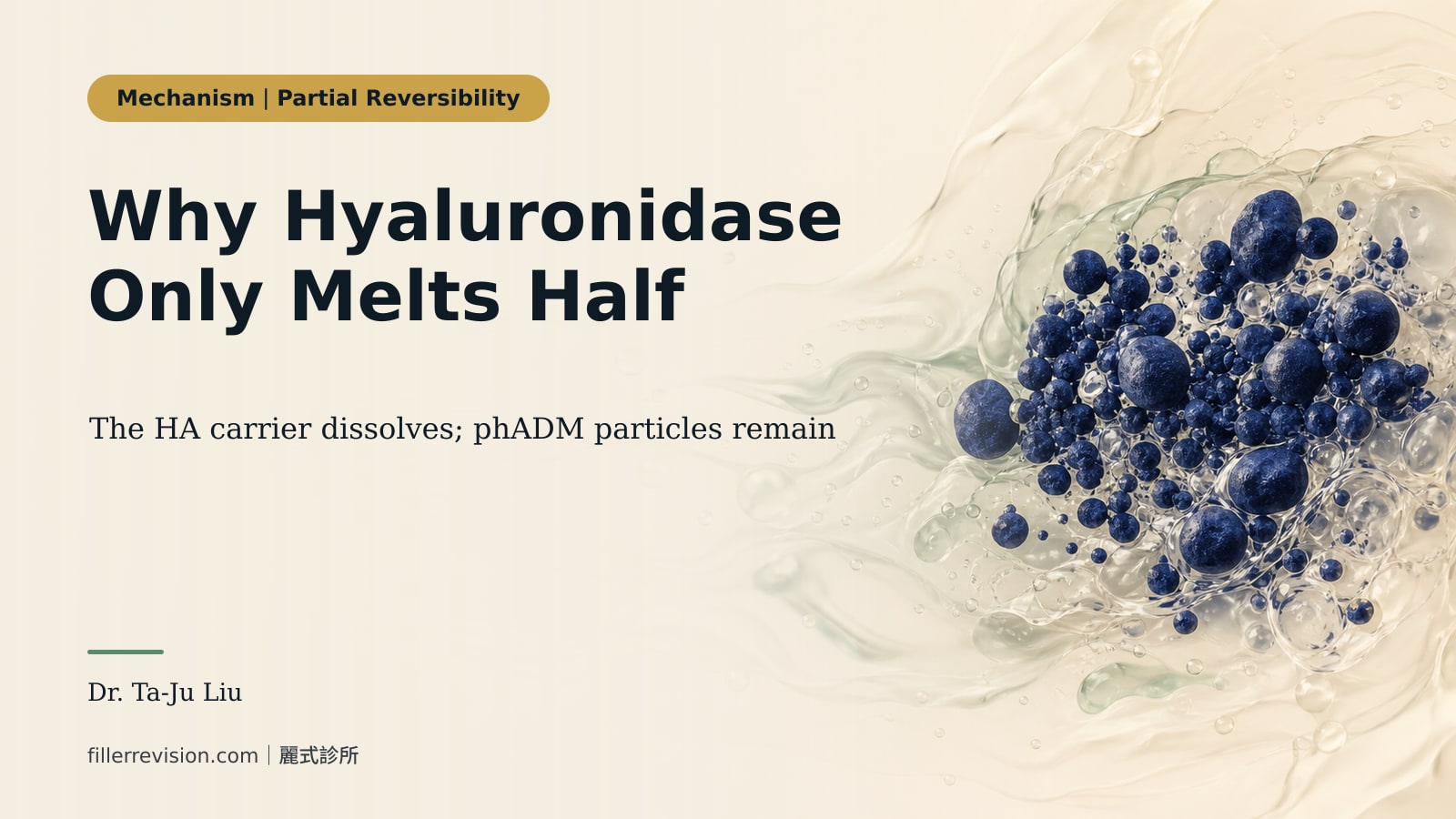
- Inject (or ask for) a dissolving enzyme on your own, hoping to melt it away: RE2O's body is ADM (acellular dermal matrix) particles, and a dissolving enzyme — hyaluronidase — at most breaks down any HA added at reconstitution; the particles themselves won't dissolve. At most it'll take down a bit of swelling, but the lump stays — that isn't a failure, it simply can't be dissolved. See why hyaluronidase can't rescue RE2O.
- Laser or use acids to chase pigment too early: rushing to treat pigmentation before the inflammation and clumping are controlled often makes things worse. Pigment is almost always left behind "after inflammation" — take care of the inflammation upstream and this pigment step becomes much easier.
When to seek revision, and what it involves when you do
If you fall on the "needs a follow-up" side — a hard bump still present after two weeks, repeated inflammation, or suspected infection — then it's no longer something to keep watching on your own.
The first step of revision isn't "dissolving" or "extracting," it's seeing clearly first: typing it with high-frequency ultrasound (plus Doppler) to confirm whether the particles are scattered through the dermis or concentrated into a mass, whether there's fluid collection or pus, and their relationship to blood vessels and nerves. This step decides everything that follows — sterile inflammation is controlled first, suspected infection is ruled out first, and only concentrated, massed material moves on to image-guided, single-pinhole physical extraction. The World Federation for Ultrasound in Medicine and Biology's 2025 aesthetic ultrasound consensus takes the same position: this kind of assessment should rely on high-frequency ultrasound plus Doppler, not on palpation alone.
I won't promise you that you'll "definitely get all the way back to before the injection," because how far it can be addressed depends on where the material is, how large the area is, whether there's fibrosis, and whether important structures sit nearby. But at the very least, typing it first and ruling out infection first is closer to a real solution than waiting endlessly for it to heal itself, or repeatedly dissolving and pressing at it.
When it really does come to the "concentrated, needs extracting" step, the technical detail lives on our sister site: RE2O Particulated Human ADM Skin-Booster Complications: Ultrasound Typing & Pinhole Micro-Extraction. The split is simple: this article helps you judge whether to worry yet and what you can do yourself; for the part hyaluronidase cannot address — ultrasound typing plus single-pinhole extraction — see the sister-site page.
If you had it done in Korea and you're still abroad or just back in Taiwan, you can send photos and product information through our international patient channel for an initial discussion. To have Dr. Ta-Ju Liu's team evaluate you directly, go to book a consultation. And if you'd like to understand this RE2O material in full first, go back to our guide to RE2O's ingredients, side effects and approval status.
Frequently Asked Questions
My face was hugely swollen and raised all over the day I got RE2O — is that normal?
Swelling, bruising and water-shine papules from the day of injection through the next few days are mostly a normal reaction to the injection itself, and they gradually settle. What you really need to watch is the kind that's "still there after two weeks, turning hard, or getting redder and more painful." Give it a few days while checking against the signs above.
How long until the bumps go away? Will they clear on their own?
If they're superficial bumps caused by placement that was too shallow, some will fade over time, but a portion won't and will stay palpable. The yardstick is the same — time: if they still have sharp outlines and feel hard after 7–14 days, a follow-up is advisable. Don't wait indefinitely.
Can I massage the bumps apart myself?
Not recommended — don't rub or squeeze hard on your own. Whether to massage, and how, should be judged by a doctor who has seen your ultrasound and knows which layer the particles are in. Grinding at it can cause more inflammation or displacement.
Can a dissolving enzyme dissolve RE2O?
No. A dissolving enzyme at most breaks down any hyaluronic acid added at reconstitution; RE2O's ADM particles won't dissolve. It may take down a little swelling, but the lump remains — that's normal, not a sign it was cleared out.
I already have pigmentation — can I go straight to laser?
It's better to get the inflammation and clumping under control first, then address the pigment. Pigmentation is mostly left behind after inflammation, and rushing to laser it before the inflammation is handled often backfires.
Is a nodule that appears months after RE2O normal?
It can happen, and there's no data yet to say how often. The one formal RE2O trial published so far followed patients for 20 weeks. With HA, delayed-onset nodules appeared at a median of about 4 months, but that's an HA figure. A new lump that is red and painful needs infection ruled out first; a quiet one can be checked on ultrasound before deciding anything.
References
- Lee YI, Chau NH, Nguyen NH, et al. Injectable Particulated Human Acellular Dermal Matrix Booster for Skin Restoration: An Integrated Randomized, Split-Face, Double-Blinded Clinical Trial and Preclinical Study. Int J Mol Sci. 2026;27(5):2193. PMID: 41828422.
- Chammas MC, Sigrist R, Alfageme F, et al. WFUMB Position Paper: Consensus on Best Practice in Aesthetic Dermatologic Ultrasound. Ultrasound Med Biol. 2025;51(11):2173-2193. PMID: 40866164.
- Signorini M, Liew S, Sundaram H, et al. Global Aesthetics Consensus: Avoidance and Management of Complications from Hyaluronic Acid Fillers. Plast Reconstr Surg. 2016;137(6):961e-971e. PMID: 27219265.
- Singsing ME, et al. Clinical features of mesotherapy-associated non-tuberculous mycobacterial infections: A systematic review. Int J Womens Dermatol. 2022;8(4):e059. PMID: 39916988.
- Beleznay K, Carruthers JD, Carruthers A, et al. Delayed-onset nodules secondary to a smooth cohesive 20 mg/mL hyaluronic acid filler: cause and management. Dermatol Surg. 2015;41(8):929-39. PMID: 26166260.
- Convery C, Davies E, Murray G, et al. Delayed-onset Nodules (DONs) and Considering their Treatment following use of Hyaluronic Acid (HA) Fillers. J Clin Aesthet Dermatol. 2021;14(7):E59-E67. PMID: 34840652.
Content review statement: This article was written by Dr. Ta-Ju Liu based on clinical experience and the current literature, for health-education reference; it cannot replace an in-person consultation. RE2O is a product not approved in Taiwan and sourced from abroad, and this article is complication-focused patient education and a revision explainer — not product promotion. If you develop redness, swelling, warmth or pain, pus, or ongoing change, please seek medical care promptly; all management still requires case-by-case judgment after an in-person consultation and imaging assessment with a physician.