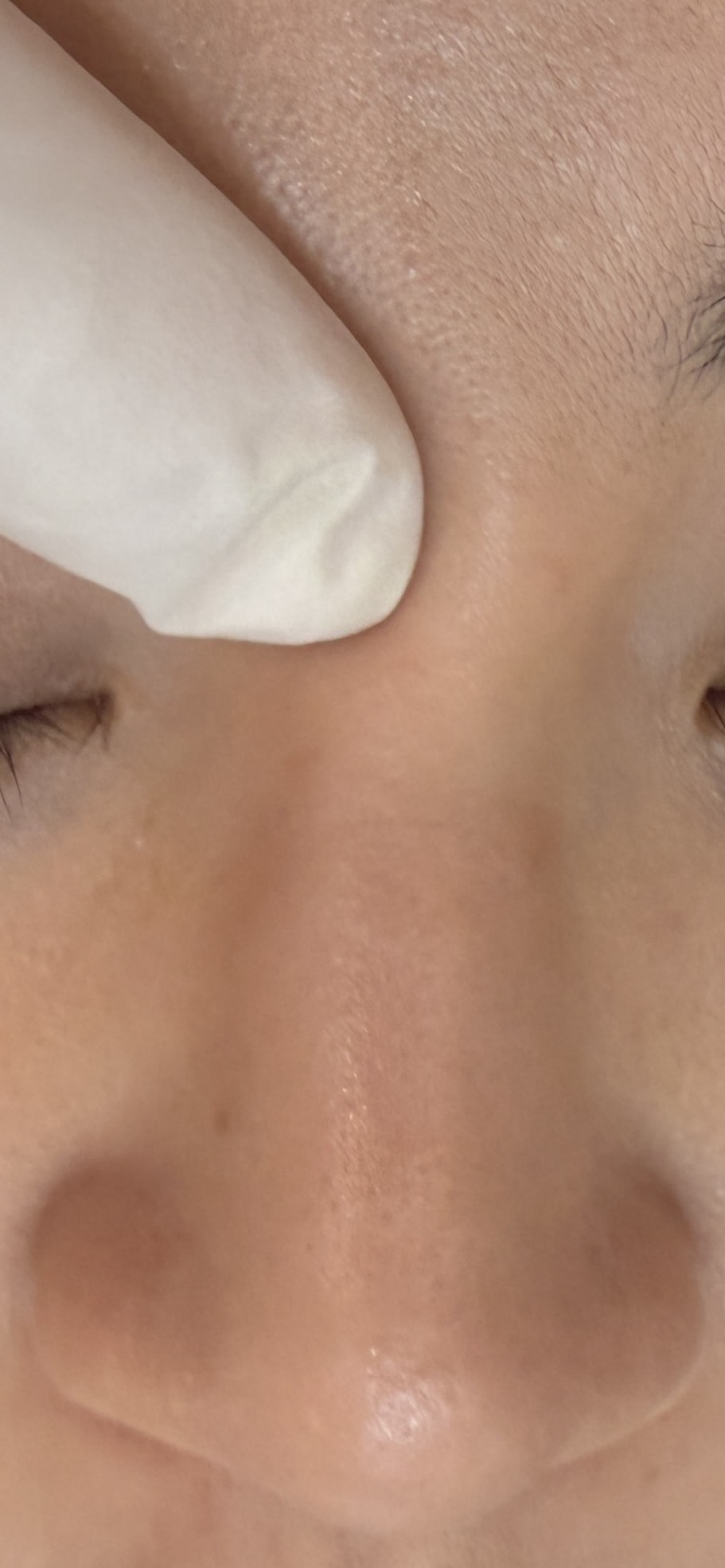
Why Post-Operative Skincare Matters
"I used to have a 10-step skincare routine — can I use any of it right now, or do I need to start from scratch?" This is one of the most common questions from patients in their first days after filler revision. Recovery after revision surgery has special considerations for your skin, because the tissue has already been through inflammatory changes from the original filler.
After filler extraction surgery, your skin undergoes a series of changes: tiny pinhole sites are healing, tissue is remodeling, and the inflammatory response is gradually resolving. During this process, the skin is in a more vulnerable state with reduced resistance to external irritants. Proper post-operative skincare not only accelerates recovery but also prevents long-term problems such as hyperpigmentation and scar formation. Conversely, incorrect skincare habits can delay healing or even create new skin issues.
Key Insight: At FILLER REVISION, we advise that post-operative skincare does not require a complex routine, but it does require the right product choices and consistent execution — especially after revision surgery, where the skin barrier may already be compromised. Simple, gentle, and consistent is the best strategy.
Post-Operative Skincare Timeline
Phase 1: Days 1-3 (Acute Recovery)
← Swipe to see more →
| Focus Area | What to Do | Notes |
|---|---|---|
| Cleansing | Use a soap-free, gentle cleanser; avoid pinhole sites | Do not rub or scrub |
| Moisturizing | Gentle barrier-repair moisturizer | Avoid products containing acids |
| Wound care | Apply antibiotic ointment per physician instructions | Keep wounds clean and dry |
| Sun protection | Physical barriers (hat, mask) | Do not apply sunscreen directly on wounds |
Key Insight: The most important principle for the first 3 days is "less is more." Do not rush to resume your full skincare routine — let your skin focus on its most basic repair work first.
Phase 2: Days 4-14 (Early Repair)
← Swipe to see more →
| Focus Area | What to Do | Notes |
|---|---|---|
| Cleansing | Resume normal cleansing with gentle motions | Avoid scrubs or exfoliants |
| Moisturizing | Products containing ceramides and hyaluronic acid | Avoid alcohol-based products |
| Repair | Begin centella asiatica-based repair products | Avoid high-concentration vitamin C |
| Sun protection | Start using physical sunscreen once wounds close | SPF (Sun Protection Factor) 30+, reapply every 2-3 hours |
Phase 3: Weeks 2-12 (Continued Recovery)
← Swipe to see more →
| Focus Area | What to Do | Notes |
|---|---|---|
| Daily skincare | Gradually reintroduce your normal routine | Introduce products slowly, watch for reactions |
| Antioxidants | Begin using vitamin C serum | Start with lower concentrations |
| Sun protection | Chemical or physical sunscreen acceptable | Continue strict sun protection |
| Targeted care | Use scar-repair products if needed | Follow physician recommendations |
Phase 4: After 3 Months (Stable Maintenance)
← Swipe to see more →
| Focus Area | What to Do | Notes |
|---|---|---|
| Full routine | Resume complete skincare regimen | Adjust based on skin condition |
| Advanced actives | May consider retinol, AHAs, etc. | Consult physician first |
| Sun protection | Maintain daily sunscreen habit | Long-term sun protection helps prevent pigmentation |
| Aesthetic treatments | Discuss adjunctive treatments if desired | Requires physician assessment |
Sun Protection: The Most Important Post-Operative Skincare Step
Why Sun Protection Is Especially Critical After Surgery
Reasons post-operative skin is prone to hyperpigmentation:
← Swipe to see more →
| Factor | Explanation |
|---|---|
| Post-inflammatory hyperpigmentation | The inflammatory response from surgery can trigger excess melanin production |
| Compromised skin barrier | Post-operative skin is more sensitive to UV radiation |
| Fragile new tissue | Newly formed tissue is more susceptible to light damage |
| Remodeling-phase changes | Skin reacts more strongly to stimuli during tissue remodeling |
Sun Protection Strategies
← Swipe to see more →
| Method | When to Use | Recommendation |
|---|---|---|
| Physical barriers | Immediately after surgery | Hats, masks, sunglasses, umbrellas |
| Physical sunscreen | After the pinholes heal (~2 weeks) | Zinc oxide or titanium dioxide formulas |
| Chemical sunscreen | After 2-3 weeks | May be more irritating to healing skin |
| Combination sunscreen | After 2-3 weeks | Provides both types of protection |
Practical Sunscreen Tips
- SPF level: SPF 30 is the minimum; SPF 50 is preferable
- Reapplication frequency: Every 2 hours when outdoors
- Application amount: About 1-1.5 mL for the face (roughly half a teaspoon)
- Not just on sunny days: UV rays penetrate clouds and reach you through windows
- Year-round protection: UV radiation is present in all seasons
Key Insight: Sun protection is the single most effective measure for preventing post-operative hyperpigmentation. Even if you skip every other skincare step, sunscreen is the one you should never skip. Strict sun protection for at least 6 months post-surgery is strongly recommended.
Recovery After Revision: How Skincare Needs Differ
Skincare after filler revision demands a more cautious approach than skincare after a routine cosmetic procedure. The skin overlying a revision site has often been stretched, inflamed, or thinned by the original filler, which means its barrier function is already compromised before surgery even begins. At FILLER REVISION, we see that revision patients are more prone to post-inflammatory hyperpigmentation and sensitivity reactions during the early healing phase. This is why we provide each patient with a simplified, revision-specific skincare protocol rather than relying on generic post-procedure advice. We also schedule earlier follow-up checks for skin condition, so any emerging sensitivity or pigmentation changes can be addressed before they become lasting concerns.
Skincare Ingredients and Behaviors to Avoid
Ingredients to Avoid (First 2 Weeks)
← Swipe to see more →
| Ingredient | Why to Avoid | Alternative |
|---|---|---|
| AHAs/BHAs (glycolic, salicylic acid) | Too irritating; may impair healing | Gentle moisturizing products |
| Retinol/retinoids | Can cause peeling and irritation | Resume after 3 months |
| High-concentration vitamin C | May irritate new skin | Use low concentration or wait 2 weeks |
| Alcohol-based products | Overly drying; impairs repair | Alcohol-free moisturizers |
| Essential oils | Potential allergens; hinder healing | Fragrance-free products |
| Hydroquinone | Too irritating for healing skin | Consult physician after stabilization |
Behaviors to Avoid
← Swipe to see more →
| Behavior | Why to Avoid | Alternative |
|---|---|---|
| Scrubbing/exfoliating | Can damage healing tissue | Wait at least 4 weeks |
| Facial steaming/high heat | Worsens swelling and inflammation | Avoid saunas, steam rooms |
| Vigorous massage | May disrupt tissue healing | Apply products gently |
| Heavy makeup | Clogs pores, increases infection risk | Light coverage or go bare |
| Swimming | Chlorinated water can irritate wounds | Wait until wounds are fully healed |
Recommended Post-Operative Skincare Ingredients
← Swipe to see more →
| Ingredient | Benefits | When to Start |
|---|---|---|
| Ceramides | Repair skin barrier | Immediately after surgery |
| Hyaluronic acid (topical) | Hydrate and support repair | Immediately after surgery |
| Centella asiatica extract | Promote wound healing, reduce scarring | Days 3-5 |
| Allantoin | Soothe and promote cell renewal | Immediately after surgery |
| Panthenol (vitamin B5) | Repair, moisturize, reduce irritation | Immediately after surgery |
| Niacinamide (vitamin B3) | Repair barrier, even skin tone | After 1-2 weeks |
Skincare Guidance for Special Situations
If Hyperpigmentation Has Already Appeared
If you notice pigmentation changes after surgery:
- Do not panic — post-inflammatory hyperpigmentation usually fades with time
- Intensify sun protection as the most important response
- Under physician guidance, consider products with tranexamic acid or vitamin C
- Severe pigmentation may benefit from targeted lightening treatments later
- Most cases show significant improvement within 3-6 months
If Skin Is Dry and Flaking
- Increase moisturizing frequency (2-3 times daily)
- Use a repair cream with lipid-rich ingredients
- Do not peel or pick at flaking skin
- Consider using a humidifier indoors
If Skin Is Sensitive and Red
- Temporarily return to the simplest possible skincare routine
- Choose fragrance-free, alcohol-free products
- Avoid washing with extremely hot or cold water
- If the condition persists, schedule a follow-up consultation
Seasonal Sun Protection Considerations
← Swipe to see more →
| Season | UV Characteristics | Protection Focus |
|---|---|---|
| Summer | Strongest UV levels | High-SPF sunscreen + physical barriers; avoid midday sun |
| Winter | UVA remains strong | Do not neglect sunscreen; protection still needed outdoors |
| Spring/Fall | Moderate UV levels | Daily sunscreen + awareness of reflected UV |
| Rainy/Cloudy | UVA penetrates clouds | Sunscreen still necessary |
Frequently Asked Questions
Q: How soon after surgery can I wear makeup?
Once the pinholes have fully healed (about 2 weeks), you may start with light coverage. Avoid heavy makeup that requires vigorous removal, and be gentle during cleansing.
Q: Can I use beauty devices?
Avoid all beauty devices (LED masks, radiofrequency devices, iontophoresis tools) for at least 4 weeks after surgery. Afterward, gradually resume use only after consulting your physician.
Q: Do I need expensive skincare products?
No. The key to post-operative skincare is correct ingredients and consistent use, not brand prestige or price. Pharmacy-grade repair lines are usually sufficient.
Frequently Asked Questions
When can I start wearing makeup after filler removal?
Once the pinhole entry points have healed — about 2 weeks — light mineral makeup is generally fine, provided the area is clean and not actively bruised or broken. Heavy rubbing to blend or remove makeup is best avoided in the first week so the tissue settles undisturbed.
How soon and how strictly do I need sunscreen after removal?
From the moment skin is healing, because fresh tissue pigments easily and sun exposure is a leading cause of dark marks after any procedure. Broad-spectrum SPF 30 or higher, reapplied through the day and paired with shade or a hat, is the simplest way to prevent post-procedure hyperpigmentation while the area recovers.
Which skincare ingredients should I pause after removal?
Strong actives that irritate fresh skin — high-strength retinoids, acids (AHA/BHA), and abrasive scrubs — are usually paused until the area has settled, typically a couple of weeks. Gentle cleansing, a barrier-supporting moisturiser, and sunscreen are enough during early healing; actives can be reintroduced gradually.
Conclusion: FILLER REVISION's Approach to Post-Operative Skincare
Post-operative skincare may seem like a minor detail, but it is a significant factor in your revision outcome. At FILLER REVISION, we know that the right skincare and sun protection not only speed recovery but prevent long-term issues like hyperpigmentation and scarring — concerns that are especially relevant for revision patients.
For more information about post-operative care, read about scar prevention after extraction and the recovery timeline week by week. For a complete post-operative care guide, see our swelling and bruising aftercare guide.
Everyone's skin condition and recovery are different. Specific skincare recommendations should be discussed with your physician during your follow-up appointments, tailored to your individual revision case.