Why a Recovery Timeline Matters
"I have a work trip in two weeks — will I still be swollen? Can I fly?" Before deciding on filler revision, the most practical questions come first: how many days off, when can I be seen in public, how long until it looks normal. Recovery after revision surgery has special considerations — your tissue has already been through the stress of a problematic filler, so healing timelines reflect that additional complexity.
Every patient's recovery varies based on the type of filler, its location, the volume involved, and individual healing factors. Below are the timeframes worth planning around.
FAQ: Pre-Surgery Anesthesia Options
Do I Need General Anesthesia?
In the vast majority of cases, general anesthesia is not required. Minimally invasive ultrasound-guided extraction is routinely performed under local anesthesia plus gentle pain-relief anesthesia. Throughout the procedure you can communicate with the physician in real time, and treatment can be paused or adjusted at any point; it generally takes 30 minutes to 1.5 hours depending on the treatment area and filler type.
← Swipe to see more →
| Anesthesia Type | When It Is Used | Impact on Recovery |
|---|---|---|
| Local + gentle pain-relief anesthesia | Our routine for extraction | Rest 1-2 hours before leaving |
| General anesthesia | Rare, large-area procedures | Half-day observation, companion recommended |
Key Insight: At FILLER REVISION, extraction is routinely done under local anesthesia plus gentle pain-relief anesthesia without general anesthesia, which keeps anesthesia-related risks lower; you can leave after resting about 1-2 hours.
Recovery Timeline: Three Numbers to Plan Around
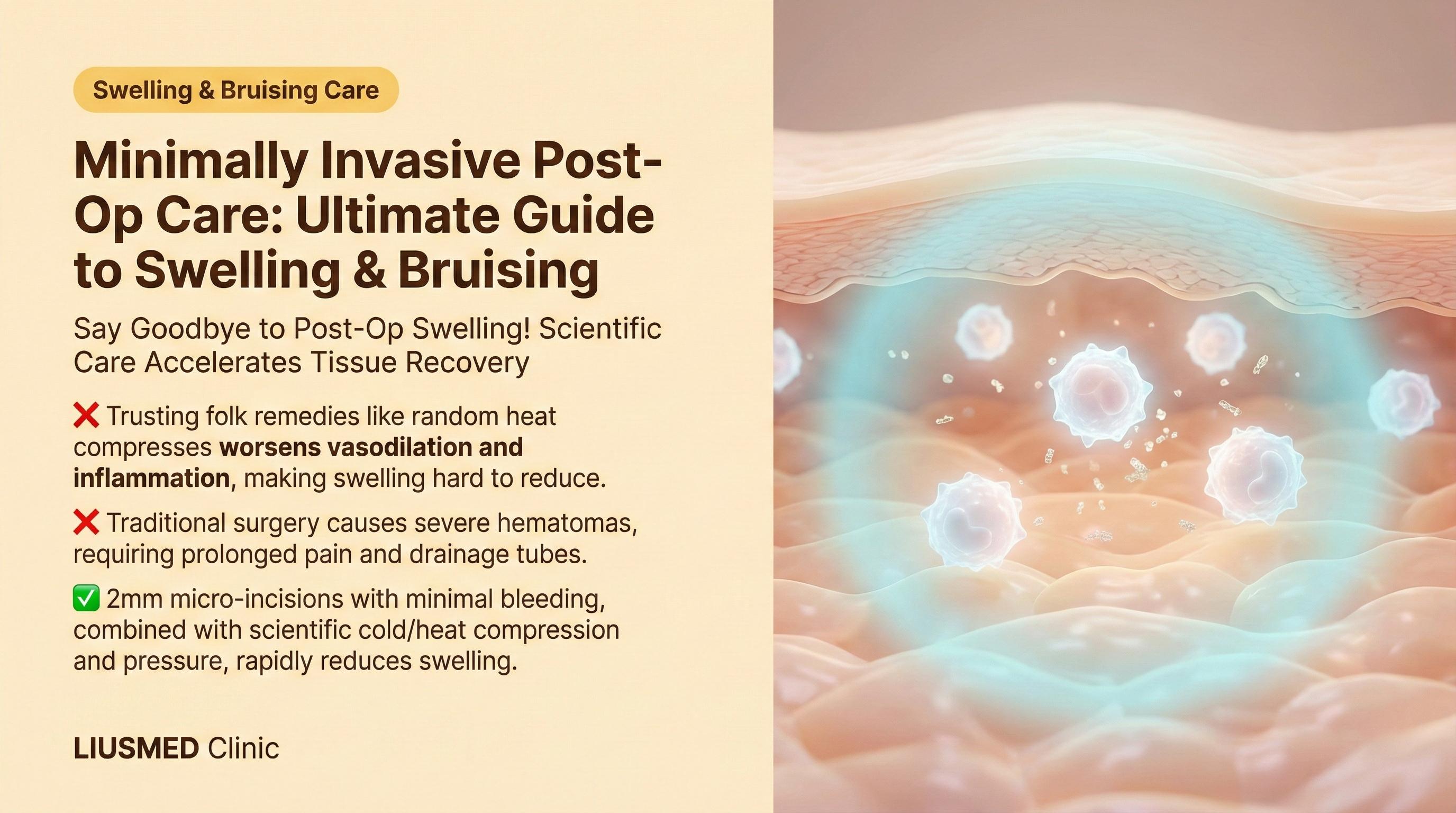
The pinhole is small, but this is an extraction, so swelling and bruising are expected. We don't claim a short recovery. These are the timeframes worth building into your schedule:
← Swipe to see more →
| Milestone | Approximate Timeframe |
|---|---|
| Swelling and bruising settle | About 2–3 weeks |
| Pinhole heals | About 2 weeks |
| Final result | About 3 months (varies from person to person) |
After extraction there is a period in which the swelling settles and firmness gradually softens; we go through the details at your consultation.
Surgery Day
Physical status:
- Swelling at the treatment site, and possibly bruising
- Tenderness once local anesthesia wears off
- The pinhole wound is small (typically 1-2mm), but what happens beneath it is an extraction
What you can do:
- Return home after resting about 1-2 hours
- Light daily activities (eating, watching TV, using your phone)
- Apply ice packs as directed
What to avoid:
- Vigorous exercise
- Bending over or looking down for extended periods
- Alcohol consumption
- Heat application or hot baths
When Can I Go Back to Work?
Whether and how long to take off depends on the nature of your work and on whether you mind others noticing swelling and bruising. Swelling and bruising are expected and usually take about 2–3 weeks to settle; the under-eye area, forehead, and temples are also harder to conceal. Tell us about your work and any important commitments at your consultation, and we will plan around the treatment area and extent together.
Key Insight: "Being able to go out" and "not being able to tell" are two different things. For weddings, business trips, photo shoots, or other important events, plan around swelling and bruising taking about 2–3 weeks to settle and the final result taking about 3 months.
The First Two Weeks: Care Priorities
Care priorities:
- Apply ice as directed
- Keep the wound clean and dry
- Take prescribed medications (anti-inflammatory, pain relief, antibiotics as prescribed)
- Sleep with head slightly elevated
- Wash your face normally, without rubbing the treated area
Avoid during this period:
- High-intensity exercise
- Swimming, saunas
- Facial massage
Your physician will tell you at follow-up when you can resume exercise, swimming, and your full skincare routine, based on how you are healing.
Around Week 2: Follow-Up Evaluation
The pinhole usually heals around this time, while swelling and bruising are still settling.
Important milestone:
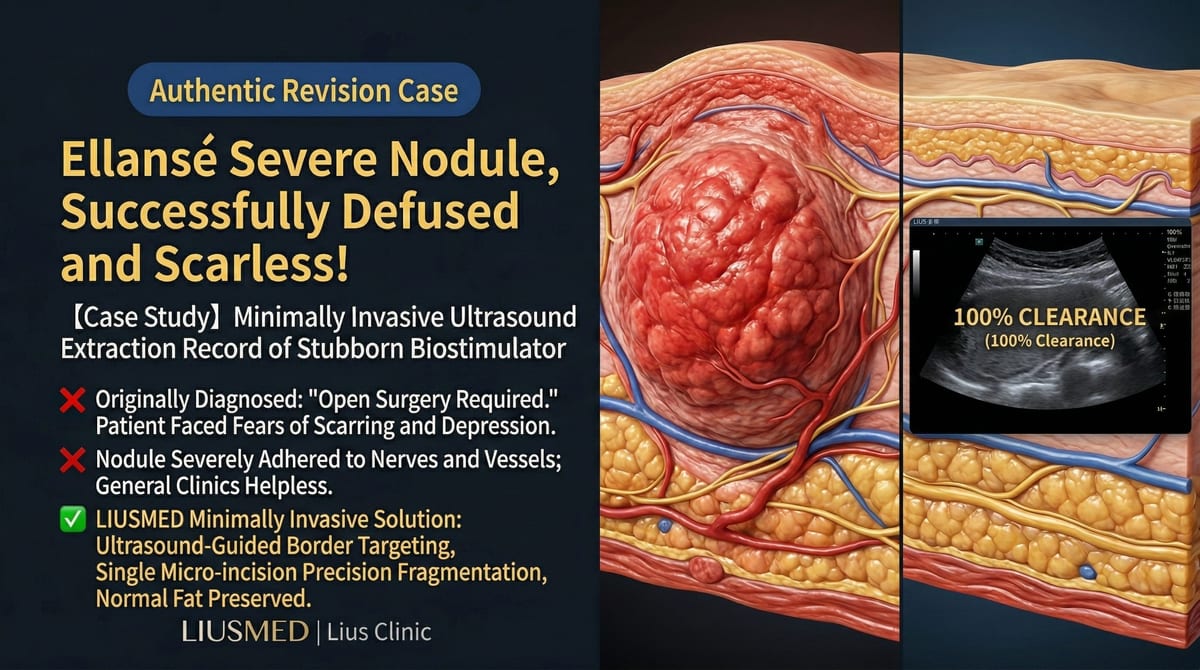
- Follow-up ultrasound examination: Checks how much was removed and what remains
- Physician evaluates recovery progress
- Discussion of ongoing care plan
← Swipe to see more →
| Follow-Up Check | Purpose |
|---|---|
| Ultrasound (Ultrasonography) imaging | Check how much was removed and what remains |
| Visual assessment | Compare pre- and post-operative changes |
| Palpation exam | Assess any residual firmness |
| Wound inspection | Confirm healing status |
Recovery After Revision: Why Your Timeline May Differ
Recovery from filler revision often follows a slightly different trajectory than recovery from a standard cosmetic procedure. Because the extracted tissue was previously occupied by a foreign material — sometimes for years — swelling and softening may take longer than the timeframes above. Patients who had permanent fillers, large volumes, or concurrent inflammation may notice this most. At FILLER REVISION, we explain expectations individually rather than applying a one-size-fits-all timeline. Your two-week follow-up ultrasound gives us objective information to adjust expectations and guide next steps specific to your revision case.
Around 3 Months: The Final Result
The final result takes about 3 months, varying from person to person. We can't guarantee 100% removal; the goal is as much improvement as can be achieved safely, and a return to natural contours.
Why this phase matters:
This period is critical for evaluating whether additional procedures may be needed. Some patients may require:
- Additional filler extraction (if residual material remains)
- Volume restoration (such as fat grafting)
- Planning for other aesthetic treatments
Key Insight: Patience while tissues stabilize is essential. Rushing into secondary procedures can compromise the final outcome. We recommend waiting at least 3 months before evaluating whether further treatment is needed.
Factors That Affect Recovery Speed
Recovery speed varies significantly between patients, primarily influenced by:
← Swipe to see more →
| Factor | Faster Recovery | Slower Recovery |
|---|---|---|
| Filler type | Hyaluronic acid | Silicone, PAAG (Polyacrylamide Hydrogel), permanent fillers |
| Filler volume | Small amounts | Large volumes |
| Filler depth | Superficial subcutaneous | Deep muscular or subperiosteal |
| Inflammation | No inflammation | Concurrent inflammation or granuloma |
| Number of procedures | First extraction | Multiple prior surgeries |
| Individual constitution | Low swelling/bruising tendency | High swelling/bruising tendency |
| Post-operative care | Strict adherence to instructions | Non-compliance with care protocol |
Practical Tips for a Smooth Recovery
Pre-Operative Preparation
- Stop blood-thinning supplements 1 week before (fish oil, vitamin E, ginkgo)
- Stop aspirin and anticoagulants 1 week before (with physician approval)
- Ensure adequate sleep and balanced nutrition
Post-Operative Care
- Follow the ice and compression schedule strictly
- Take medications as prescribed; do not discontinue on your own
- Avoid sun exposure and apply sunscreen diligently
- Get sufficient rest; avoid staying up late
- Quit smoking (smoking significantly delays wound healing)
When Should You Contact the Clinic Early?
Contact us or return for an immediate visit if you experience:
- Swelling that continues to worsen rather than improve
- Fever (above 38°C / 100.4°F)
- Unusual discharge from the wound
- Severe pain not relieved by pain medication
- Abnormal skin color changes
Conclusion: FILLER REVISION Helps You Prepare Well and Recover with Confidence
To recap: swelling and bruising settle in about 2–3 weeks, the pinhole heals in about 2 weeks, and the final result takes about 3 months, varying from person to person. Thorough preparation, diligent aftercare, and building this time into your schedule are the most practical ways to prepare.
At FILLER REVISION, every situation is unique. During your consultation evaluation, we encourage you to discuss your work schedule, social commitments, and recovery expectations in detail so we can design the most suitable revision plan for you. For more information on the recovery process, read our Swelling and Bruising Aftercare Guide and Filler Extraction Technique Explained.