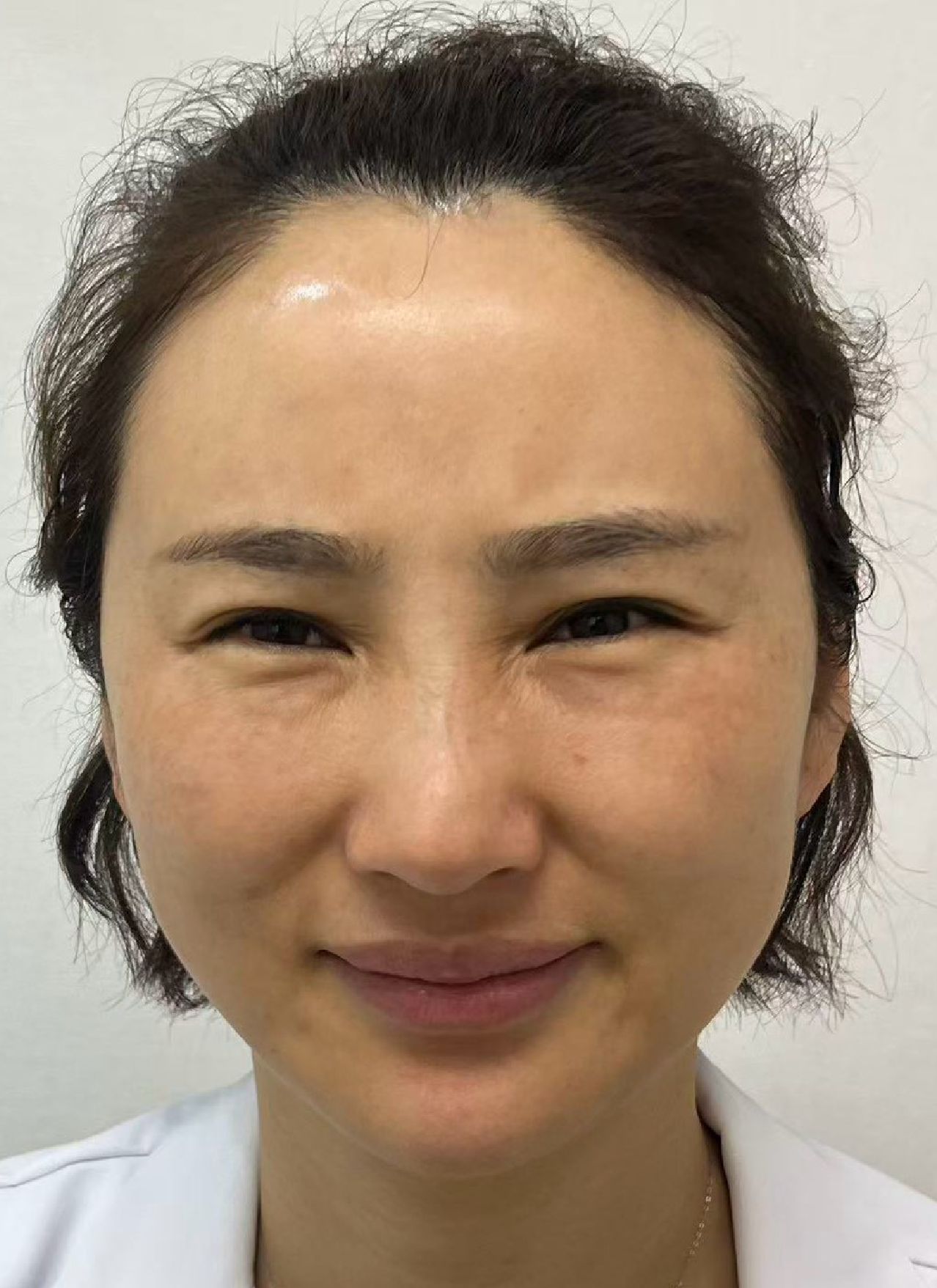
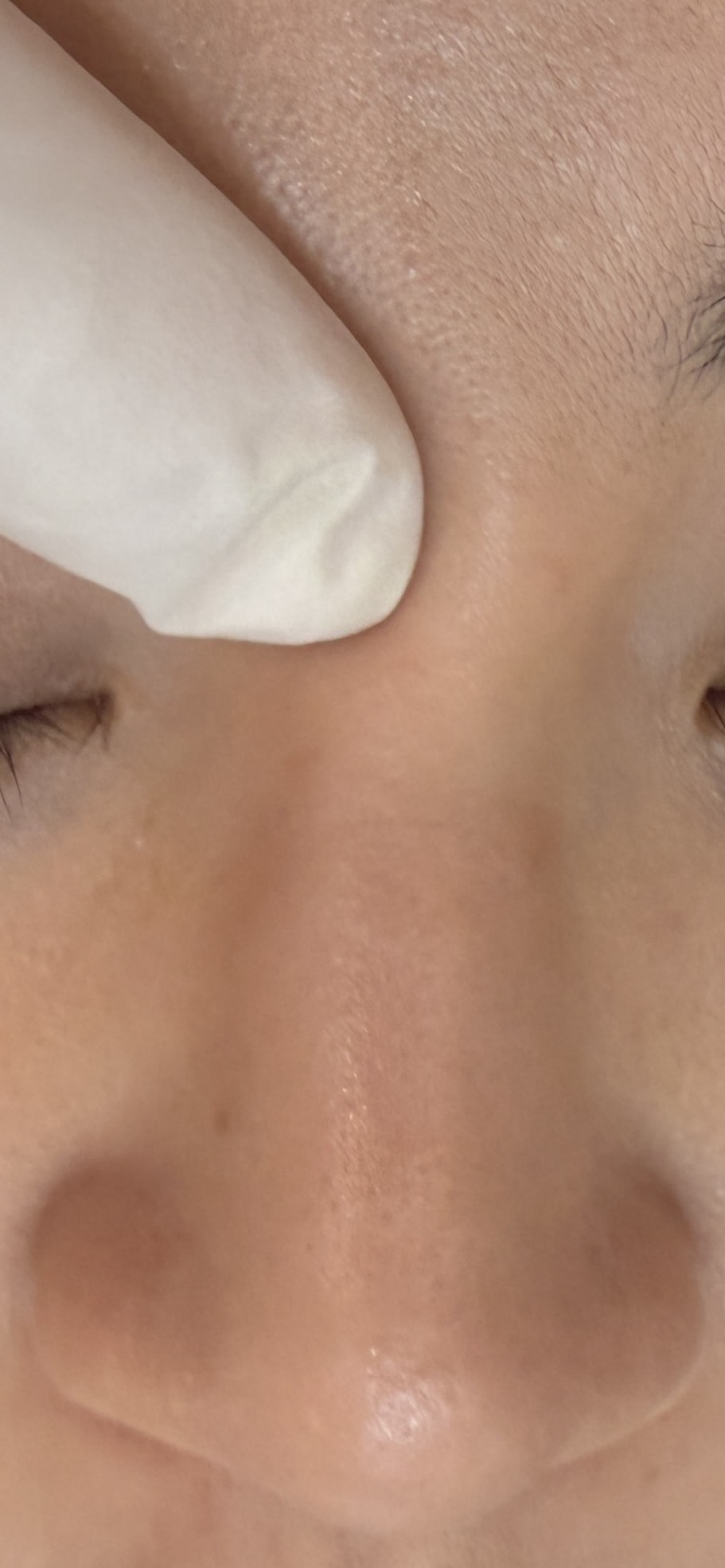
Swelling and Bruising: A Normal Part of Recovery
"I know swelling is normal, but how do I know if this is too much? When should I worry?" This is the question I hear most often in the first 48 hours after filler revision. Recovery after revision surgery has special considerations — tissue that previously housed a problematic filler may swell differently than treatment-naive tissue, so understanding what is normal for your situation is essential.
After minimally invasive ultrasound-guided filler extraction, swelling and bruising are the body's natural healing responses. Understanding why they occur, what is considered normal, and how to manage them properly will help you worry less and recover faster during the post-operative period.
Why Do Swelling and Bruising Occur?
Causes of Swelling
← Swipe to see more →
| Cause | Explanation |
|---|---|
| Surgical trauma | Even minimally invasive procedures cause mild tissue disruption |
| Local anesthesia | Anesthetic fluid temporarily adds volume to the tissue |
| Inflammatory response | The body's natural repair mechanism |
| Lymphatic disruption | Local lymphatic drainage is temporarily affected |
Causes of Bruising
← Swipe to see more →
| Cause | Explanation |
|---|---|
| Tiny vessel rupture | Unavoidable micro-vascular injury during extraction |
| Blood extravasation | Blood seeps into surrounding subcutaneous tissue |
| Blood-thinning factors | Prior use of blood-thinning medications or supplements |
Key Insight: At FILLER REVISION, we want you to understand that swelling and bruising are signs your body is healing — not signs that something went wrong. The pinhole is small, but this is an extraction, so swelling and bruising are expected — we don't claim the recovery is short. Swelling and bruising usually settle in about 2–3 weeks.
The Normal Swelling Timeline
Swelling Progression
← Swipe to see more →
| Timepoint | Swelling Level | Normal Presentation |
|---|---|---|
| Immediately after | Mild | Slight swelling, partly from anesthetic fluid |
| 6-12 hours post-op | Increasing | Swelling becomes more noticeable |
| 24-48 hours post-op | Peak | Most pronounced swelling — this is normal |
| After that | Gradually decreasing | Swelling and bruising usually settle in about 2–3 weeks |
The pinhole heals in about 2 weeks, and the final result takes about 3 months, varying from person to person. After extraction there is a period in which the swelling settles and firmness gradually softens; we go through the details at your consultation.
Swelling Differences by Treatment Area
← Swipe to see more →
| Area | Swelling Severity | Resolution Speed | Special Notes |
|---|---|---|---|
| Under-eye / tear trough | More noticeable | Slower | Thin skin, rich vasculature |
| Nose | Moderate | Medium | May temporarily affect breathing |
| Cheeks / midface | Moderate | Medium | Concealable with a mask |
| Chin / jawline | Milder | Faster | Gravity assists drainage |
| Forehead / temples | Moderate | Medium | May extend to the eye area |
"Faster" and "slower" are relative; overall, swelling and bruising still take about 2–3 weeks to settle.
Icing: Your Most Important Tool for Swelling
How to Ice Correctly
Golden rule: During the first 48 hours, ice is your best friend.
← Swipe to see more →
| Element | Recommendation |
|---|---|
| Tools | Ice packs, cold gel pads, or ice wrapped in a towel |
| Frequency | 15-20 minutes on, 20-30 minutes off |
| Duration | Continue as much as possible during the first 48 hours |
| Caution | Never place ice directly on skin — always use a barrier |
Icing Precautions
- Use a barrier: Always place a towel or gauze between the ice and your skin
- Do not overdo it: No more than 20 minutes per session to avoid frostbite
- Avoid the wound: Do not press directly on unhealed incision points
- Nighttime: Ice once before bed; no need to set alarms for overnight sessions
Key Insight: Icing is most effective within the first 48 hours post-surgery. After 48 hours, as swelling begins to subside, you can transition to warm compresses to promote circulation and bruise absorption.
Bruising: Normal Progression and Care
Bruise Color Change Chart
The color evolution of a bruise reflects the natural breakdown of blood — this is a normal physiological process:
← Swipe to see more →
| Stage | Color | Explanation |
|---|---|---|
| Early | Red or deep red | Fresh bleeding |
| Early–middle | Purple or deep blue | Hemoglobin breakdown begins |
| Middle | Dark blue or blue-green | Continued metabolism |
| Middle–late | Green or yellow-green | Biliverdin formation |
| Late | Yellow or pale yellow | Bilirubin metabolism |
| Fading | Pale yellow to gone | Complete absorption |
Like the swelling, bruising usually settles in about 2–3 weeks.
How to Speed Up Bruise Resolution
Methods you can use after the first 48 hours:
← Swipe to see more →
| Method | Details | Effectiveness |
|---|---|---|
| Warm compress | Start 48 hours post-op, 15-20 minutes per session | Promotes circulation and absorption |
| Arnica gel | Apply topically to bruised areas | Literature supports accelerated resolution |
| Vitamin K cream | Apply topically to bruised areas | May help accelerate fading |
| Bromelain supplements | Oral supplement | Some literature supports anti-inflammatory, anti-swelling effects |
Tips for Concealing Bruises
If you need to go out while the swelling and bruising are still settling:
- Color-correcting concealer: Yellow or green tones neutralize purple bruising
- Face mask: In many cultures, this is the most natural way to conceal
- Sunglasses: Ideal for periorbital bruising
- Hat or bangs: Useful for forehead or temple bruising
Recovery After Revision: How Swelling Patterns Differ
Swelling and bruising after filler revision can behave differently than after a standard cosmetic procedure. Tissue that previously contained filler — particularly if there was inflammation, fibrosis, or granuloma formation — has altered vascularity and lymphatic drainage. This means swelling may peak slightly later, resolve in a different pattern, or appear asymmetric if one side had more extensive extraction. At FILLER REVISION, we prepare patients for these revision-specific patterns during the pre-operative consultation so that the post-operative experience holds fewer surprises. We also provide direct communication channels for the first 72 hours, because understanding whether your specific swelling pattern is normal requires revision expertise, not generic aftercare advice.
Daily Post-Operative Care Essentials
Dietary Recommendations
← Swipe to see more →
| Recommended | Why | Avoid | Why |
|---|---|---|---|
| High-protein foods | Promotes tissue repair | Alcohol | Worsens swelling and bruising |
| Vitamin C-rich fruits | Supports collagen synthesis | Spicy foods | May increase inflammation |
| Dark leafy greens | Rich in antioxidants | High-sodium foods | Worsens edema |
| Adequate water | Promotes metabolism | Blood-thinning herbs | Increases bleeding risk |
Sleep Position
- Elevate your head: Use multiple pillows or raise the head of the bed 15-30 degrees
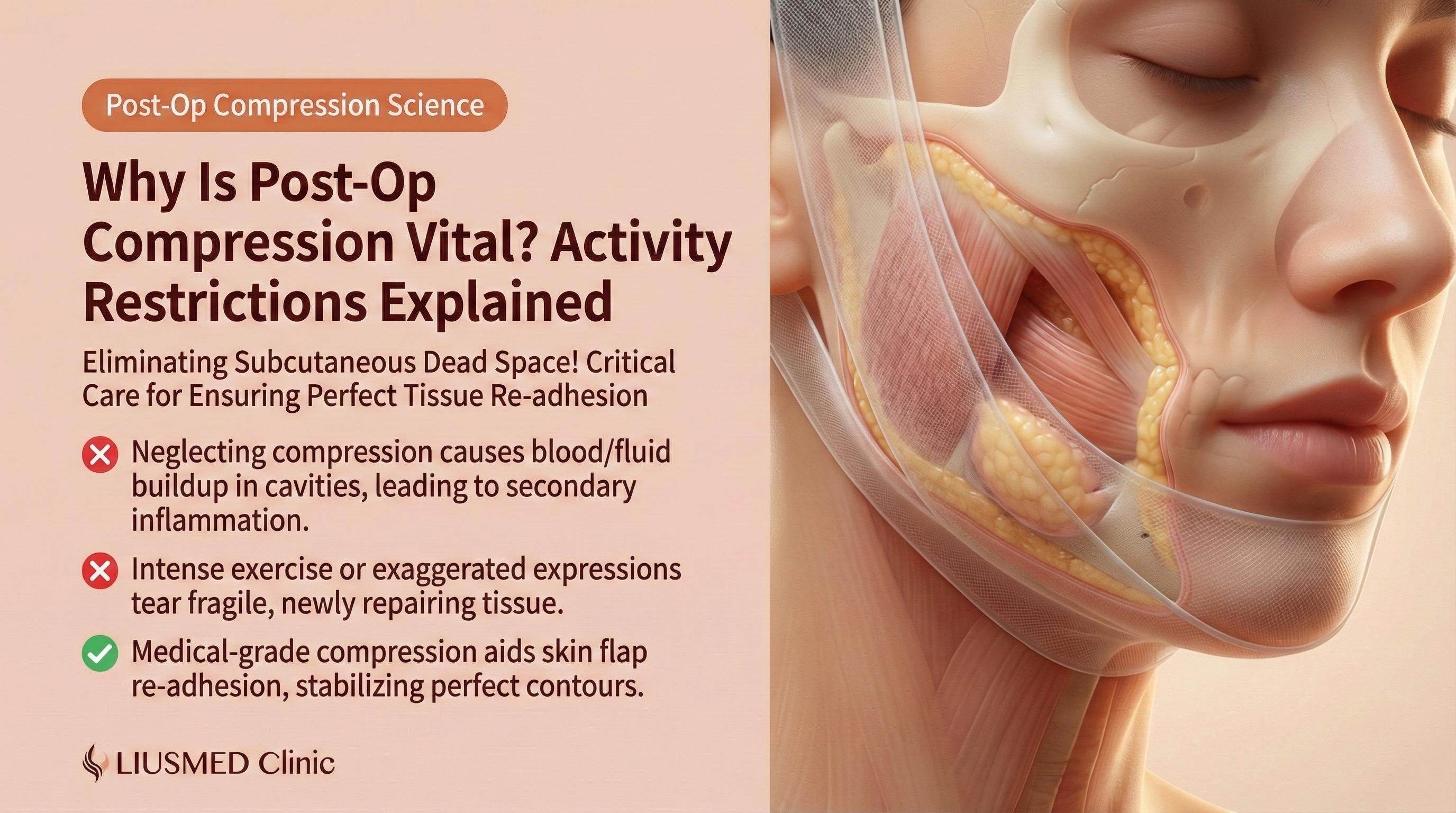
- Avoid sleeping face-down: Do not put pressure on the surgical site
- Side sleeping caution: If surgery was on one side, try not to sleep on that side
Activity Restrictions
← Swipe to see more →
| Period | Allowed | Avoid |
|---|---|---|
| Days 1-3 post-op | Light activities, walking | Exercise, bending, heavy lifting |
| Days 3-7 post-op | Everyday activities | Vigorous exercise, swimming |
| Weeks 1-2 post-op | Light exercise | High-intensity exercise, saunas |
| Weeks 2-4 post-op | Other activities resume gradually, based on your follow-up | Extreme sports |
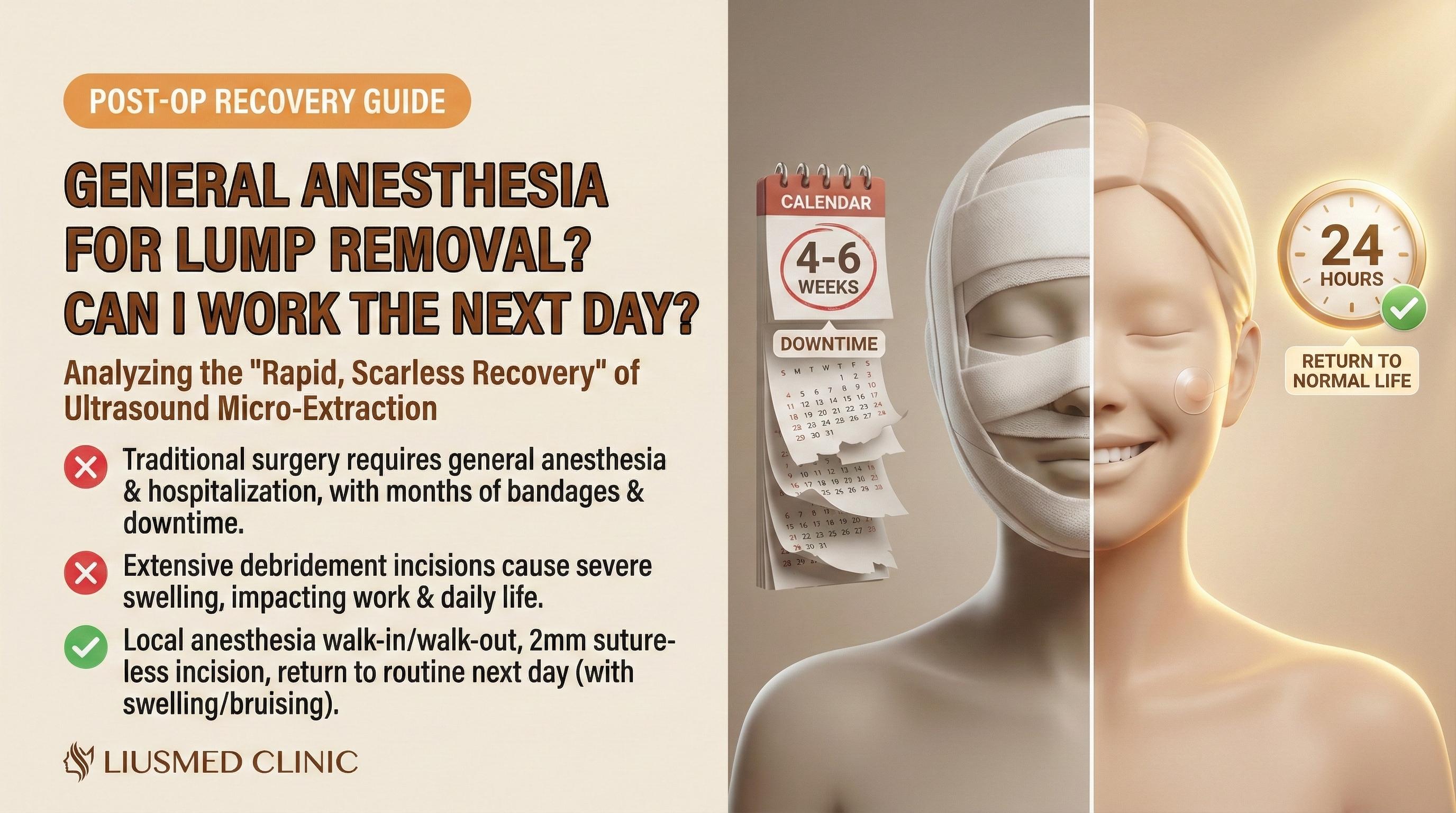
Swelling and bruising usually take about 2–3 weeks to settle and are visible during that time, so plan time off around the nature of your work; we can plan this together at your consultation.
When Should You Be Concerned?
Normal vs. Abnormal Comparison
← Swipe to see more →
| Normal | Abnormal — Seek Attention |
|---|---|
| Swelling peaks within 48 hours | Swelling continues worsening after day 3 |
| Bruise color gradually lightens | Bruise area continues expanding |
| Mild to moderate pain relieved by medication | Severe pain unresponsive to medication |
| Minor wound drainage (first 24 hours) | Persistent bleeding or pus from wound |
| Low-grade temperature (below 37.5°C) | Fever above 38°C (100.4°F) |
| Mild redness around the site | Rapidly spreading redness, heat, and pain |
Key Insight: If you experience any abnormal symptoms, do not hesitate to contact the clinic immediately. Early intervention prevents small issues from becoming major problems. Our team is always ready to address your concerns.
Frequently Asked Questions
Q: How long until swelling completely resolves?
Swelling and bruising usually settle in about 2–3 weeks, the pinhole heals in about 2 weeks, and the final result takes about 3 months, varying from person to person.
Q: Can I use makeup to cover bruises?
Yes. From 2-3 days post-op you can apply concealer to bruised areas, keeping it off the pinhole itself (the pinhole heals in about 2 weeks). Mineral-based, non-irritating products are recommended.
Q: Can I wash my face after surgery?
Yes, gentle face washing is fine. Avoid rubbing the surgical area. Use a mild cleanser and avoid acid-based or exfoliating products until the wound is fully healed.
Q: When can I resume exercise?
Light activity such as walking can resume gradually as your physician advises; when to return to moderate or high-intensity exercise is decided at your follow-up review, to avoid aggravating swelling and bruising.
Conclusion: FILLER REVISION Is With You Through Every Step
Post-operative swelling and bruising are temporary but take time — usually about 2–3 weeks to settle, with the final result at about 3 months. Proper care, guided by revision-specific expertise, helps that process go more smoothly and comfortably. At FILLER REVISION, we remind every patient: everyone heals at their own pace, and revision recovery has its own unique timeline.
For a more detailed recovery timeline, read our week-by-week recovery guide. For details on the surgical technique, see our ultrasound-guided pinhole extraction explainer.