Will My Face Definitely Look Hollow After Filler Removal?
"I want the filler out, but I'm terrified my face will look sunken and aged." At FILLER REVISION, this is the single most common concern patients express during their initial consultation. The fear is understandable — after all, filler was injected to add volume, so removing it seems certain to cause hollowing.
However, the reality is more complex. Whether noticeable hollowing occurs depends on the interaction of multiple factors.
Key Insight: At FILLER REVISION, we've learned from 5,000+ revision cases that post-extraction appearance change is not a simple equation of "with filler vs. without filler." After filler has been present in tissue for a period of time, structural changes have already occurred locally, and these changes affect the final appearance after removal — often favorably.
Factors Affecting Post-Extraction Hollowing
Key Factor Comparison
← Swipe to see more →
| Factor | More Noticeable Hollowing | Less Noticeable Hollowing |
|---|---|---|
| Filler type | Large-volume HA (Hyaluronic Acid), autologous fat | Collagen stimulators (which generated native collagen) |
| Duration since injection | Recent injection (<6 months) | Long-standing (>2 years) |
| Injection volume | Large volume | Small volume |
| Tissue response | No fibrosis developed | Fibrous capsule formed |
| Injection site | Originally hollow areas (e.g., tear troughs) | Originally full areas (e.g., cheeks) |
| Skin elasticity | Young, elastic skin | Aged, less elastic skin |
| Extraction extent | Complete removal of all filler | Partial removal, acceptable filler retained |
Volume Changes by Filler Material After Extraction
← Swipe to see more →
| Filler Type | Post-Extraction Volume Change | Tissue Compensation Effect |
|---|---|---|
| Hyaluronic acid | Immediate notable decrease | Low, primarily water absorption |
| Radiesse | Moderate decrease | Moderate, some collagen stimulation |
| Ellanse | Moderate decrease | Medium-high, native collagen stimulated |
| Sculptra | Less decrease | High, main effect from native collagen |
| Autologous fat | Depends on survival rate | Surviving fat provides permanent volume |
| Silicone/PMMA (Polymethyl Methacrylate) | Extracted volume equals volume lost | Low, but capsular tissue may provide some support |
The Natural Tissue Recovery Process
When Can You Judge the Result?
The pinhole is small, but this is an extraction, so swelling and bruising are expected. Swelling and bruising usually settle in about 2–3 weeks, the pinhole heals in about 2 weeks, and the final result takes about 3 months, varying from person to person. Early swelling can mask hollowing, so the degree of any hollowing can only be judged once the swelling has gone down and the tissue has settled. After extraction there is a period in which the swelling settles and firmness gradually softens; we go through the details at your consultation.
Natural Tissue Compensation Mechanisms
After filler removal, the body activates a series of natural repair mechanisms:
- Fibrous tissue remodeling: The fibrous capsule around the filler does not disappear immediately and provides temporary structural support
- Collagen reorganization: Some native collagen stimulated by collagen-stimulating fillers is partially retained
- Tissue contraction: Local tissue gradually contracts to adapt to the new volume
- Vascular reconstruction: Once local blood circulation normalizes, tissue nutrition improves
Key Insight: The final result takes about 3 months, varying from person to person. During this period, appearance continues to change. Therefore, secondary filling or reconstruction surgery is not recommended too soon after extraction.
Timing and Options for Secondary Reconstruction
When Can Secondary Reconstruction Be Considered?
← Swipe to see more →
| Timing | Recommended Wait | Reason |
|---|---|---|
| Immediately after extraction | Not recommended | Tissue still recovering, needs cannot be accurately assessed |
| 1 month post-extraction | Case-dependent | Acute phase passed, but tissue still changing |
| About 3 months post-extraction | Good | The result is close to final around this point; needs can be assessed |
| Later | Case-dependent | For extensive or staged cases, or if the appearance is still changing, waiting longer can help |
Reconstruction Options
Autologous fat grafting (most commonly recommended):
- Uses your own fat, no rejection or foreign body reaction risk
- Surviving fat provides permanent volume
- Stem cells in fat can improve local tissue quality
- See Fat Graft Revision Service for more information
Hyaluronic acid filler (short-term solution):
- Dissolvable, higher safety profile
- Predictable results
- Limited duration (typically 6–18 months)
- Can serve as transitional solution during the observation period
No reconstruction (some patients' choice):
- Natural tissue rebound after extraction is sufficient
- Minor volume reduction is acceptable
- No desire to inject any more substances
How to Minimize Post-Extraction Hollowing
Pre-Operative Strategies
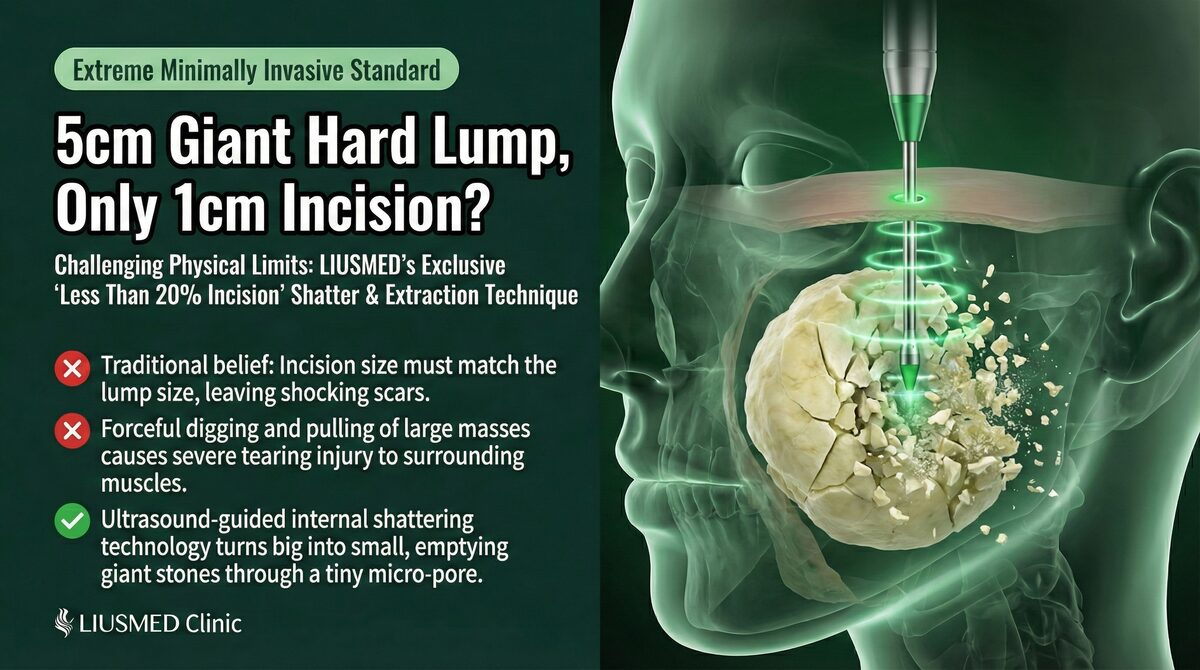
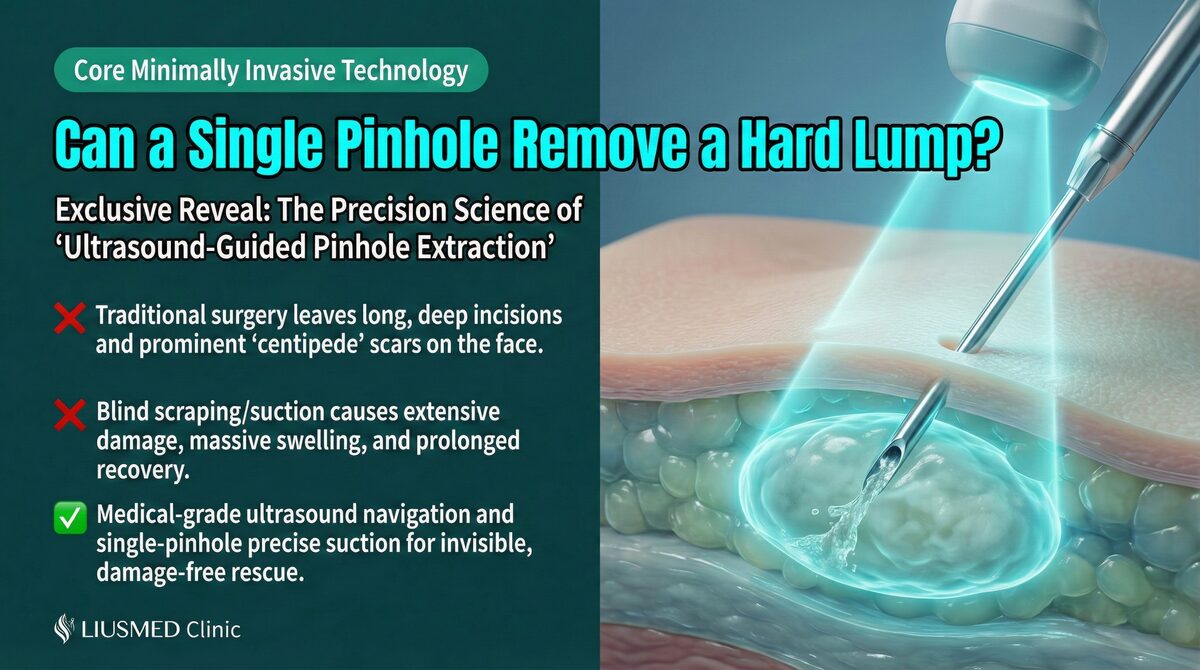
- Precise assessment: Ultrasound (Ultrasonography) confirms exact filler location and extent, avoiding over-extraction
- Selective extraction: Remove only problematic filler, retain correctly positioned, complication-free portions
- Staged extraction: For extensive areas, extract over multiple sessions to allow tissue adaptation
Intra-Operative Strategies
- Preserve normal tissue: Minimally invasive technique maximizes preservation of surrounding tissue structure
- Layer protection: Avoid disrupting natural tissue layers
- Vascular protection: Maintain local blood circulation to promote post-operative tissue health
Post-Operative Strategies
- Appropriate compression: Post-operative compression to reduce dead space formation
- Promote circulation: Post-operative care to enhance tissue repair
- Regular follow-up: Ultrasound monitoring of tissue recovery
Why FILLER REVISION Patients Experience Less Hollowing Than Expected
Many patients who come to FILLER REVISION worried about severe post-extraction hollowing end up with less hollowing than they feared, though results vary. There are three reasons for this. First, our selective extraction approach removes only problematic filler — correctly positioned material that is not causing issues can be safely retained, maintaining useful volume. Second, our tissue-preserving technique aims to disturb the surrounding tissue architecture as little as possible, so more of the natural scaffolding that supports facial contour is preserved. Third, our staged extraction strategy for extensive cases allows tissue to gradually adapt between sessions, promoting natural tissue compensation rather than sudden volume loss. This combination of selective removal, structural preservation, and staged planning is aimed at keeping unnecessary hollowing to a minimum.
Special Scenario Discussions
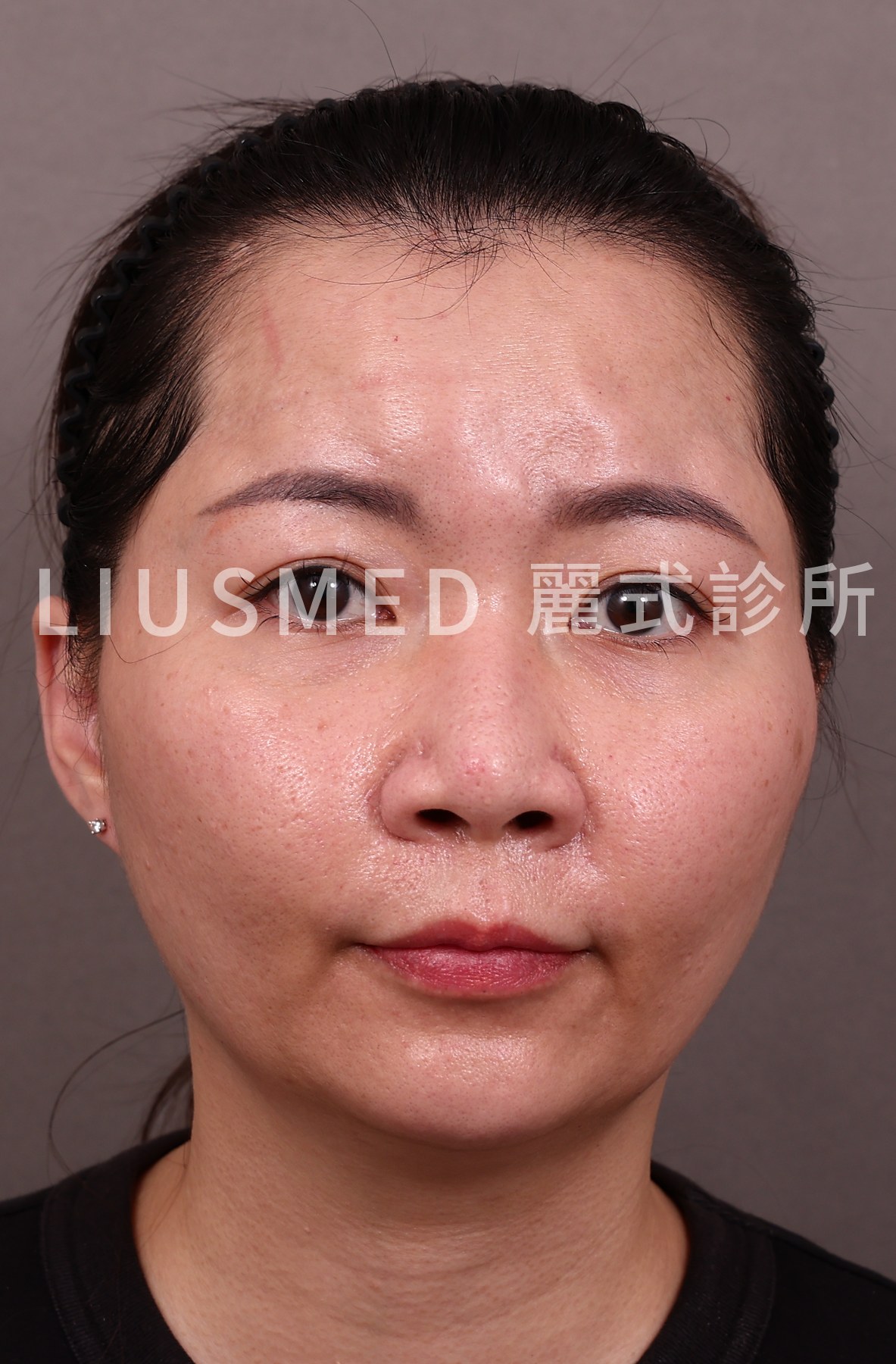
After Large-Volume Filler Removal
When large volumes must be removed (e.g., "pillow face" from overfilling), hollowing risk is higher. However:
- An overfilled face typically returns to a state closer to natural after extraction
- "Appearing hollow" may simply reflect having become accustomed to an overfilled appearance
- Friends and family may feel the face "looks more natural now"
For more on overfilling correction, see Pillow Face Correction.
Areas with Existing Fibrosis
If filler has caused significant fibrosis, the post-extraction situation is special:
- Fibrous tissue itself has volume
- After filler removal, fibrous tissue does not disappear immediately
- Over time, fibrous tissue is gradually reabsorbed and remodeled
- The final degree of hollowing may be milder than expected
The Importance of the Evaluation Process
Before deciding to remove filler, a complete pre-operative assessment is essential. This includes:
- Filler type, location, and extent
- Expected volume changes
- Patient's psychological preparation for appearance changes
- Whether secondary reconstruction should be planned
- Timing and method of secondary reconstruction
For detailed evaluation process, see Filler Repair Evaluation Process.
Conclusion: Extraction Is Not the End, But the Beginning of Restoration
Post-extraction volume change is many patients' greatest concern, but with appropriate planning and technical support, most situations are manageable. The key points are:
- Set realistic expectations: Understand the possible range of post-extraction changes
- Give tissue time: Do not rush to fill immediately after extraction
- Choose appropriate reconstruction: Select the best option based on individual needs
- Continue follow-up: Regularly assess tissue recovery
At FILLER REVISION, we address volume loss concerns before surgery even begins — with detailed ultrasound-based predictions of post-extraction changes and clear reconstruction timelines when needed. Do not let fear of hollowing keep you living with problematic filler.
Frequently Asked Questions
Will my face definitely look hollow after my filler is removed?
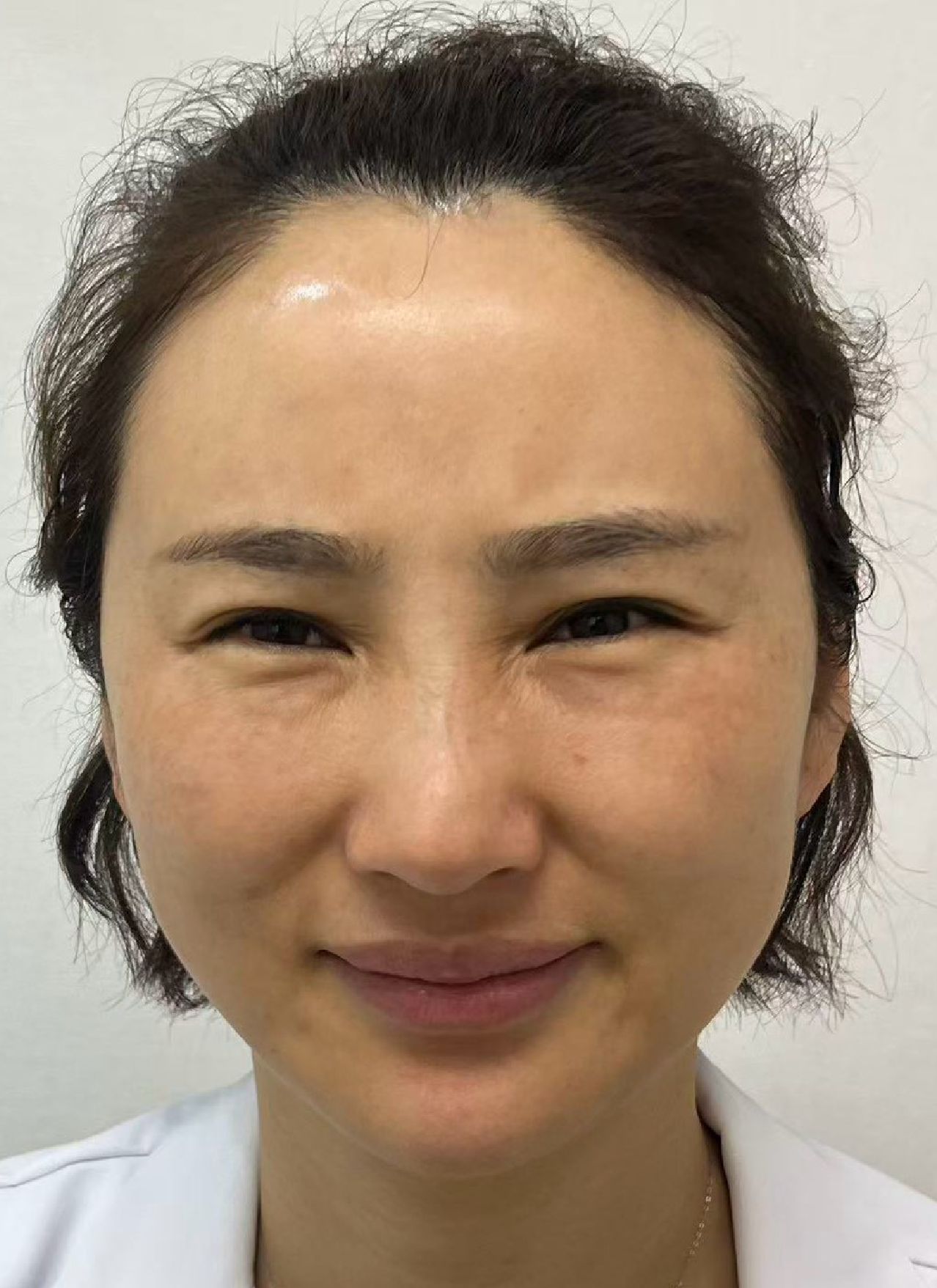
Not necessarily. Whether noticeable hollowing occurs is not a simple equation of 'filler volume removed equals volume lost' — it depends on the interaction of multiple factors, including the filler type, how long ago it was injected, whether tissue fibrosis developed, and your skin elasticity. After filler has been present for a period of time, structural changes have already occurred locally, and these can affect the final appearance favorably.
Do all fillers cause the same amount of volume loss when removed?
No. The volume change differs by material. Hyaluronic acid tends to show an immediate notable decrease, while collagen-stimulating fillers such as Sculptra and Ellansé leave behind native collagen that provides natural tissue compensation, so the volume loss after extraction is less visible. Long-standing and small-volume injections also tend to produce less noticeable hollowing than recent, large-volume ones.
How long should I wait before getting volume restored after extraction?
The final result after extraction takes about 3 months, varying from person to person, and your appearance continues to change during this period. For this reason, secondary reconstruction such as fat grafting or HA should wait at least about 3 months, with the exact timing assessed at consultation based on how you have recovered. Rushing to fill immediately after extraction is not recommended.
I was overfilled before — will removal leave my face looking sunken?
For overfilled patients, what feels like post-extraction 'hollowing' often simply represents a return to natural proportions. The sense of looking hollow can come from having become accustomed to an overfilled appearance, and friends or family frequently report that the face actually looks more natural afterward.
If I need volume back, what reconstruction options are there?
There are a few options. Autologous fat grafting is the most commonly recommended — it uses your own fat with no rejection risk, and surviving fat provides permanent volume. Hyaluronic acid is a dissolvable, predictable short-term solution that typically lasts 6 to 18 months and can serve as a transitional option. Some patients also choose no reconstruction at all, when the natural tissue rebound after extraction is sufficient for them.
How does FILLER REVISION reduce unnecessary volume loss during removal?
The approach centers on selective extraction — removing only the problematic filler while retaining correctly positioned, complication-free material — so useful volume is preserved. Ultrasound is used beforehand to confirm the exact filler location and extent, helping avoid over-extraction, and a tissue-preserving, minimally invasive technique keeps the surrounding tissue architecture intact. For extensive cases, extraction can be staged over multiple sessions to let tissue adapt gradually.