The Hidden Cost Behind the "Quick and Easy" Promise
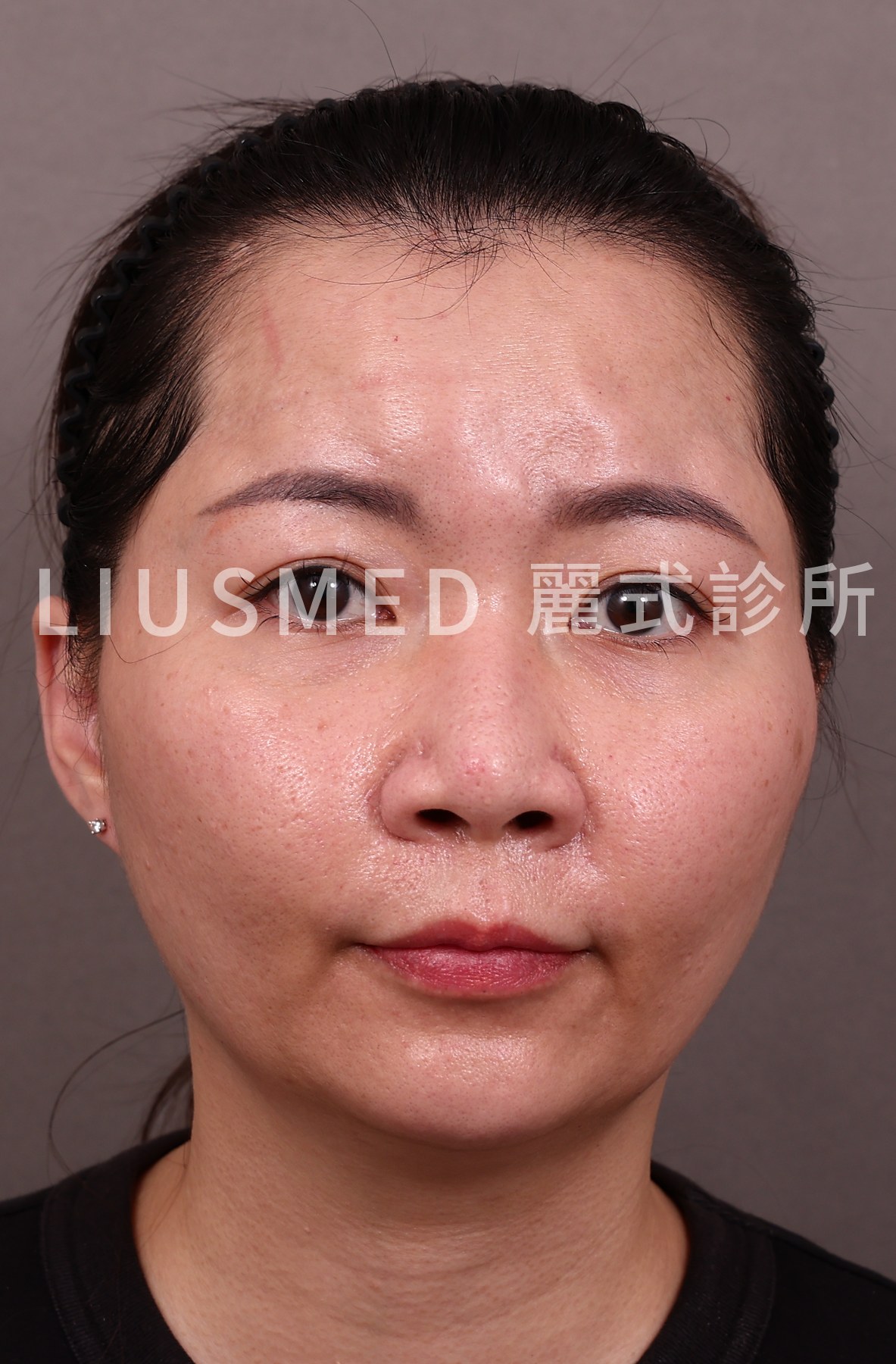
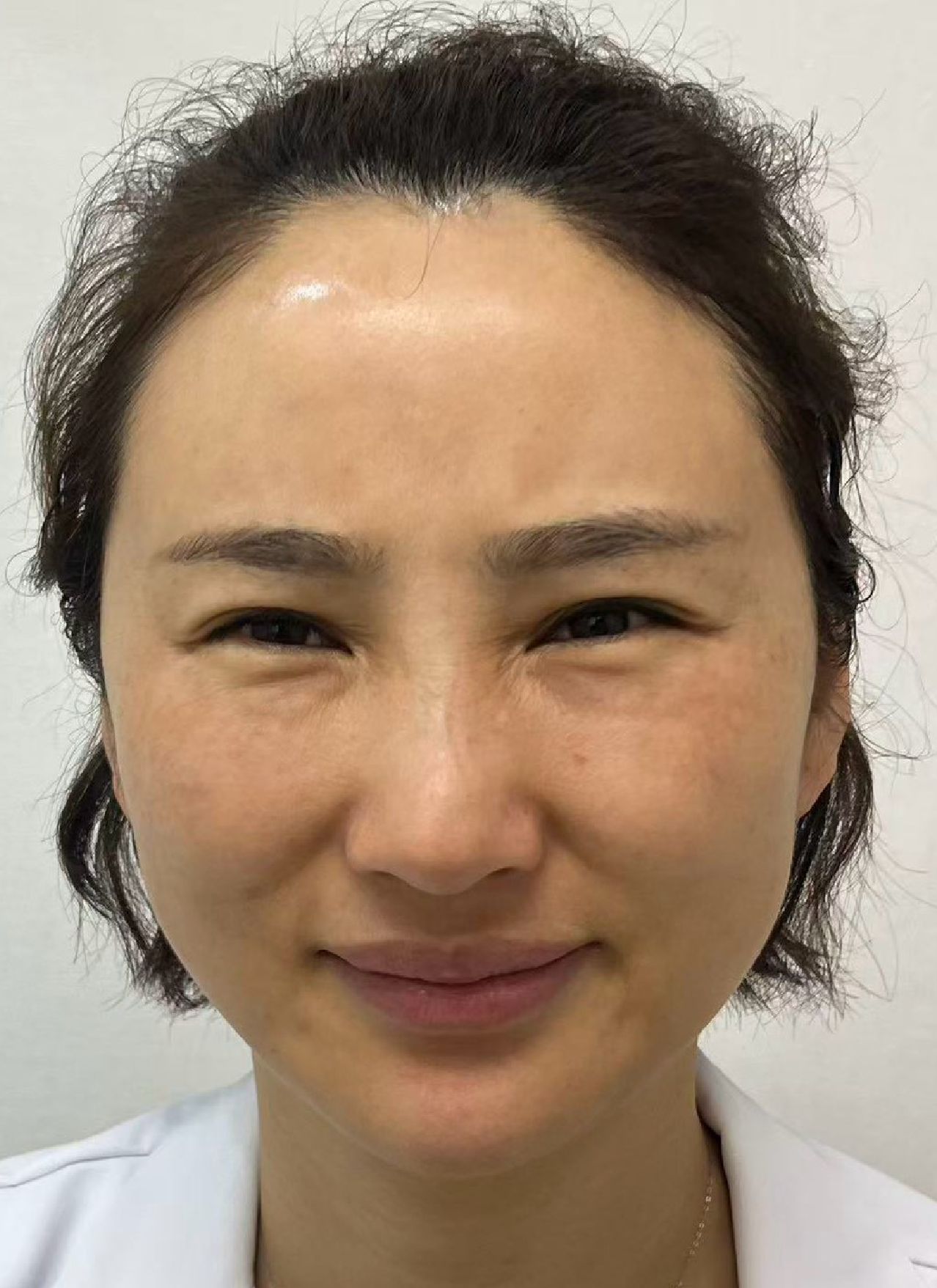
"I was told it was a simple fat-dissolving treatment — now I have dents in my jawline and lumps that won't go away." At FILLER REVISION, we see lipolysis damage cases that have proved hard to manage, because the damage is fundamentally different from filler problems: there is no foreign material to remove. The tissue itself has been destroyed.
The fundamental problem with chemical lipolysis is that its action is not precise. The drug injected into tissue does not selectively destroy only fat cells — it equally affects other tissues in the injection area. At FILLER REVISION, we have found that most lipolysis damage cases involve dosage too high, injection depth wrong, or drug diffusion exceeding the expected range — and the consequences can be severe.
Common Types of Lipolysis Injection Failure
Tissue Necrosis
This is the most serious complication. When lipolytic drug concentration is too high or is injected into an inappropriate tissue layer, it can cause chemical burns and necrosis of local tissue. The skin surface may develop redness, darkening, and crusting, with severe cases forming deep ulcers.
Uneven Contours
Even without necrosis, uneven fat dissolution creates irregular surface contours. Some areas have excessive fat dissolution creating depressions, while adjacent areas remain unaffected and appear relatively elevated, forming a wavy, irregular surface.
Lumps and Fibrosis
During the tissue repair process following lipolysis, the body may produce an excessive fibrotic response, forming palpable lumps that can persist for months or even years.
Hyperpigmentation
Post-injection inflammatory responses can cause lasting pigmentary changes, particularly noticeable in patients with darker skin tones.
← Swipe to see more →
| Complication Type | Onset Time | Severity | Reversibility |
|---|---|---|---|
| Temporary swelling and pain | Days post-procedure | Mild | Fully reversible |
| Uneven contours | 2-8 weeks later | Moderate | Partially improvable |
| Lumps and fibrosis | 4-12 weeks later | Moderate | Difficult to improve |
| Hyperpigmentation | 2-8 weeks later | Moderate | Slow improvement |
| Tissue necrosis | Days to 2 weeks | Severe | Irreversible |
| Nerve damage | Immediate or days | Severe | Potentially irreversible |
Why Lipolysis Complications Are Particularly Challenging
Key Insight: At FILLER REVISION, we explain to every lipolysis damage patient why their case is uniquely challenging: the damage is chemical, diffuse, and has unclear boundaries. Unlike filler lumps where there is a defined "something" that can be removed, lipolysis damage involves destruction of the tissue itself — fat has been destroyed and cannot be "put back"; fibrosis has formed and cannot be simply "dissolved."
Compared to filler complications, lipolysis damage repair faces unique challenges:
- No "material" to remove: The problem is not that something needs to come out—it is that the tissue itself has been destroyed
- Irregular damage pattern: Drug diffusion range is unpredictable, and the damage zone is typically irregular
- Multi-layer damage: May simultaneously affect the fat layer, dermal layer, and vasculature
- Limited repair options: Cannot simply "extract" the problem as with fillers
The Role of Ultrasound (Ultrasonography) in Lipolysis Damage Assessment
While ultrasound cannot "treat" lipolysis damage itself, it plays an indispensable role in assessment and repair planning:
Precise Damage Assessment
- Fat layer integrity: Evaluates remaining fat distribution and thickness
- Fibrosis extent: Determines lump range and depth
- Tissue layer delineation: Confirms the condition of each tissue layer
- Vascular supply: Assesses whether local blood circulation is compromised
Guiding Repair Strategy
Ultrasound assessment results directly influence repair strategy selection:
← Swipe to see more →
| Assessment Finding | Repair Direction |
|---|---|
| Localized fat deficit with normal surrounding tissue | Autologous fat grafting to fill |
| Extensive fibrosis with fat deficit | Address fibrosis first, then consider filling |
| Superficial depression with intact deep tissue | Micro-volume fat or PRP (Platelet-Rich Plasma) repair |
| Multiple scattered depressions | Multi-point small-volume injection strategy |
| Residual lipolytic drug deposits | Ultrasound-guided removal before repair |
Repair Approach: From Assessment to Execution
Step 1: Complete Ultrasound Evaluation
Before any repair treatment begins, a comprehensive ultrasound scan must establish a complete damage "map," including:
- Precise location and depth of depressed areas
- Distribution of fibrotic tissue
- Status of remaining healthy fat
- Integrity of surrounding critical structures
Step 2: Personalized Repair Plan
Based on assessment results, possible repair approaches include:
Autologous Fat Graft Repair
- Suitable for significant volume deficits
- Fat harvested from the abdomen or thigh
- Precisely injected into deficit areas under ultrasound guidance
- May require 2-3 treatments for optimal results
Fibrosis Management
- For fibrotic lumps that impede repair
- Precision treatment under ultrasound guidance
- Creates an appropriate tissue environment for subsequent filling
Combined Repair Strategy
- Most patients require a combination of treatments
- Staged approach with recovery intervals between phases
- Ultrasound tracking of repair progress throughout
Key Insight: There are no shortcuts to repairing lipolysis damage. It requires precise assessment, a personalized plan, staged treatment, and adequate patience. Promises of "one-session resolution" are typically unrealistic expectations.
The FILLER REVISION Approach: When Standard Repair Falls Short
Lipolysis damage repair is one of the most complex challenges in aesthetic revision, and at FILLER REVISION we approach it differently from clinics that simply offer "more filler to fill the dents." Our protocol begins with comprehensive ultrasound mapping of the damage — measuring remaining fat layer thickness, identifying fibrotic zones, and assessing vascular integrity. This detailed imaging prevents the common mistake of injecting volume into fibrotic tissue where it cannot integrate properly. For patients with significant fibrosis, we address the scar tissue first before planning any volume restoration. This staged, ultrasound-guided approach produces more predictable and natural-looking results than the "fill everything at once" methods that frequently lead to further disappointment.
Prevention Over Repair: Considerations Before Lipolysis
While this article focuses primarily on repair, the best strategy is always prevention:
- Choose accredited medical facilities and qualified practitioners
- Confirm that the lipolytic agent used is a legally approved product
- Understand the treatment's limitations and possible complications
- Avoid being lured by low prices or over-promising treatments
- Confirm whether the practitioner is equipped to manage complications
What to Do Next If You Are Facing Lipolysis Damage
If you are experiencing irregular contours, lumps, or other complications after lipolysis injections, we recommend:
- Discontinue any further lipolysis treatments
- Document a timeline of symptoms and changes
- Consult a specialist with ultrasound evaluation capabilities
- Do not rush into quick-fix solutions—some issues need time to stabilize before optimal treatment can be planned
For more information on pillow face correction, see: The Path to Pillow Face Correction. If your problem involves filler lumps, also see: Filler Lump Extraction Technique Explained.
Schedule a consultation for a complete ultrasound evaluation so we can develop the most appropriate repair plan for you.
Conclusion
If you are living with uneven contours, lumps, or tissue damage after fat-dissolving injections, FILLER REVISION specializes in the precise assessment and staged repair these cases demand. Our ultrasound-guided approach maps the full extent of damage before any repair begins — because lipolysis complications require planning, not guesswork.
If previous repair attempts have fallen short, book a consultation → and let us develop a repair strategy based on what we can actually see.
Frequently Asked Questions
Why is repairing lipolysis injection damage harder than fixing a filler problem?
With a filler complication there is a defined foreign material that can be removed, but lipolysis damage is fundamentally different: the tissue itself has been chemically destroyed, so there is no material to extract. Fat that has been destroyed cannot simply be put back, and fibrosis that has formed cannot simply be dissolved. The damage is also chemical, diffuse, and has unclear boundaries, which makes it uniquely challenging to repair.
Can the dents just be filled with more injections to fix them?
Injecting volume directly into fibrotic tissue without prior assessment leads to poor integration, so simply adding more filler to the dents is a common mistake. Ultrasound mapping is needed first to measure the remaining fat layer, identify fibrotic zones, and check vascular integrity. For patients with significant fibrosis, the scar tissue is addressed first before any volume restoration is planned. This staged, ultrasound-guided approach tends to give more predictable and natural-looking results than filling everything at once.
What does ultrasound actually do for lipolysis damage — does it treat it?
Ultrasound cannot treat the lipolysis damage itself, but it plays an indispensable role in assessment and repair planning. It evaluates the remaining fat distribution and thickness, determines the range and depth of fibrotic lumps, confirms the condition of each tissue layer, and assesses whether local blood circulation is compromised. These findings directly influence which repair strategy is chosen, which is why a complete ultrasound scan is done before any repair begins.
Can lipolysis damage be fixed in a single session?
There are no shortcuts to repairing lipolysis damage, and promises of one-session resolution are typically unrealistic expectations. Repair usually requires a staged approach — addressing fibrosis first, then restoring volume with autologous fat grafting — often over 2–3 treatment sessions with recovery intervals in between. It takes precise assessment, a personalized plan, staged treatment, and adequate patience. Ultrasound is used to track repair progress throughout.
I have lumps and uneven contours after fat-dissolving injections — what should I do next?
If you are experiencing irregular contours, lumps, or other complications after lipolysis injections, the recommended steps are to discontinue any further lipolysis treatments and document a timeline of your symptoms and changes. Then consult a specialist who has ultrasound evaluation capabilities. Do not rush into quick-fix solutions, because some issues need time to stabilize before optimal treatment can be planned.