Oil Cysts After Fat Transfer
FOS 30-60★★★☆☆Revision DifficultyDead fat cells rupture and release lipids that pool into fluid-filled cysts under the skin. Feels like sliding, squishy lumps that may persist for years.

Why It Happens
Bolus injection (too much fat in one spot) causes core cells to die from insufficient blood supply. Lipids pool and become encapsulated in fibrous tissue, forming oil cysts.
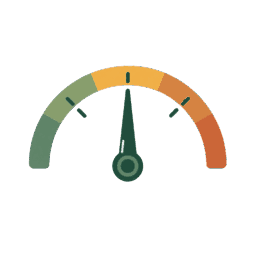
Severity
Moderate. FOS 30-60.

Treatment Solutions
Ultrasound-guided puncture, drainage, and capsule wall removal to prevent recurrence.

Why Traditional Treatment Fails
Waiting doesn't help — cysts persist indefinitely. Aspiration alone fails because the capsule wall reforms and refills. Steroid injection only risks tissue atrophy around the cyst.

The Liusmed Approach
Ultrasound pinpoints the cyst location and distinguishes it from healthy fat. Through a micro-pinhole, the cyst is punctured, contents drained, and the fibrous capsule wall is scraped out to prevent reformation.
Dr. Liu's Perspective
"Oil cysts are like water balloons trapped in your face. You can poke them and drain the fluid, but if you leave the balloon wall intact, it fills right back up. We remove the wall."

Recovery Timeline
The pinhole is small, but this is an extraction, so swelling and bruising are expected. Swelling and bruising usually settle in about 2–3 weeks, the pinhole heals in about 2 weeks, and the final result takes about 3 months, varying from person to person.
Related Conditions
Related Symptoms
FAQ
Can oil cysts become cancerous?
Oil cysts themselves are benign, but they can be confused with other masses on imaging. Proper ultrasound evaluation is important to confirm the diagnosis. They do not transform into cancer.
Real patient questions
Questions from the patient Q&A forum, answered by Dr. Liu.
Ask your own question in the forumReferences
- Coleman SR. Clin Plast Surg. 2001;28(1):111-119
- Khouri RK, et al. Plast Reconstr Surg. 2014;133(6):1369-1377
This information is for educational purposes only and does not constitute medical diagnosis. Please consult a qualified physician for proper evaluation.

Read next: how we actually handle it
Case-by-case decisions, written by Dr. Ta-Ju Liu
Failed Fat Grafting Revision: Telling Grafted Fat from Native Tissue Before Extraction
An ultrasound-guided technique tackles the hardest fat grafting problem: telling grafted fat from native tissue for precise extraction without damage.
Fat Graft Calcification: Why Hard Lumps Form After 'Natural' Fat Transfer
Why fat grafting can lead to calcification and hard lumps when grafted fat fails to survive, and why these complications have no pharmaceutical solution.
AlloDerm Hardening & Fat Graft Calcification: FILLER REVISION Extraction Guide
AlloDerm hardening or fat graft calcification won't resolve on its own? FILLER REVISION offers ultrasound-guided extraction for biological filler complications.
Fat Transfer to Face Gone Wrong? Pillow Face Correction & Botched Fat Grafting Repair
Fat transfer to the face gone wrong? How pillow face happens, why dissolving can't fix overfilled fat, and how minimally invasive removal restores contour.