Why Is Follow-Up Ultrasound (Ultrasonography) Necessary?
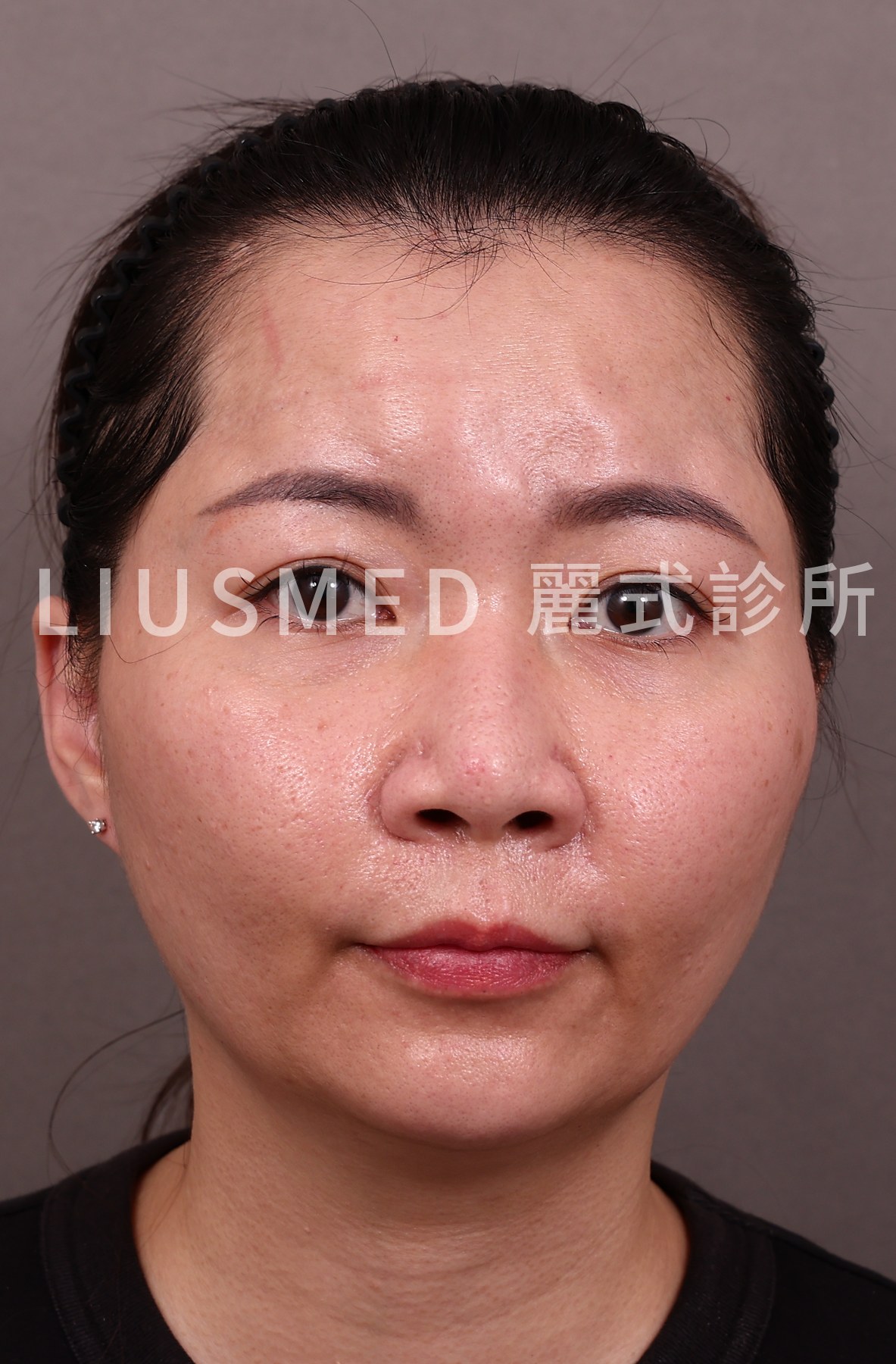
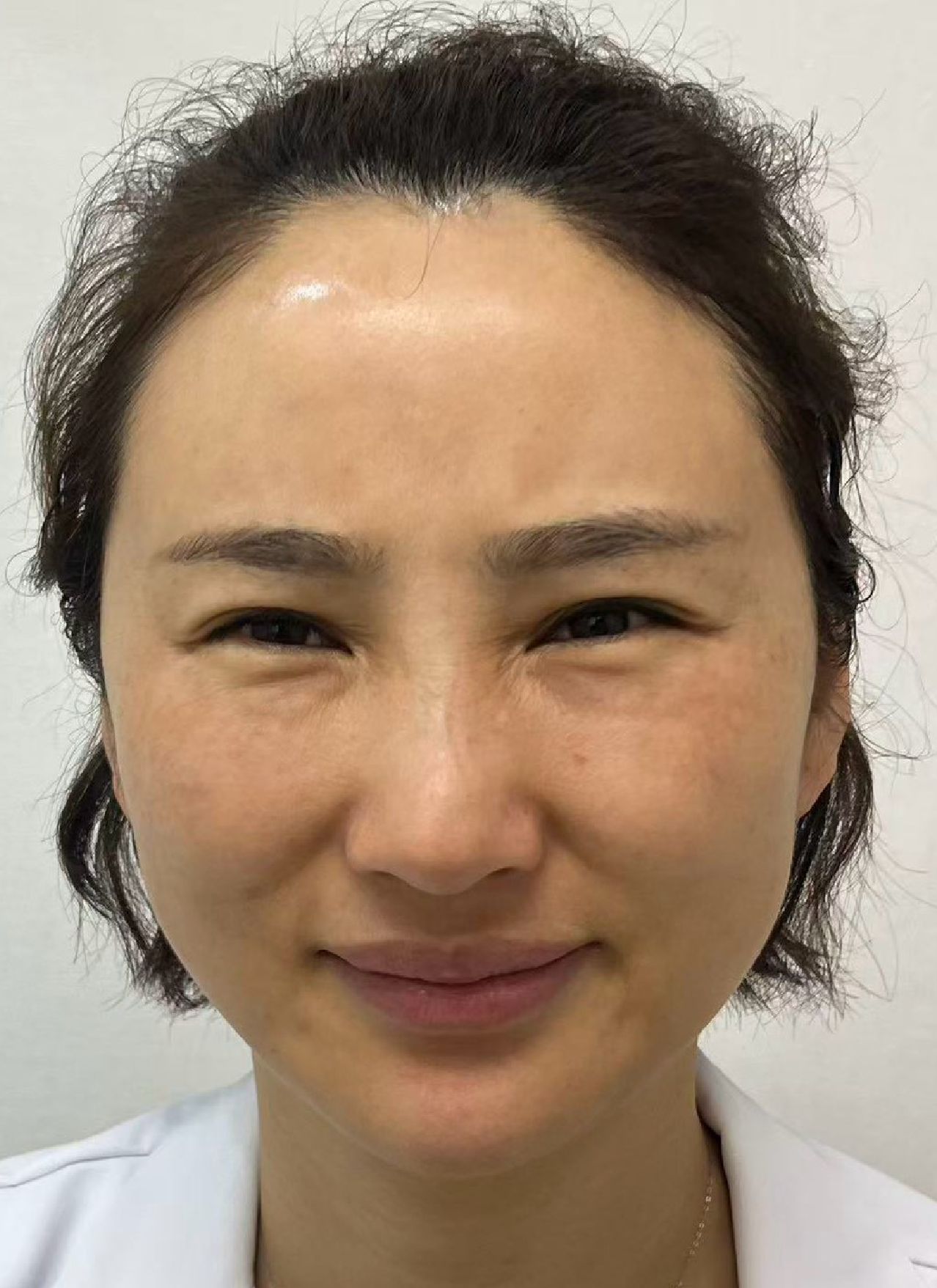
"The swelling is going down and I think it looks better, but how do I really know everything was removed?" After revision surgery, this question comes up in almost every follow-up conversation. Recovery after filler revision has special considerations — your tissue has been through both the original filler and its extraction, and only imaging can tell the full story beneath the surface.
After filler extraction surgery, visual inspection and palpation can only assess so much. Follow-up ultrasound provides an objective, non-invasive way to "see" what is happening beneath the surface — checking how the extraction went, whether any filler remains, and how tissue recovery is progressing.
What Can Follow-Up Ultrasound Reveal?
← Swipe to see more →
| Assessment Item | Details | Importance |
|---|---|---|
| Residual filler | Confirms whether any filler remains | Determines need for additional removal |
| Tissue healing | Monitors tissue remodeling progress | Assesses whether recovery is on track |
| Inflammatory activity | Detects ongoing inflammation | Early treatment prevents complications |
| Hematoma/fluid collection | Checks for post-op blood or fluid accumulation | May require drainage |
| Scar tissue | Evaluates internal scar formation | Affects appearance and texture |
| Surrounding structures | Confirms adjacent tissue integrity | Rules out surgical injury |
Key Insight: At FILLER REVISION, follow-up ultrasound is not just about "checking if it is all gone." It provides a comprehensive tissue status assessment unique to revision patients — helping the physician evaluate how previously compromised tissue is recovering and make the most appropriate recommendations, whether continued observation, additional treatment, or beginning a rebuilding plan.
Follow-Up Ultrasound Schedule
Recommended Timeline
← Swipe to see more →
| Timepoint | Purpose | Priority |
|---|---|---|
| 2 weeks post-op | Initial confirmation of extraction results, rule out hematoma | High (strongly recommended) |
| 1 month post-op | Assess tissue healing progress | High (strongly recommended) |
| 3 months post-op | Confirm tissue stability, evaluate residual material | High (strongly recommended) |
| 6 months post-op | Long-term follow-up, assess need for rebuilding | Medium (as needed) |
| 12 months post-op | Final assessment | Low (as needed) |
When Should You Come In Early?
← Swipe to see more →
| Situation | Recommended Action |
|---|---|
| Swelling continues to worsen | Return for ultrasound as soon as possible |
| New lump detected by touch | Return for evaluation promptly |
| Fever or increasing redness | Seek immediate medical attention |
| Worsening pain | Schedule an early follow-up |
| Unexpected appearance changes | Arrange ultrasound monitoring |
Common Findings on Follow-Up Ultrasound
Normal Post-Operative Findings
← Swipe to see more →
| Finding | Explanation | Treatment Needed? |
|---|---|---|
| Mild tissue edema | Normal post-surgical inflammatory response | No — resolves on its own |
| Small fluid collection | Small amounts of fluid in tissue spaces | Usually self-absorbing |
| Remodeling changes | Imaging appearance of collagen reorganization | Normal healing process |
Findings That Require Attention
← Swipe to see more →
| Finding | Possible Cause | Recommended Action |
|---|---|---|
| Residual filler | Incomplete removal | Evaluate need for re-extraction |
| Hematoma | Post-surgical bleeding | May need drainage |
| Inflammatory activity | Immune response or infection | Medication or intervention |
| Abnormal fibrosis | Excessive scar formation | Evaluate whether treatment needed |
Key Insight: Finding a small amount of residual material on follow-up does not necessarily require immediate intervention. Some trace residual material can be naturally absorbed by the body. The physician will decide whether to intervene based on the amount, location, and patient symptoms.
Recovery Monitoring After Revision: What Makes It Different
Follow-up ultrasound after filler revision serves a fundamentally different purpose than monitoring after a standard cosmetic injection. Revision patients often have tissue that was previously inflamed, fibrosed, or structurally altered by the original filler. This means the ultrasound is not just confirming filler clearance — it is tracking how damaged tissue recovers its architecture over time. At FILLER REVISION, we compare each follow-up scan against both pre-operative images and the patient's baseline tissue state, looking for signs of healthy remodeling versus problematic scar formation. This longitudinal monitoring approach allows early intervention if tissue recovery deviates from the expected course, which is far more common in revision cases than in first-time procedures.
The Follow-Up Ultrasound Process
Our Standard Protocol
← Swipe to see more →
| Step | Details | Duration |
|---|---|---|
| 1. History update | Review recovery experience and any concerns | 5 minutes |
| 2. Visual assessment | Observe and photograph post-op appearance | 5 minutes |
| 3. Ultrasound scan | Systematic scanning of the surgical area | 10-15 minutes |
| 4. Image comparison | Compare with pre-operative images | 5 minutes |
| 5. Results discussion | Explain findings and recommendations to patient | 5-10 minutes |
| 6. Planning next steps | Develop the next phase of care | 5 minutes |
What Should You Prepare?
- Bring pre-operative ultrasound records if available
- Note any questions about your recovery
- Be prepared to discuss future plans (if rebuilding is desired)
- No fasting or special preparation required
Comparison with Other Imaging Tools
← Swipe to see more →
| Tool | Advantages | Limitations | Suitability |
|---|---|---|---|
| Ultrasound | Real-time, no radiation, repeatable, excellent soft tissue visualization | Operator-dependent | Best suited for filler monitoring |
| MRI (Magnetic Resonance Imaging) | High resolution, comprehensive | Expensive, time-consuming, some fillers undetectable | For complex cases |
| CT (Computed Tomography) | Excellent for hard tissue | Radiation, lower soft tissue resolution | Special situations |
| Palpation | Simple and quick | Only assesses superficial layers, highly subjective | Initial screening |
Frequently Asked Questions
Q: Does follow-up ultrasound hurt?
No. Ultrasound is a non-invasive examination; most people feel only the probe gliding gently over the skin with coupling gel.
Q: How often should I have it done?
The basic recommendation is at 2 weeks, 1 month, and 3 months post-op. Beyond that, frequency depends on individual circumstances. The final result takes about 3 months, varying from person to person, and the 3-month scan is part of that assessment.
Q: What if residual filler is found?
There is no need to panic. Your physician will determine the appropriate course of action based on the amount and nature of the residual material — this may mean continued observation, medication, or scheduling a second extraction at the appropriate time.
Q: What does follow-up ultrasound cost?
Costs are explained before treatment. Follow-up ultrasound is an integral part of the complete treatment plan, ensuring you achieve the best possible outcome.
Conclusion: At FILLER REVISION, Follow-Up Is Part of Complete Care
Ultrasound follow-up is not an unnecessary extra step — it is a vital component of successful revision treatment. At FILLER REVISION, every extraction includes a structured follow-up protocol because we understand that recovery after revision surgery has special considerations that demand objective monitoring, not guesswork.
To learn more about ultrasound in filler evaluation, read about ultrasound imaging for filler identification and the repair evaluation process. For comprehensive filler screening, learn about our full-face ultrasound filler audit service.